Ultra-processed foods promote overweight and obesity, particularly abdominal obesity. The mechanisms are now well identified.
Our expert: Angélique Houlbert, dietitian-nutritionist, author of I learn to choose the right foods
The key figures
47.3% overweight or obese French adults
+15% risk of being overweight or obese among people eating more ultra-processed foods
330 calories less per day if you eat unprocessed
Overweight and obesity in France
According to a study published in February 2023 at the initiative of the League Against Obesity and coordinated by researchers from Inserm and Montpellier University Hospital, 47.3% of French adults are obese or overweight. The prevalence of overweight appears stable between 1997 and 2020, with 30% of the French population affected; on the other hand, that of obesity doubled during the same period, going from 8.5% to 17%. The prevalence of severe obesity has increased almost sevenfold.
The causes of obesity and overweight are multiple, with genetic, epigenetic and environmental factors. Among these, the growing consumption of so-called ultra-processed foods (AUT) is increasingly being discussed. TUEs are defined by the NOVA classification as products formulated mainly from ingredients not found in ordinary cooking: additives, synthetic flavors, emulsifiers, hydrogenated fats, refined sugars… “This nutritional composition is caused by the different transformations undergone by the food, such as the elimination of water which increases the shelf life and reduces transport costs but increases the energy density. explains Angélique Houlbert.
During their manufacture, these fake foods undergo physical and chemical processes, such as extrusion, pre-frying or hydrogenation, which destroy their original matrix. “Among the TUEs that we buy every day are industrial sandwich breads, breakfast cereals, pastries, biscuits, industrial sandwiches, soups and instant noodles, processed meats, chicken nuggets purchased at fast food restaurants, and a multitude of prepared meals. These foods provide easily accessible and affordable sources of energy.”
Globally, consumption of AUTs has increased in recent decades, now accounting for 50% to 60% of daily energy intake in some high-income countries. According to a 2021 French study, of the 2111 calories (kcal) that a French adult consumes each day, 31.1% come from AUT.
What science says about the relationship between ultra-processed foods and overweight/obesity
The more TUEs we consume, the more we gain weight
All the epidemiological and clinical data published to date highlight the link between TUE consumption and weight gain, suggesting a cause and effect relationship.
This has for example been shown in Europe. The EPIC study is an ongoing prospective cohort study in 10 European countries: Denmark, France, Germany, Greece, Italy, Netherlands, Norway, Spain, Sweden and the United Kingdom. Between 1992 and 2000, a total of 521,448 men and women were recruited. A recent analysis shows a clear link between TUE consumption and body weight gain over 5 years. This gain is directly linked to the percentage of AUT consumed. “It is interesting to emphasize that this study reveals a 15% higher risk of being overweight or obese in people who were of normal weight at the start of the study, when they consumed more TUEscomments Angélique Houlbert. This suggests that it is possible to stay slim by being vigilant when shopping, so as to choose the healthiest foods in each aisle..”
The more TUEs we consume, the more abdominal fat we accumulate.
In a recent US study that included 9,640 non-pregnant men and women aged 20 to 59, AUT consumption accounted for more than half (55.5%) of daily energy consumption. Compared to the group that consumed the least (less than 39.4% of calories), adults who consumed the most (more than 72.1% of calories) had 60% more total fat, more than twice as much android (abdominal) fat, and 32% more gynoid (buttocks, upper thighs) fat.
How can we explain that TUEs can make you gain weight?
How do TUEs make you gain weight? Angélique Houlbert identifies at least five mechanisms.
1. They are not very filling
“Unlike fresh or minimally processed foods, TUEs have a higher energy density. In addition, these are often soft foods that are not very satisfying, which encourages overconsumption to the extent that satiety signals are disrupted or delayed..” This was shown in a study conducted by researcher Anthony Fardet.
This lack of satiety has direct consequences on the quantity consumed and a study from the University of Bristol clarifies this mechanism. By reanalyzing data from a landmark clinical trial, researchers showed that people fed exclusively unprocessed foods ate 57% more food by volume than those who only consumed TUEs, while still ingesting approximately 330 fewer calories per day. They attribute this phenomenon to a form of “nutritional intelligence”: when faced with raw foods, we would tend to spontaneously favor fruits and vegetables, rich in micronutrients but low in calories. TUEs would block this mechanism by providing both calories and micronutrients.
2. They promote fat storage
“Ultra-processed foods are high in refined carbohydrates and sugars, with a high glycemic index, which can stimulate insulin secretion and increase the volume of adipose tissue cells.. Additionally, high consumption of ultra-processed foods can reduce total energy expenditure because they require less energy to digest. An experimental study showed that post-meal energy expenditure is halved following the consumption of ultra-processed foods, compared to unprocessed foods..”
3. They make you eat more
“These foods combine ingredients that flatter the brain’s reward system, which uses dopamine. We are therefore tempted to overconsume them to stimulate the dopamine circuits.”
4. They alter the intestinal flora
“They can alter the intestinal flora through the presence of additives and sweeteners. These microbiota imbalances can lead to weight gain if consumed regularly.”
5. They contain obesogenic compounds
“Consuming ultra-processed foods can increase exposure to synthetic compounds that migrate from food packaging, such as phthalates and bisphenols. These molecules are endocrine disruptors that are suspected of promoting weight gain, particularly in children and adolescents.”
In practice
“All these ultra-processed foods are manufactured by powerful food companies that focus their marketing on the consumer’s lack of time and the ease and speed of use of their products. says Angélique Houlbert.
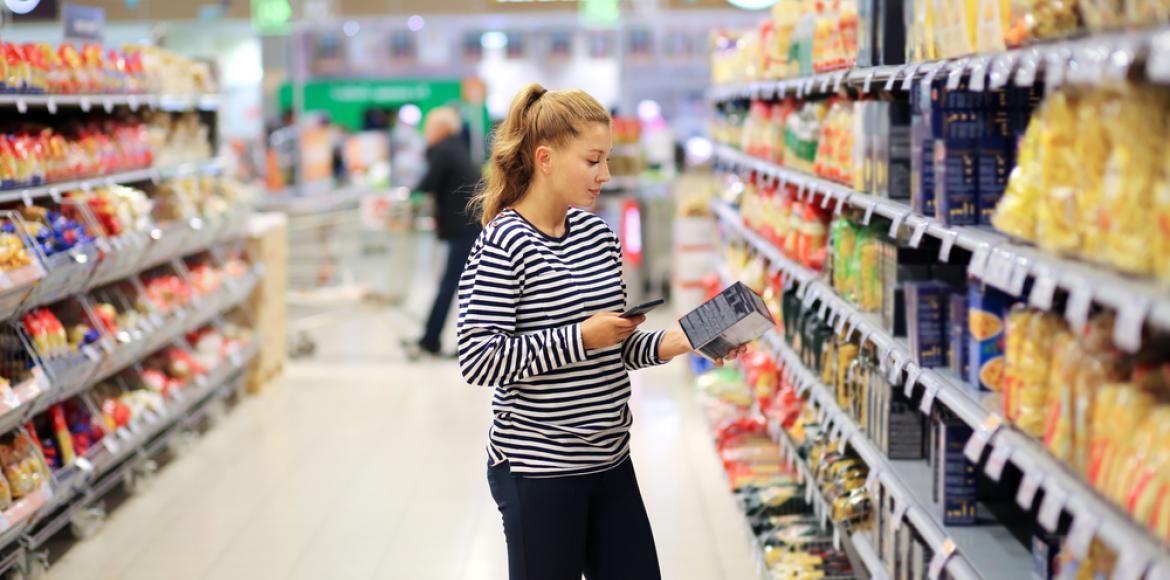
These products are not always well identified by the applications that “flash” the foods, or even by the Nutri-Score. It is therefore essential to learn how to decipher labels. The guide series The right choice from LaNutrition.fr lists the best industrial products department by department. The guide I learn to choose the right foods by Angélique Houlbert is also a practical reference for doing your shopping without making a mistake.
-
Historical
-
Current version
03/23/2026 - on 10/26/2016