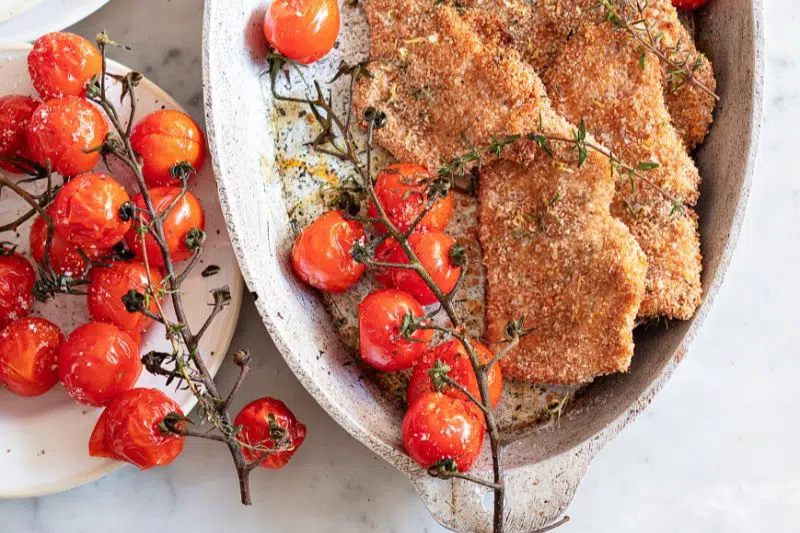
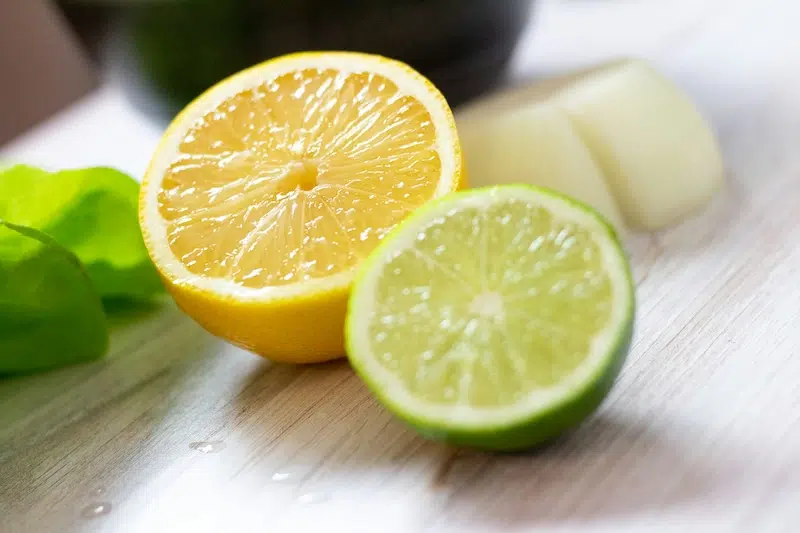
Everything you need to know about lemon, it’s discovering much more than a simple citrus fruit to squeeze on fish or slip into a cake. Yellow lemon, Menton lemon, Meyer lemon, lime, yuzu, kaffir lime, caviar lemon or citron: behind these citrus fruits hides an astonishing diversity of tastes, textures and uses. From the most tangy to the most formal, discover their differences, their tastes, to choose the right variety and know which part to use.
Everything you need to know about lemon
The yellow lemon that we know today is itself the fruit of a history of crossbreeding. INRAE’s work has shown that its genome comes in particular from citron and a citrus fruit related to bitter orange, itself from mandarin and grapefruit. Its exact geographical origin remains debated, but the citron, an important ancestor of many citrus fruits, arrived in the Mediterranean from Mesopotamia in Antiquity.
Its culture then developed around the Mediterranean. In Italy, the lemon tree was particularly established in Liguria then on the southern coasts, before reaching Sicily. In France, the culture developed on the Côte d’Azur, while Menton has preserved a particularly strong tradition. The Menton lemon now benefits from a PGI.
But the history of the lemon does not stop with the yellow lemon. Citrus fruits have a great capacity to hybridize, numerous forms and varieties have emerged over the centuries, giving rise to an aromatic palette that is particularly interesting for cooks.
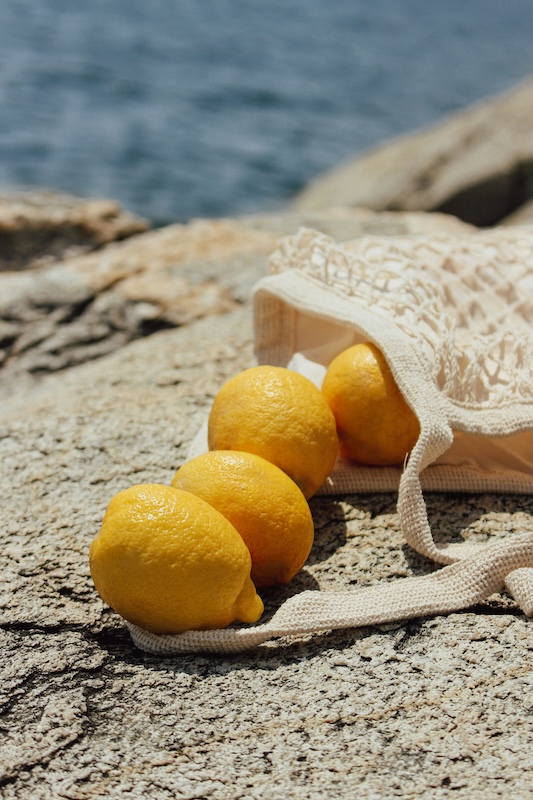
Yellow lemon: the great kitchen classic
It is the one that is most easily found on the shelves and the one that can do almost everything. Its juice is frankly tangy, its skin releases very fragrant essential oils and its zest concentrates a large part of its aromatic character. The yellow lemon is also particularly interesting because you can use almost the entire fruit: juice, zest, lemon, peel depending on the variety and preparation. It adds acidity to a sauce, brightens up fish, balances a fatty preparation, flavors a pastry or gives depth to a vinaigrette.
To cook: a chicken poached with lemon and capers, a fish ceviche, a tart, a cake or even a lemony shrimp risotto.
Menton lemon: the perfume above all
Softer and particularly fragrant, the Menton lemon is emblematic of the Côte d’Azur. Cultivated in Menton for several centuries, it comes from old varieties and is distinguished in particular by its fragrance.
In cooking, it is valuable when you want the lemon to be a real ingredient and not just a touch of acidity. Its zest is particularly worthy of being used in desserts, sauces or savory preparations such as a Pecorino risotto.
To cook: a tart, poultry supremes, a granita, a slow-cooked rabbit or even a lemon cream to enjoy with pancakes.
Meyer lemon: the sweetest and most floral
Recognizable by its orange-yellow skin, the Meyer lemon is a hybrid citrus fruit originating from China. Introduced to the United States at the beginning of the 20th century by the explorer Frank Meyer, it is renowned for its sweeter juice and its scent which evokes both lemon and notes of orange or mandarin.
Less aggressive than the classic lemon, it is particularly attractive in pastries. Its thin and very fragrant skin also allows you to work extensively with the zest.
To cook: a fine Meyer lemon tart, lemon curd, an olive oil and Meyer lemon cake or a fennel, citrus and smoked fish salad.
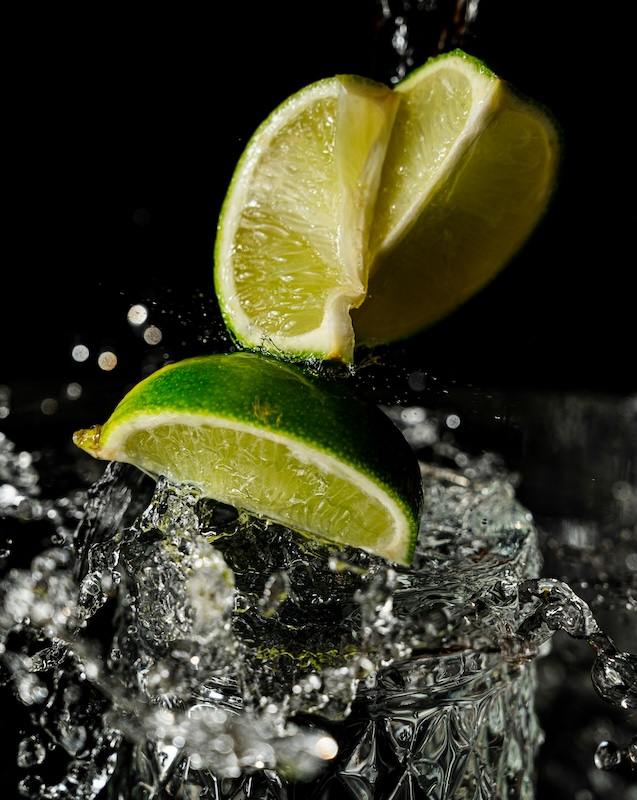
Lime: livelier, more vegetal
The lime, or lime – because it is the fruit of the lime tree – is not a yellow lemon harvested before maturity but another variety. It is generally smaller, very fragrant and particularly tangy. Mexican and Tahitian limes are among the best known.
Its juice is essential in many tropical and Asian cuisines. It immediately adds depth to raw fish, marinades, cocktails and spicy dishes.
To cook: a scallop carpaccio, a cheesecake, tomato jam, guacamole, marinated shrimp, a fish curry or a coconut milk cloud tart.
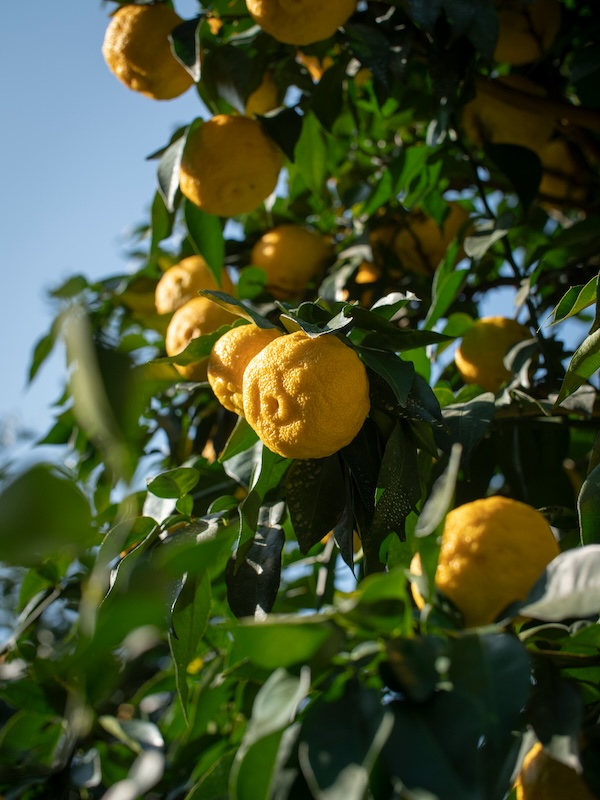
Yuzu: the Japanese citrus fruit with an incomparable scent
Originally from China and very present in Japanese cuisine, yuzu comes from a cross between mandarin and lemon. Its fruit, often irregular, is especially sought after for its very expressive scent, both in the zest and in the juice.
Its acidity is less directly “lemony” than that of yellow lemon. It has a complex, floral and very aromatic scent, which is often enough to transform a preparation.
To cook: a yuzu mayonnaise to accompany fish, a baba without rum, mussels marinated in yuzu, a cheesecake, a scallop tartare with yuzu or a flavored whipped cream for an exotic Pavlova.
Combava: the star zest of Asian cuisine
Combava, also called combawa or kaffir lime, can be recognized by its small size and its particularly lumpy peel. Its pulp is very acidic and quite bitter, while its bark and leaves are extremely aromatic.
In cooking, it is therefore above all the zest that is sought after. A few gratings are enough to flavor a curry, a sauce, a marinade or a dessert.
To cook: a pineapple roasted with butter, coconut and kaffir lime, a salmon carpaccio, a Tom kha kai or even a prik talay sauce to accompany Thai-style oysters.
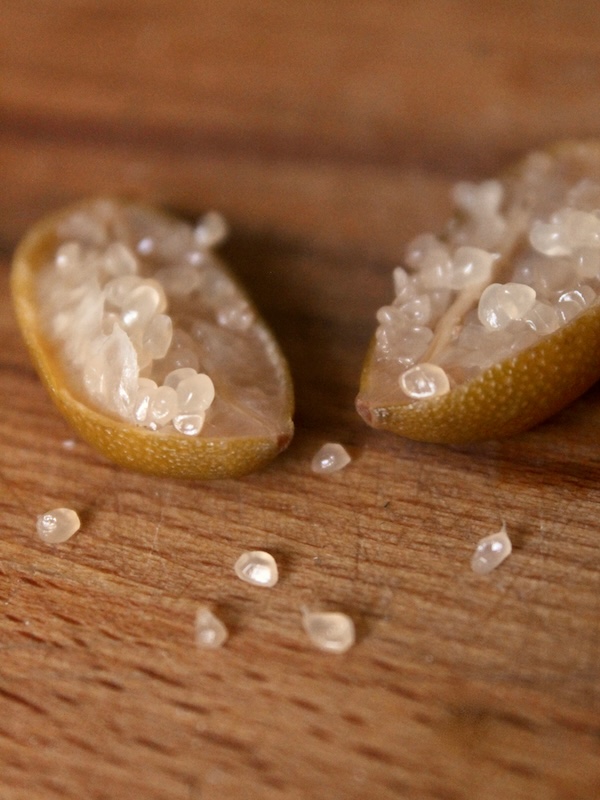
Lemon caviar: little balls full of freshness
Long and thin, the caviar lemon is recognizable by its flesh made up of small crunchy balls that burst in the mouth. Originally from Australian forests, it is appreciated for its texture as much as for its delicate acidity.
It is particularly interesting on plates where we seek to bring both a tangy touch and a visual effect. It goes well with seafood.
To cook: oysters with lemon caviar, a scallop carpaccio with bottarga, a homemade tarama and even a chocolate mi-cuit.
Cédrat: the ancestor who likes candied preparations
Very different from juicier lemons, the citron is a large citrus fruit with a very thick peel. Its pulp, very acidic and bitter, is rarely consumed as is. On the other hand, its bark is precious, especially when candied.
Cultivated for a long time in Corsica, it also remains present in Italy and in several Mediterranean regions.
To cook: in candied citron to slip into a cake or a citron panettone, candied citron peels with chocolate or a citrus salad with citron.

Juice or zest: how to use lemon in cooking?
The juice mainly provides acidity and freshness. It is perfect for marinades, salad dressings, sauces, fish, seafood, vegetables and desserts. It can also be used to limit the browning of certain cut fruits.
The zest is different: it concentrates the aromatic oils of the bark and above all provides perfume. It is valuable in cakes, creams, pastas, risottos, fish or sauces.
A simple rule for cooking with lemon: the juice balances, the zest flavors. Combining them therefore allows you to work on both the acidity and the aromatics. But be careful, when you take the zest, don’t go all the way to the zest, the white and bitter layer that envelops the pulp.
How to choose and store lemons?
A good lemon should be heavy for its size, a sign of good juice content, with a firm skin and no soft spots. For preparations in which the zest is used, it is better to favor fruits whose peel is intended for this use and, ideally, from a suitable culture.
Lemons will keep for several days at room temperature, but the refrigerator allows them to last longer. And above all, do not systematically throw away the peels: when they are well prepared, they can become dried zest, candied peels, flavored sugar or even used to flavor an oil.
An essential in the kitchen
Lemon has a rare quality: it knows how to modify the balance of a dish without necessarily becoming the star. A few drops can brighten up a sauce, lighten a creamy preparation, highlight the sweetness of a fruit or give depth to a fish.
And when we move from yellow lemon to Meyer, from lime to yuzu or from kaffir lime to caviar lemon, we discover that the word “lemon” actually covers a tremendous diversity of aromas, textures and uses.
It is a citrus fruit to always have on hand, therefore, but above all to choose according to what you want to say on the plate.
Cover image © Mikey Frost – Unsplash