
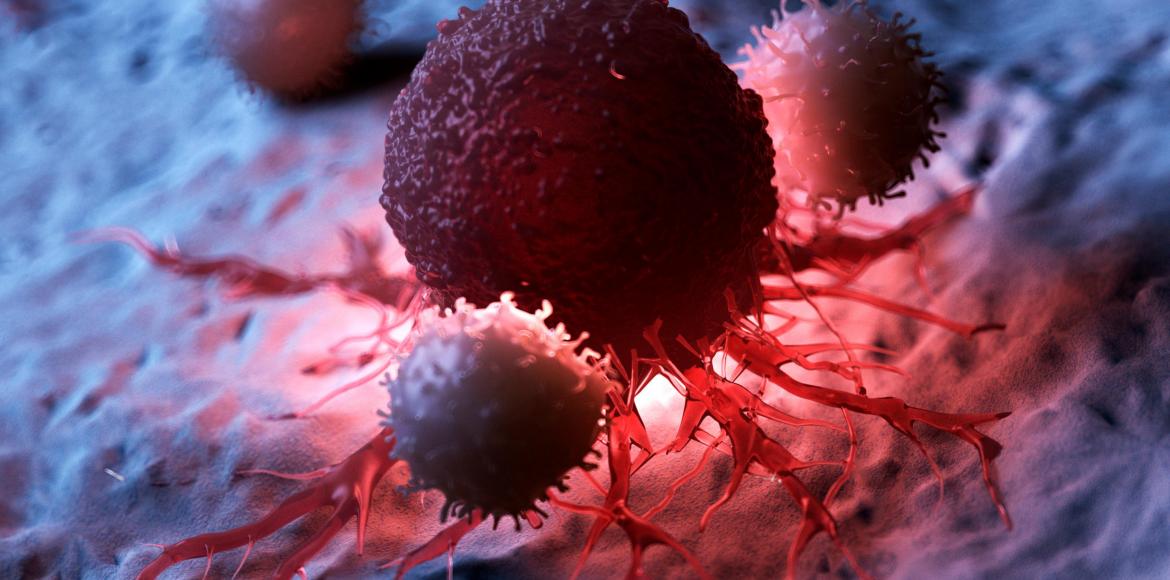
After 100 years, a rare population of immune cells sees its proportion increase. A Japanese team sees in this the trace of an active immune fight against threats, particularly cancerous.
It is perhaps a new piece that explains the longevity of centenarians: the presence of immune cells which would allow them to avoid the multiplication and spread of cancer cells.
Our immune system includes a particular type of cell, cytotoxic CD4 T lymphocytes (CTL), one of whose roles is to eliminate cancer cells.
For this study published in the journal Cell Reportsresearchers analyzed the blood of 28 people aged 70 to 99 years old, 100 to 109 years old or over 110 years old. They then observed an increase in the proportion of cytotoxic CD4 T lymphocytes as the age group increased: their median proportion increased from 4% in those aged 70-99 to 17.6% in those aged 110 and over.
“CD4 cytotoxic T lymphocytes constitute an atypical and relatively rare T lymphocyte populationexplains in a press release Dr Kosuke Hashimoto, lecturer at Osaka University in Japan, and lead author of this study. Their marked increase in supercentenarians could therefore provide important clues about how the immune system is preserved at very old age. »
Clones reminiscent of those of patients
CD4 cytotoxic T lymphocytes (CTL) multiply when the immune system is attacked. By comparing the dominant clones found in centenarians to those in a database, the researchers found many matches with cancer patient profiles. Yet none of the centenarians studied had cancer diagnosed. This clonal expansion could therefore signal an early, potentially protective, immune response to nascent cancer cells. “Some CD4 cytotoxic T lymphocytes could recognize cancer-related targets, although their exact targets remain unknown”explains Dr. Hashimoto.
This does not prove that CTL cells are responsible for the longevity of centenarians, but it does suggest that they have good immune defenses, allowing them to fight effectively against threats.
Other markers of longevity
These immune cells are undoubtedly only part of the secret to the longevity of centenarians. A Swedish study published in 2023 in GeroScienceconducted on 44,000 participants from the AMORIS cohort, compared the blood profiles of people aged over 64. 2.7% of the sample, the vast majority of them women, lived to be 100 years old. Markers associated with a greater probability of reaching 100 years were:
- higher levels of total cholesterol and iron;
- lower levels of glucose, creatinine (kidney health marker), uric acid and liver markers (AST, GGT, ALP, LD).
This means that good metabolic and renal health also accompanies exceptional longevity.
Beyond biological markers, lifestyle remains central. In the “blue zones” (Okinawa, Sardinia, Ikaria, Loma Linda, Nicoya Peninsula), centenarians share a predominantly plant-based and minimally processed diet, daily physical activity and strong social ties – all factors which could, in synergy with these strengthened immune defenses, contribute to a long and healthy life.