Soft, delicately sweet and subtly flavored, butternut squash lends itself to a thousand culinary desires, from the simplest recipes to the most generous combinations. But what do we really know about this squash that has become essential, from its origins to its benefits, including all the ways to enjoy it?
With its pear-shaped silhouette, beige skin and bright orange flesh, butternut squash heralds the return of comfort food. Beneath its rustic appearance hides a tender flesh, delicately sweet, with hints of hazelnut, which lends itself to a multitude of preparations. Star of veloutés and roasted vegetables, it also knows how to be more delicious in a gratin, a risotto or even a cake. Here is everything you need to know about this essential squash for fall and winter cooking.
A squash recognizable among all
Also called butternut squash, butternut squash belongs to the large cucurbit family, which also includes zucchini, melons, pumpkins, pumpkins and many other squashes. Its French name, less used than its English name, refers to the almost buttery softness of its flesh, particularly tender when cooked and then mixed.
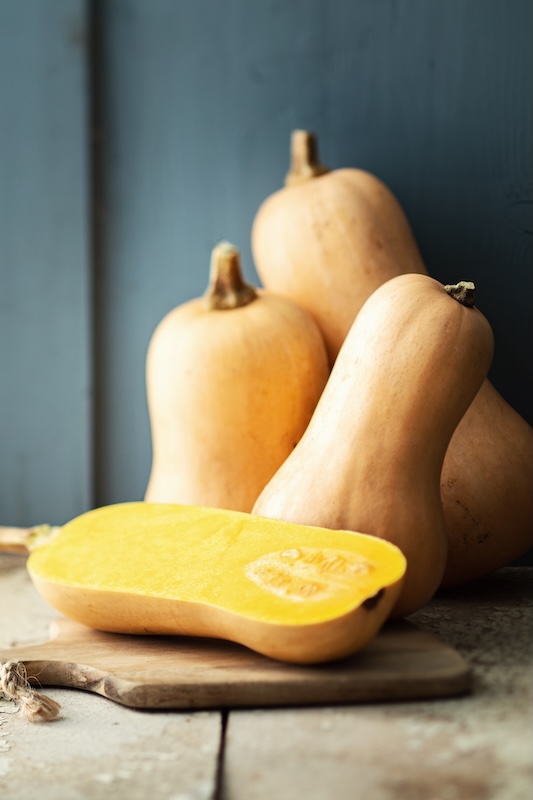
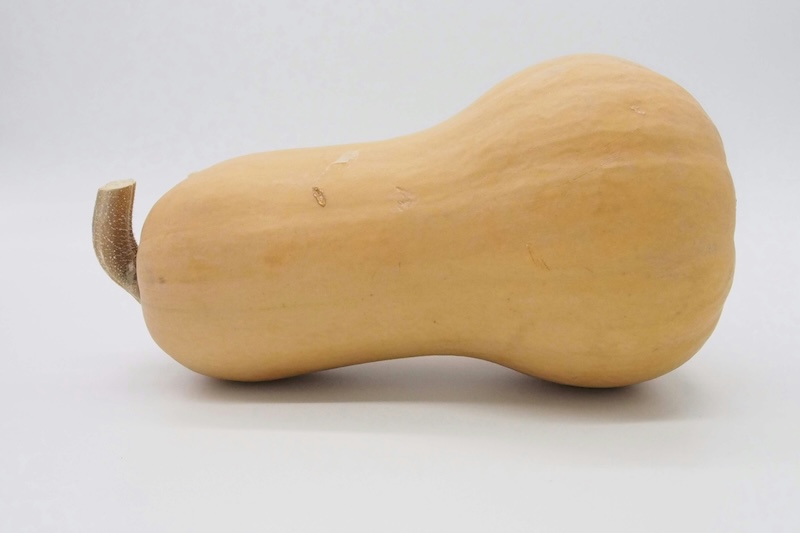
Difficult to confuse it with another variety: the butternut has an elongated shape, reminiscent of a pear or a small club. Its thick skin, creamy beige in color, protects a deep orange flesh, whose sweet and slightly nutty flavor adds all the charm.
Not bulky considering the generosity of its flesh, it offers great versatility in the kitchen. Its texture, which is more tender than that of many other squashes, makes it easier to prepare and allows for variety in cooking and flavor combinations.
A story from the Americas
Long before becoming a regular on French markets, butternut squash was cultivated on the American continent. Its history dates back several millennia: pre-Columbian people particularly appreciated squash for their nourishing flesh and their ability to last long after harvest.
Introduced to Europe by explorers in the 16th century, the butternut gradually found its place in vegetable gardens and kitchens. Over time, it has become one of the most popular winter squashes, thanks to its ease of use, conservation and naturally mild flavor.
Today, it embodies generous and accessible seasonal cuisine. Its orange flesh brings color to dishes, while its delicate taste goes well with simple everyday ingredients as well as more refined products.
When to eat butternut squash?
The butternut squash season mainly runs from fall to winter. It thus accompanies the first frosts, when we rediscover the pleasure of steaming soups, baked vegetables and simmered dishes.
Its long shelf life is another advantage. Stored in a cool, dry and well-ventilated place, protected from humidity, a whole squash can be kept for several months, generally six to ten months in good conditions. Its skin must remain firm: softened areas can signal the beginning of deterioration.
To fully enjoy its flesh, it is better to choose a squash that is intact, firm and without suspicious spots. Once cut, it keeps for a shorter time and must be placed in the refrigerator, in a suitable container.
What are the benefits of butternut squash?
Butternut squash combines pleasure and lightness. Naturally low in calories and slightly sweet, it easily fits into a varied and balanced diet. Its creamy texture makes it possible to prepare gourmet soups and purees without necessarily increasing the fat content.
It also provides fiber, vitamin C and antioxidants. Its fibers contribute to the proper functioning of intestinal transit, while vitamin C contributes to the normal functioning of the immune system and the protection of cells against oxidative stress.
Its beautiful orange color also reveals its richness in beta-carotene, a pigment that the body can transform into vitamin A according to its needs. This vitamin contributes in particular to the maintenance of normal vision and the functioning of the immune system, as well as to the maintenance of normal skin.
To best preserve its nutritional qualities, cooking must be adapted to the desired preparation. Steam allows the flesh to be cooked without immersing it in water, while the oven concentrates its flavors and promotes a melting texture.
How to cook squash?
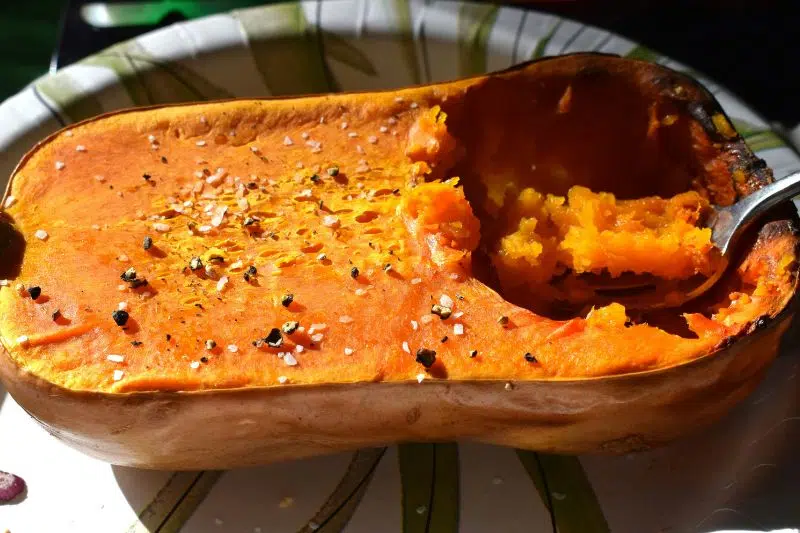
The strength of the butternut lies in its ability to change register depending on the cooking. Steamed or boiled, its flesh becomes tender and lends itself to purees, soups and veloutés. In the oven, it colors slightly, develops its nutty notes and reveals a particularly delicious sweetness. Cut into cubes, it also goes well with gratins, risottos and whole meals.
In velvet, she plays the comfort card. Combined with a few spices, vegetables or a touch of cream, it produces a soft and creamy soup. For a more original version, the Butternut Soup and Peanut Puree combines its roundness with delicately toasted notes. Another land-sea marriage to discover: butternut soup with bouchot mussels.
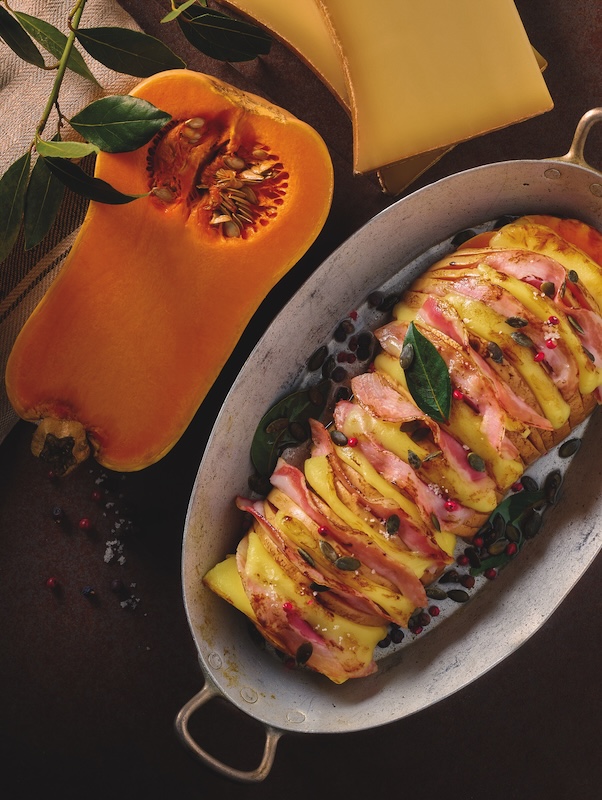
Roasted in the oven, it becomes the star of the plate. Cooking reveals its fondant and gives a slight color to its slices. The recipe for butternut hasselback is a beautiful illustration of this. For a more generous version, the butternut hasselback with beaufort and pancetta combines the sweetness of the squash with the character of the cheese and the salty flavors of the charcuterie.
As a complete dish, it goes well with cereals, dried vegetables and cheeses. The butternut and cancoillotte risotto plays on creaminess, while the lentil and butternut salad with pomegranate offers a colorful combination where the tenderness of the squash meets the freshness and acidity of the fruit. For lovers of gratin dishes, butterflette and butternut cheddar tourtelettes offer particularly delicious interpretations.
In a sweet version, it also has some nice surprises in store. Its soft and chewy flesh lends itself to baking, particularly in butternut cake and its spiced icing, an original way to prolong the flavors of autumn until snack time.
Can you cook all parts of the butternut?
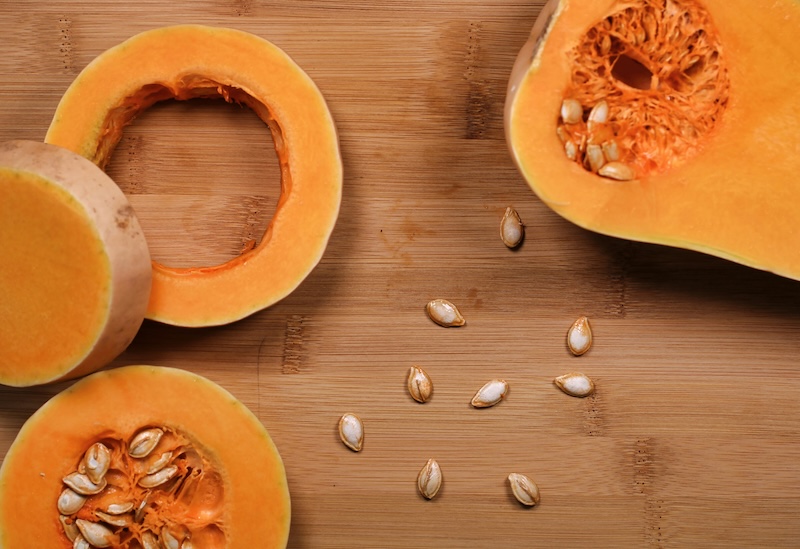
The flesh is the most commonly used part, but other elements can also be valued. As with zucchini, squash blossoms, when available, can be eaten, particularly in salads or stuffed. The seeds can be collected, cleaned then roasted and salted to make a crunchy snack or to enhance a soup.
This approach helps limit waste while increasing the textures on the plate. For the skin, its use depends on the preparation and the variety: it can be left on certain squashes that are well washed and sufficiently tender after cooking, but must be removed if they remain too firm.
Butternut squash, an essential for seasonal cooking
Easy to store, simple to prepare and rich in culinary possibilities, butternut squash has everything you need to get through fall and winter with delight. Its soft flesh lends itself to the simplest recipes as well as more daring combinations, from family velouté to gratin dishes, without forgetting sweet creations.
A generous vegetable, to be varied as desired, to add color and sweetness to seasonal cuisine.
Cover visual © Fr0ggy5 – Unsplash