
Dietitian-nutritionist, Magali Walkowicz has supported numerous patients affected by cancer. She explains why and how to implement a ketogenic diet in addition to treatments.
Cancer cells feed on sugar, and one way to slow their growth is to deprive them of this fuel. Since 2013, Magali Walkowicz has helped hundreds of patients adopt a low-carbohydrate diet, and in particular the strictest one, the ketogenic diet. For her, this diet is not a miracle treatment for cancer, but, if practiced correctly, it can optimize the results of treatments, reduce their side effects and improve mood. She shares her experience in her book Cancer loves sugar.
LaNutrition: Which patients can implement a ketogenic diet? At what stage of the illness? What can we expect from it?
Magali Walkowicz: All except those suffering from leukemia and as soon as the illness is announced if possible. But it’s never too late to start it. We can expect a lot of things: better tolerated treatments, which even seem boosted, better energy, good nutritional status, because the patient eats exactly what his body needs. Nothing is left to chance with the diet.
Read: Cancer: 8 questions about the ketogenic diet (subscribers)
Do you think that mentalities have evolved in recent years regarding the ketogenic diet?
On the part of patients, yes, mentalities have evolved significantly. Patients are increasingly informed, they are increasingly taking charge, making informed choices for their health and implementing alternative therapeutic solutions of their own accord. They are no longer passive in front of doctors, they question them, confront them with research data. Their questions are not always well received but that doesn’t matter. This little rebellion is rather good news because certain ideas need to be dusted off. And this is how things will move.
Should the ketogenic diet be adapted depending on the type of cancer? Are there any contraindications?
Yes, it must be adapted to the type of cancer, the nutritional profile, the blood test. Contraindications are rare. An example: we do not implement the diet if the bile ducts are blocked.
By following a ketogenic diet, don’t we risk depriving ourselves of the benefits of fruits and vegetables?
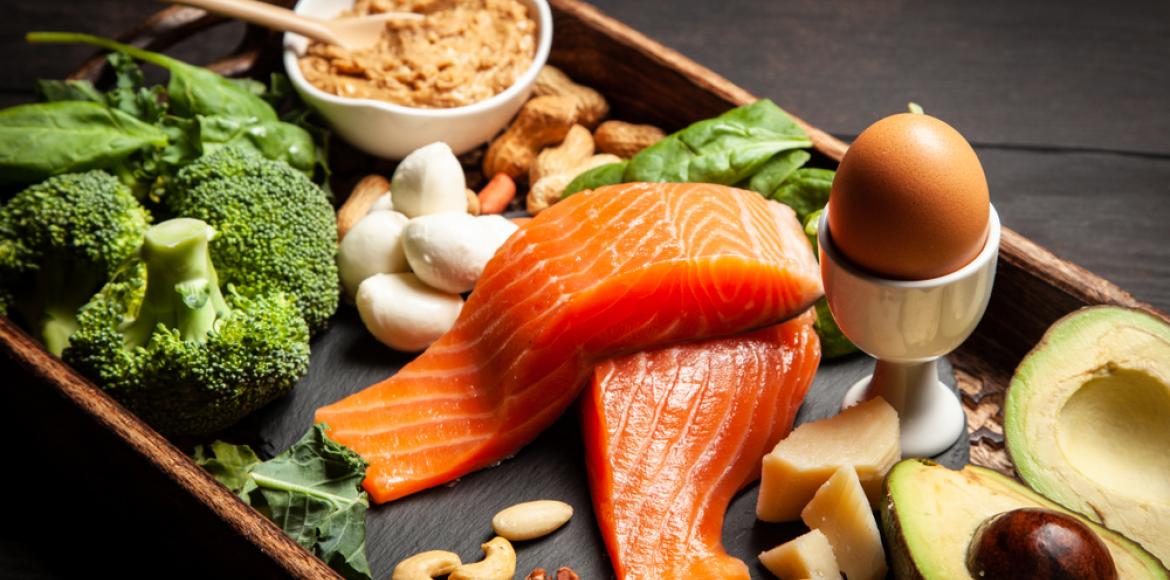
Fruits are rare in the diet but it doesn’t matter. The vitamins and minerals in fruits are the same as those in vegetables. And vegetables are present even if they are rationed. Vitamins and minerals are present in other keto foods: in meat, fish, eggs, avocado, oilseeds and nuts, oil, etc. Very often patients ingest more vitamins and minerals through these foods than when they followed a classic diet because every food that makes up the diet is chosen carefully. I can assure you that I ensure that my patients lack nothing. Fiber is found in seeds and nuts, vegetables, and if necessary we supplement with psyllium for example.
But with a ketogenic diet, don’t we risk eating too much red meat, known to be carcinogenic and acidifying?
It is a mistake to believe that red meat is omnipresent in this diet. You can follow a ketogenic diet without eating a single gram. A vegetarian ketogenic diet is even possible. I wrote a book about it: 30 keto vegetarian dishes. The proportion of protein (found in large quantities in meat, fish, eggs in a classic ketogenic diet) is not more important than in a classic diet. Eating ketogenic does not lead to overconsumption. On the contrary, the contribution is finely calculated according to needs. When I implement a ketogenic diet, I am very careful to ensure that the diet does not acidify the body. I insist to my patients that they monitor their pH (which generally does not drop with diet – acidity is often linked to the presence of metastases) and we do everything necessary to combat it. I talk about it in the book.
What food supplements can you recommend alongside?
There are many and it is determined on a case by case basis. I gave a lot of information about this in the book. Only one thing in common: I give magnesium to all my patients because at the start of the diet there is a magnesium leak.
To find out more, read: Cancer loves sugar
-
Historical
-
Current version
07/11/2024 - 12/14/2023
- on 06/20/2023
- on 06/09/2023