In France, 41% of adults eat too much sugar. Here are our tips for eating less.
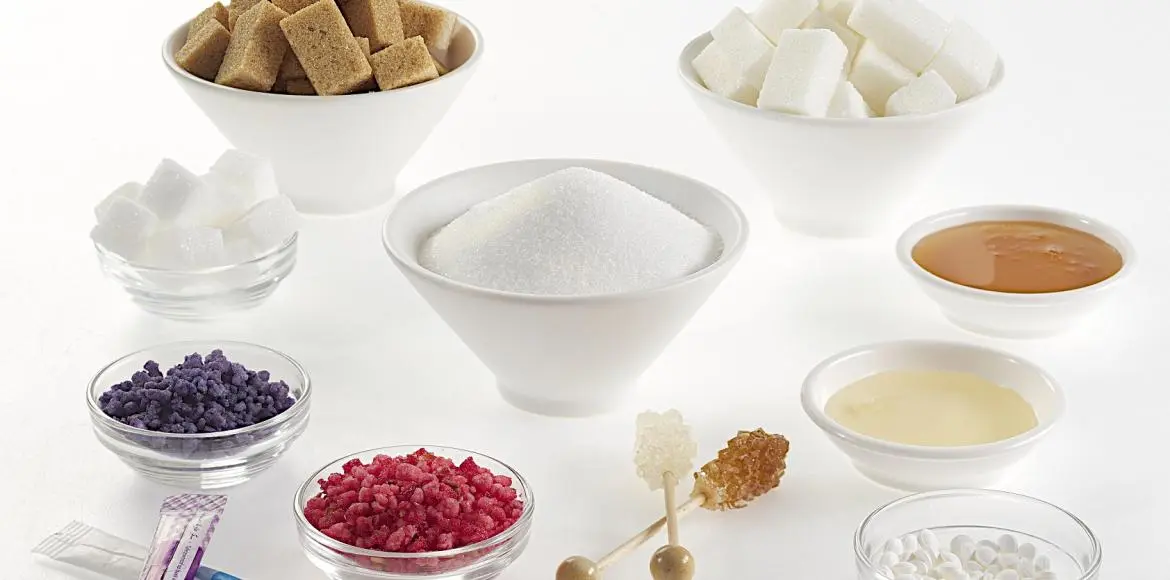
Free sugars are added sugars and sugars naturally present in honey, syrups or fruit juices. The main sources of free sugars are therefore sweet products (cakes, pastries, sugar, jam, spreads, candies, biscuits, pastries, dairy desserts, etc.), drinks (sodas and fruit juices) and certain dairy products (sweetened or flavored yogurts).
When you eat too much sugar, you also increase your risk of cavities, weight gain, type-2 diabetes, and cardiovascular disease.
4 out of 10 adults eat too much
A French study published in 2017 in Nutrients assessed the consumption of free sugars in France using data from the INCA2 survey. This work involved 1719 adults. According to this study, free sugars represent 9.5% of energy intake in adults. This level remains one of the lowest in Europe and below the 10% limit set by the WHO. For example, in the Netherlands, free sugars represent 13.5% of energy intake. But 41% of French adults consume more than the recommendations of the WHO (10% energy intake per day).
These people also swallow more calories than others (2192 calories versus 2123), particularly in the form of snacking between meals (258 calories per day versus 131). They ate fewer fruits and vegetables. According to a study, 90% of added sugars come from ultra-processed foods.
8 tips for reducing sugar
- Read the labels. Ingredients are listed in descending order of weight. So if sugar (or its variants) appears in the first positions, you can put down the product you were going to buy.
- Remember the other names for sugar. Sucrose, fructose, glucose, glucose syrup, glucose-fructose syrup, dextrose, are all names and forms in which sugars can appear. Read This item.
- Be careful with “natural” sugars. We can be tempted, for example, by agave syrup, but it is very rich in fructose, of which it has all the disadvantages.
- Reduce fruit juices. 1 glass of fruit juice, even pressed at home, provides on average the equivalent of 4 lumps of sugar (as much as a cola), which are particularly quickly assimilated.
- Do not replace sugars with synthetic sweeteners. Studies show that sweeteners do not reduce the risk of excess weight or diabetes. They also have an ADI (acceptable daily intake), which can be exceeded in case of high consumption and can expose you to risks, such as disruption of the intestinal flora.
- Find healthy alternatives. If you miss sugar, advises Angélique Houlbert in The Best Way to Eat“you can use natural citrus or vanilla extracts, cinnamon, lemon zest, edible essential oils of mint, lavender, cinnamon, ginger, tangerine or orange in your dishes and drinks“.
- Gradually reduce your consumption. If you have a sweet tooth, it’s not a very good idea to suddenly stop. You will have more chances of success by gradually changing your habits.
- Allow yourself for deviations. You can deviate from our advice from time to time and treat yourself!
- The right choice at the supermarket,
- The new additive guide,
- Breakfasts and snacks low in sugar,
- Sugarland,
- Sugar the bitter truth
-
Historical
-
Current version
on 01/20/2026 - on 01/16/2026
- on 06/12/2023
- on 03/21/2017