
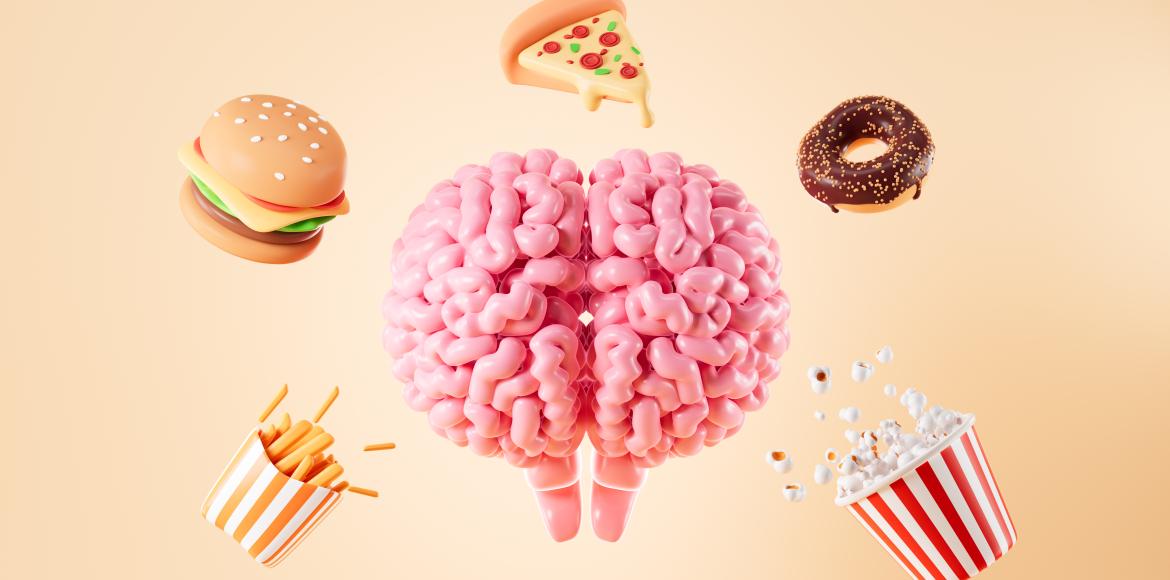
In healthy adults aged 35 to 69, high consumption of ultra-processed foods is associated with more small brain lesions, according to a Canadian study of nearly 9,000 people.
The consumption of ultra-processed foods has already been associated with numerous health problems: increased risk of obesity, type 2 diabetes, cardiovascular diseases… A new study, published in JAMA Network Opensuggests that they could damage the brains of healthy adults, long before any symptoms appear.
Invisible lesions in healthy adults
Researchers from the Population Health Research Institute (PHRI, McMaster University, Canada) analyzed data from 8,783 Canadian adults aged 35 to 69, without a history of heart disease, from two population studies (CAHHM and PURE-MIND). Their diet was assessed using questionnaires and they had a brain MRI.
The researchers looked in these images for the presence of anomalies indicating small vascular lesions: silent cerebral infarctions (small areas of the brain damaged by a lack of irrigation), and damage to the white matter. These lesions are considered warning signs that can appear several years before the onset of a stroke or memory problems.
Results: compared to participants who consumed the least ultra-processed foods, those who consumed the most had approximately 40% greater risk of presenting these lesions. On average, ultra-processed foods made up about a quarter of participants’ daily servings. This share rose to 45% among the biggest consumers, compared to 16% among the smallest.
“Usually, this type of lesion is associated with diseases that we hear about and treat at a much older age,” underlines Russell de Souza, first author of the study.
The association was stronger in women: those in the group consuming the most ultra-processed foods had almost twice as many lesions as those in the group who ate the least.
Abdominal fat: a possible explanation
The biggest consumers of ultra-processed foods also had more body fat and visceral fat, the deep abdominal fat that surrounds the organs. Visceral fat is linked to inflammation and damage to blood vessels, which can also affect the brain. This is one of the avenues put forward by researchers, who admit that they do not yet know the exact mechanism.
Ultra-processed foods could also act through other cardiovascular risk factors, such as hypertension or diabetes.
Furthermore, in this study, the consumption of ultra-processed foods was not associated with the results of the cognitive tests taken by the participants: the lesions observed were not yet accompanied by a measurable decline in memory or thinking.
“For many Canadians, ultra-processed foods are a convenient and affordable option,” observes Sonia Anand, also author of the study. But our findings suggest that a diet rich in these foods may be linked to brain changes that could lead to memory loss and stroke as we age. » These results add to other work showing the effects of ultra-processed foods on the vessels and the brain, such as on the coronary arteries or on the brain’s sensitivity to insulin.
What should you replace ultra-processed foods with?
In the study, ultra-processed foods were not added to the rest of the diet: they took the place of minimally processed foods. Fruits, vegetables, grains and other raw foods accounted for 41% of daily servings among the heaviest consumers of ultra-processed foods, compared to 68% among those who ate the least.
“The people who ate the most ultra-processed foods weren’t just adding them to their regular diet,” says Russell de Souza. These foods seemed to crowd out healthier whole foods. »
The challenge is therefore not only to eliminate ultra-processed foods, but to find replacements for them. Here are some possible exchanges for several food categories.
| Instead of… | Try… |
|---|---|
| Chips, aperitif biscuits and other snacks | A handful of plain oilseeds (almonds, walnuts, hazelnuts), raw vegetable sticks with homemade hummus |
| Sweet breakfast cereals | Plain oatmeal with fresh fruit |
| Sodas and sugary drinks | Still or sparkling water with a few slices of lemon or mint leaves, a cold infusion |
| Frozen ready meals | Meals cooked in large quantities on weekends and frozen in portions; plain frozen vegetables |
| Flavored yogurts | Natural yogurt with fresh fruit |
Good to know: not all frozen foods are ultra-processed. Plain frozen vegetables, fish or fruits remain minimally processed foods, practical for days when you have little time to cook.