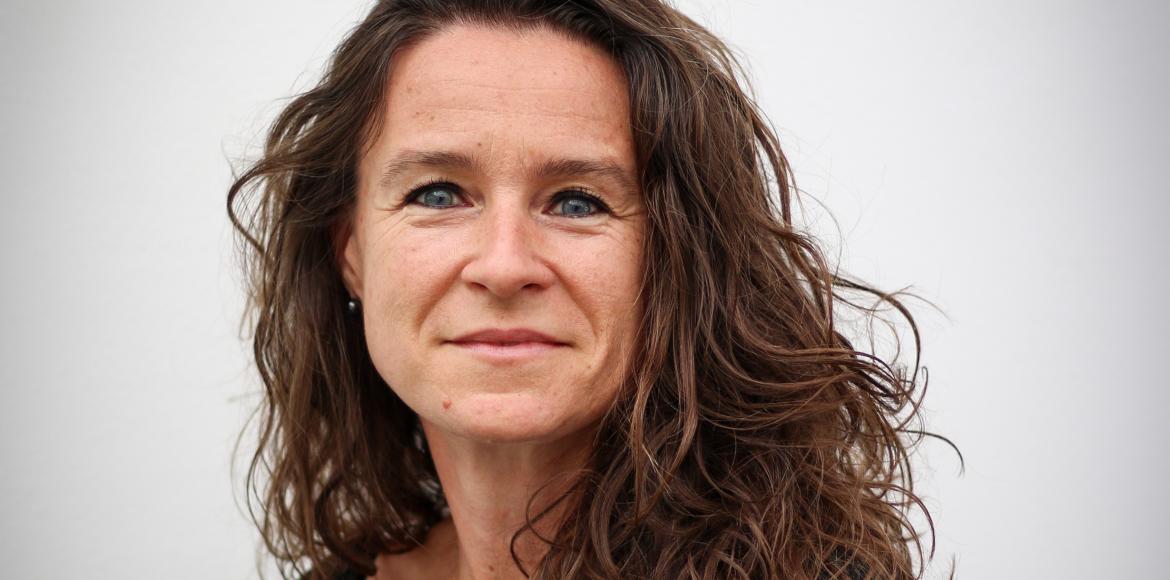
Angélique Houlbert is a dietician, author of several bestsellers who have benefited tens of thousands of people from her nutritional advice. She publishes Nutri Essentialsconcrete and scientifically supported guides to manage common health problems.
The World of Nutrition: Why did you decide to write the books in the collection? Nutri Essentials ? Who are they aimed at?
Angélique Houlbert : It’s simple: I have noticed, for years, immense confusion around nutrition and food supplements. Between contradictory injunctions, fashions, fears and misinformation, the public is lost. The idea was to make the latest nutritional and nutraceutical data accessible, that is to say concerning food supplements, to manage a common health problem: hypertension, diabetes, osteoarthritis, stress, menopause. I wanted guides in my image, that is to say scientifically supported, which go to the essential, easy to read, without blabber and at an affordable price.
This collection is aimed at people who want to understand before acting, to preserve their health, relieve certain disorders, balance emotions, better control blood pressure or blood sugar levels… It is also aimed at nutrition and/or food supplement professionals, who want a concise and rigorous training tool, whether they are pharmacy teams, salespeople in organic stores, therapists… These are books for making informed decisions.
How are they constructed? What are you relying on?
Each guide in the collection follows an identical structure to make the advice easier to read, understand and apply. They are 100% practical, with a concrete action plan from the first pages:
- Better understand the health issue addressed.
- Act with nutrition: menus, shopping lists, ideal plates, concrete advice applicable to everyday life by sorting out the cupboards.
- Use appropriate food supplements correctly: good to know, method of use, precautions for use.
To carry them out, I based myself solely on clinical trials, meta-analyses and epidemiological studies published in international journals and the state of knowledge validated by the health authorities. My goal was not to follow a trend, but to rely on the strongest level of scientific evidence possible.
You were a pioneer in the popularization of nutrition in France. Do you feel that you have conveyed important messages for public health and which ones?
Yes, I think I helped convey several essential messages. The works that I have written and co-written by Souccar have contributed, I think, to changing the way we look at nutrition, particularly on the importance of the quality of carbohydrates through the glycemic index and load, and not only in the context of diabetes or cardiometabolic diseases. It is a simple, concrete lever, easy to put in place, and yet extremely powerful: it allows you to act on many everyday problems, whether it be lapses in attention at the end of the morning, weight that gradually sets in, or even more difficult stress management. This glycemic stability is a common thread that is systematically found in each of my guides.
Another major axis of my commitment, particularly during my columns at Health Magazine on France 5, was to encourage consumers to look closely at the ingredient lists of the products they consume daily. Learning to decipher a label means regaining power over your health. Returning to a raw diet, with little or no processing, thus constitutes a fundamental base that I defend in each of my works.
What messages should we send today as a priority?
Tracking down and limiting ultra-processed foods, avoiding products that concentrate excessive amounts of sugars, choosing starchy foods with a low glycemic index and adjusting portions according to energy expenditure, age or size constitute the foundations of a consistent diet. But that is no longer enough. It is essential to fully integrate the other dimensions of the lifestyle: practicing a pleasant physical activity ideally outdoors, setting a daily step goal (6000-7000 steps per day), learning to better manage stress and maintaining truly restorative sleep. It is this holistic approach that defines integrative health. The goal is to stay healthy longer and take control of your daily health again. And this underlying trend also reflects an increasingly strong desire to use more natural complementary solutions. My collection Nutri Essentials is fully part of this movement.
In your opinion, if we eat few industrial products, limit dairy products, eat a lot of fruits and vegetables, a little meat, fish and eggs regularly with mainly olive and rapeseed oils, what other aspect of the diet should we monitor carefully?
It’s already an excellent base. For me, certain points of vigilance deserve to be known such as vitamin B12 when the consumption of animal products is very limited, iron in women who are still regulated, protein intake in seniors, long-chain omega-3 (EPA/DHA) if fatty fish is little present and the vitamin D status which is generally very low. In other words, the overall quality of the diet is fundamental, but in our current context, certain micronutrients remain difficult to optimize through diet alone.
We often hear that a varied and balanced diet covers micronutrient needs and that food supplements are therefore unnecessary. Is this really the case?
In theory, yes. In practice, it is more nuanced due to the impoverishment of the soil, a lower nutritional density of modern foods, a reduction in energy intake: as we are more sedentary, we consume less food and therefore fewer nutrients. Poor management of stress, pollution, sometimes overconsumption of medications and of course the passing years… All of this tends to increase needs. There are therefore very widespread deficiencies today: vitamin D, magnesium, omega-3, iodine, zinc. The real question is therefore not “should we take supplements or not”, but rather: “in what context, at what dose, in what form and for how long?” » It is precisely this nuanced and individualized approach that I strive to convey in my NutriRadio podcasts through Angélique’s nutraceutical column.
We also hear on social networks that food supplements are dangerous. Is this the case? Are there any precautions to take?
No, when they are purchased in reliable channels and used correctly, that is to say respecting the recommended doses and the precautions for use appearing on the label. On the other hand, yes, they can pose a problem if they are consumed in excessive doses, accumulated without consistency, purchased without guarantee of traceability or used to compensate for an unbalanced diet. A food supplement is neither trivial nor miraculous: it is a precision tool. In case of doubt, or in the presence of drug treatment, it is always preferable to seek advice from a healthcare professional in order to avoid interactions and adapt supplementation to the individual profile.
Should you take a blood test before taking food supplements as recommended by a well-publicized influencer?
Not systematically. A biological assessment is relevant in the event of persistent disorders, particular conditions or to adjust a dose in people at risk, but waiting for an assessment for any moderate preventive supplementation, for example vitamin D in winter, is not always necessary. It should also be remembered that certain blood measurements are imperfect and do not accurately reflect the body’s actual reserves. This is particularly the case for magnesium, the blood concentration of which does not allow an intracellular deficiency to be correctly assessed.
In your opinion, what supplement seems essential for everyone and at any age?
The one that can be considered almost universal in our latitudes is vitamin D3, especially from October to April. Then it depends on age, gender, lifestyle and diet.
What type of diet do you follow?
I follow a Mediterranean-type diet, raw, not or minimally processed with lots of plants (vegetables, fresh and dried fruits), fatty fish, eggs, oilseeds, legumes, virgin oils rich in omega-3 and omega-9; little meat and few cereals, even whole grains, despite the practice of sustained physical activity. Above all, I prioritize the nutritional density of foods, glycemic stability and above all I am very attentive to my feelings of hunger and satiety. I eat when I’m actually hungry, not because the clock tells me it’s time.
Do you take any food supplements, and if so, which ones?
Yes, always in a targeted manner and adapted to my current needs: vitamin D3 in winter, magnesium very regularly, omega-3 if my consumption of oily fish decreases. In times of intense stress, I use an adaptogenic plant like ashwagandha or rhodiola. During the year, I also take courses of probiotics, plants or active ingredients that support my liver (milk thistle, broccoli extracts, N-acetylcysteine) and specific nutrients that improve the proper functioning of my mitochondria (PQQ, coenzyme Q10). I view these supplements as strategic support, a way to optimize my physical and cognitive abilities. And this approach has served me effectively for over twenty-five years!
Comments collected by Thierry Souccar.
-
Historical
-
Current version
on 03/17/2026 - on 03/17/2026
- 03/16/2026