Less appetite, but increased attraction to sweet foods: a study from the universities of Bonn and Tübingen shows that depression changes food preferences.
In France, around one in five people experience a depressive episode during their lifetime. However, depression has effects on eating behavior. Patients, especially those with severe depression, often report changes in their appetite.
“Many people with depression experience a general loss of appetitesays Professor Nils Kroemer, who works at Tübingen University Hospital. Others have an increased appetite during a depressive episode and even develop cravings for food, especially sweets. These changes can lead to a change in body weight. » He and his team conducted a study that showed that depression is associated with specific changes in food preferences.
Changes in food preferences
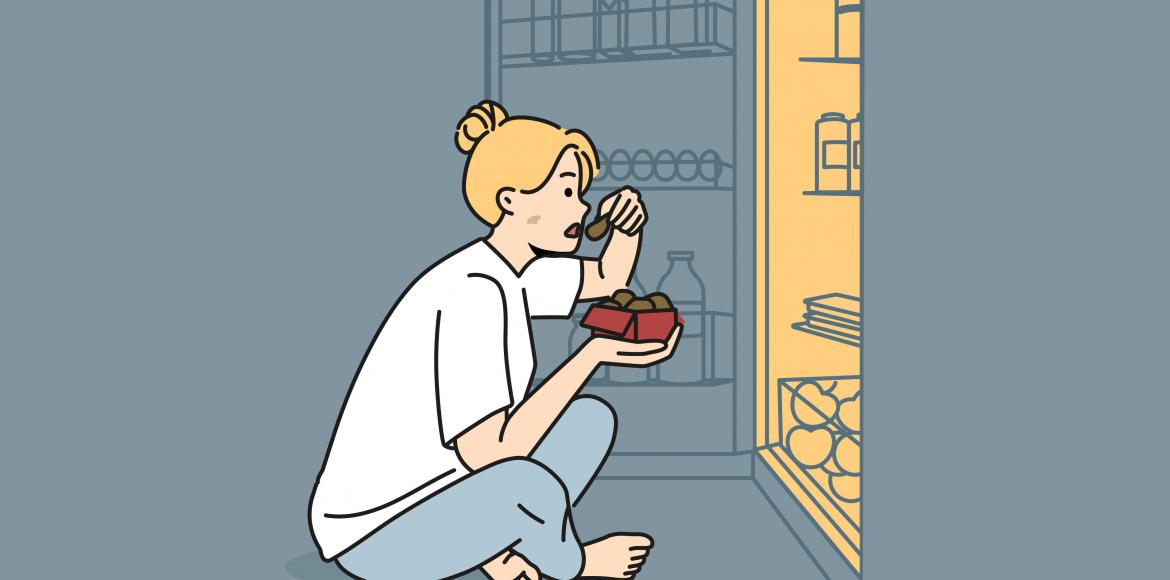
This study by the universities of Bonn and Tübingen found that although patients generally have a lower appetite, they prefer foods high in carbohydrates (1). People with depression also crave foods high in fat and protein less than healthy people. But they craved more foods that combined fat and carbohydrates, such as milk chocolate.
Read: Sweet and refined foods make you depressed
Until now, it was assumed that the craving for carbohydrate-rich foods was linked to a greater appetite. “We were able to demonstrate that this is not the caseexplains Lilly Thurn, main author of the study (2). In fact, carb cravings are more related to the overall severity of depression, particularly anxiety symptoms. »
These results suggest that lasting improvement in depression is possible by optimizing the patient’s diet. “Therapies targeting the gut-brain connection seem particularly promising for the future. Early studies have already shown that fasting or probiotic foods can have an antidepressant effectexplains Lilly Thurn. “People with depression have also been shown to have changes in their microbiome that could exacerbate various symptoms. »
Carbohydrates increase the brain’s synthesis of serotonin, a calming neurotransmitter.
How to nourish your brain well
“The brain is one of the most energy-intensive organs, consuming approximately 20% of the body’s total energy intake, with the majority of this energy coming from glucoseexplains Anne-Laure Denans, doctor of pharmacy and author of Practical guide to nootropic supplements. Unlike other organs, it has very low glycogen stores, making it dependent on a constant supply of glucose. However, not all foods high in sugar are suitable for effectively nourishing the brain. »
To maintain good brain function, it is essential to favor foods with a low glycemic index (low GI) in order to avoid spikes in blood sugar and insulin. Indeed, too high blood sugar harms the brain: in response, the pancreas secretes insulin, which can lead to reactive hypoglycemia and sudden cravings. “This phenomenon can manifest itself as mental fog, excessive hunger, irritability, or even difficulty concentrating”says Anne-Laure Denans.
Ultra-processed foods should be banned because they are rich in sugars and bad fats. “Many studies have shown that excess sugar and poor quality fats create an inflammatory state in the body, disrupting the proper functioning of the brain,” explains Anne-Laure Denans. A diet high in ultra-processed foods is associated with an increased risk of depression.
To go further: Brain nutrition
Read an EXTRACT>>
-
References
-
Historical
-
Thurn et al. Altered food liking in depression is driven by macronutrient composition. Psychological Medicine. 2025.
-
University of Bonn. Researchers from Bonn and Tübingen investigate the dietary preferences of depressed people. Press release. 2025.
-
Current version
on 05/05/2026 - 04/28/2026
- on 03/20/2025