
C-reactive protein or CRP is a marker of inflammation. It is often possible to reduce it through simple lifestyle changes.
Chronic inflammation is a risk factor for many diseases. It can be evaluated biologically by several markers, including the measurement of C-reactive protein. It is possible to reduce the level of CRP, and therefore inflammation, thanks to several measures, including a suitable diet, called anti-inflammatory, which is based in particular on a high consumption of antioxidants.
Blood CRP level, an inflammatory marker
What does the acronym CRP mean in a blood test?
CRP is the acronym for C-reactive protein in English (C-reactive protein).
What is C-reactive protein (CRP)?
C-reactive protein is a protein synthesized by the liver in response to inflammation. It is a sensitive, early and specific marker of the inflammatory reaction. What increases CRP?
The increase in CRP is a sign of inflammation which can be acute or chronic. The greater the inflammation, the higher the CRP level. If acute inflammation is beneficial to our body to fight against an infection for example, it becomes problematic when it “takes hold” in our body and becomes chronic.
When is CRP measured?
Laboratories measure standard CRP and CRP-ultrasensitive (CRP-us), which is a more sensitive test. CRP-us is a marker of cardiovascular risk. Indeed, a high level of CRP-us is associated with an increased risk of heart attack.
Your doctor will order a CRP test for:
- look for inflammation due to infection;
- diagnose an acute (diverticulitis) or chronic inflammatory disease, such as rheumatoid arthritis;
- determine your risk of heart disease
Read: How to escape heart attack and stroke by Dr Michel de Lorgeril
How to take a CRP test?
To determine the CRP level, you must take a blood test on an empty stomach.
What is the value normal CRP during a blood test?
CRP is measured in milligrams per liter (mg/L).
The normal CRP level should be below 6 mg/L. High CRP is a sign of inflammation, regardless of the cause.
A CRP-us above 2.0 mg/L generally indicates a higher risk of heart disease. A person’s CRP levels vary over time. A coronary heart disease risk assessment should be based on the average of two tests, ideally taken two weeks apart. Values consistently above 2.0 mg/L may reflect an increased risk of heart attack.
Chronic inflammation, why reduce it?
Chronic inflammation (also known as low-level inflammation) is characterized by a chronic immune response with the constant circulation of pro-inflammatory and inflammatory molecules in the body, at levels not necessarily high. Chronic inflammation actually corresponds to a permanent activation of the immune system. It is essentially our lifestyle (diet, sedentary lifestyle, stress, smoking, etc.) and our environment (presence of pollutants) which are at the origin of this chronic inflammation. However, we now know that she is present in almost all health problems: osteoarthritis, sankylosing pondylitis, allergies, cardiovascular diseases, cancer, Alzheimer’s disease…in fact, the presence of this low-level inflammation over the long term makes us more vulnerable to diseases, hence the importance of trying to reduce it.
How to reduce inflammation in the body?
Reducing chronic inflammation in the body is essential to reduce the risk of developing certain diseases (cancer, cardiovascular diseases, etc.). CRP measurement makes it possible to monitor the evolution of inflammation, but there are also other inflammatory markers.
Lose weight
Since inflammation is linked to overweight and obesity, the best way to lower the CRP level is to lose weight if you have extra pounds. These conclusions were confirmed in a recent study which showed that among people with a CPR considered high (more than 10 mg/L), 25% had a normal weight, 51% were overweight, 75% were obese.
Focus on antioxidants to reduce inflammation and cardiovascular risk
A diet richer in antioxidants (diet and food supplements) plays an important role in lowering CRP, and therefore in reducing inflammation. This is what researchers at the University of Connecticut report, who publish their results in European Journal of Nutrition. Inflammation would in particular promote the formation of atherosclerotic plaques in the blood vessels. By reducing inflammation, a diet rich in antioxidants would prevent cardiovascular disease.
Read: How free radicals make us age
This small study on overweight or obese postmenopausal women (BMI between 25 and 40), aged 40 to 70, in apparent good health lasted 9 months. The researchers measured the total antioxidant capacity of their diet. The total antioxidant capacity considers all the antioxidants present in the food bolus, whether they are provided by foods or food supplements. At the start of the study, the concentration of CRP was three times higher in the group low in antioxidants than in the other group: women who ate a diet rich in antioxidants had the lowest levels of CRP. After 9 months, the CRP level evolved in the opposite direction to the antioxidant capacity of the diet: the more this increased during the nine months, the more the CRP fell.
There is therefore an inverse association between dietary antioxidants and the inflammation marker CRP in obese or overweight postmenopausal women. Polyphenols such as flavonoids and proanthocyanidins contributed most of the total antioxidant capacity of the diet in this study. These molecules would reduce inflammation. Recent cohort studies have found that the higher the total antioxidant capacity of the diet, the lower the cardiovascular risk.
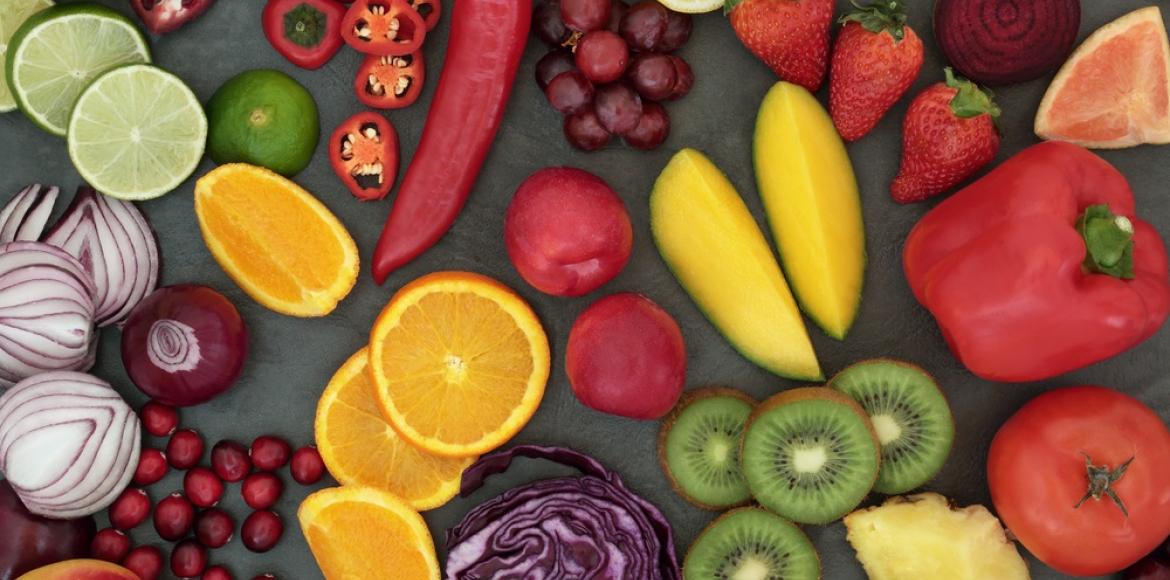
Among foods rich in antioxidants, we find fruits (blackberries, nuts, strawberries, cranberries, blueberries, grapes, oranges, etc.), vegetables, chocolate, coffee, etc.
To learn more about the antioxidant potential of foods: The guide to antioxidant foods, with LaNutrition.fr (read an extract HERE >>)
Increase fiber consumption
In a study of 3,920 people, people who consumed the most dietary fiber had a 41% lower risk of high C-reactive protein levels than those who consumed the least fiber. The researchers who conducted this study concluded: “Our results indicate that fiber intake is independently associated with serum CRP concentration, reinforcing the recommendation to follow a high-fiber diet..”
Practicing physical activity
To reduce inflammation in the body, physical activity is effective. Indeed, during physical activity, muscle cells release interleukins capable of fighting inflammation. By extending the duration of physical activity, you increase the release of these anti-inflammatory molecules. Recent analysis of several studies shows that exercise lowers CRP, regardless of age and gender.
In addition, physical activity helps combat overweight and obesity, which promote inflammation and increase CRP levels: fat cells produce pro-inflammatory molecules. Losing a few pounds can help reduce inflammation. The study cited above indeed finds that the more you lose weight through exercise, the more CRP decreases.
Take supplements
Vitamin C. According to a study, taking 1,000 mg per day of vitamin C can lower C-reactive protein. In this University of California (Berkeley) study, participants who received vitamin C and had CRP levels above 2 mg/L at baseline experienced a 34% drop compared to the placebo group after just two months. There are contraindications to high doses of vitamin C (oxalate-based kidney stones in particular); consult a healthcare professional.
Curcumin. In a randomized controlled trial people with metabolic syndrome who took curcumin experienced significantly lower levels of CRP than those who received a placebo. This compound is an active ingredient in the Curcuma longa plant.
Ginger. One study found that women with breast cancer who took ginger supplements had lower levels of CRP and interleukin-6 (an inflammatory mediator) compared to a placebo group, particularly when ginger supplementation was combined with exercise.
In practice: favor an anti-inflammatory diet
Food is a natural treatment to fight inflammation in the body. All you need to do is choose the right foods and avoid eating those that tend to trigger an inflammatory reaction. As we have seen, a diet rich in antioxidants is beneficial: we can emphasize fruits and vegetables, but also spices (turmeric, ginger…) and aromatic herbs (parsley, Provence herbs, etc.) which are a very good source of various antioxidants. Furthermore, fruits and vegetables are rich in fiber, which itself has a beneficial effect on CRP levels.
As for dietary fats, omega-3 (linseed, fatty fish, rapeseed oil, etc.) are valuable, while excess omega-6 (sunflower oil, industrial products, etc.) must be avoided to rebalance the omega-6/omega-3 ratio.
To limit blood sugar peaks and reduce inflammation, you should choose carbohydrates with a low glycemic index (whole-grain breads, whole-grain cereals, etc.), limit sugary products, ultra-processed foods and think about eating legumes.
For your snacks, consider oilseeds which have the advantage of being rich in fiber, good fats and nutrients.
To learn all about foods that fight inflammation, read our article (subscribers)