
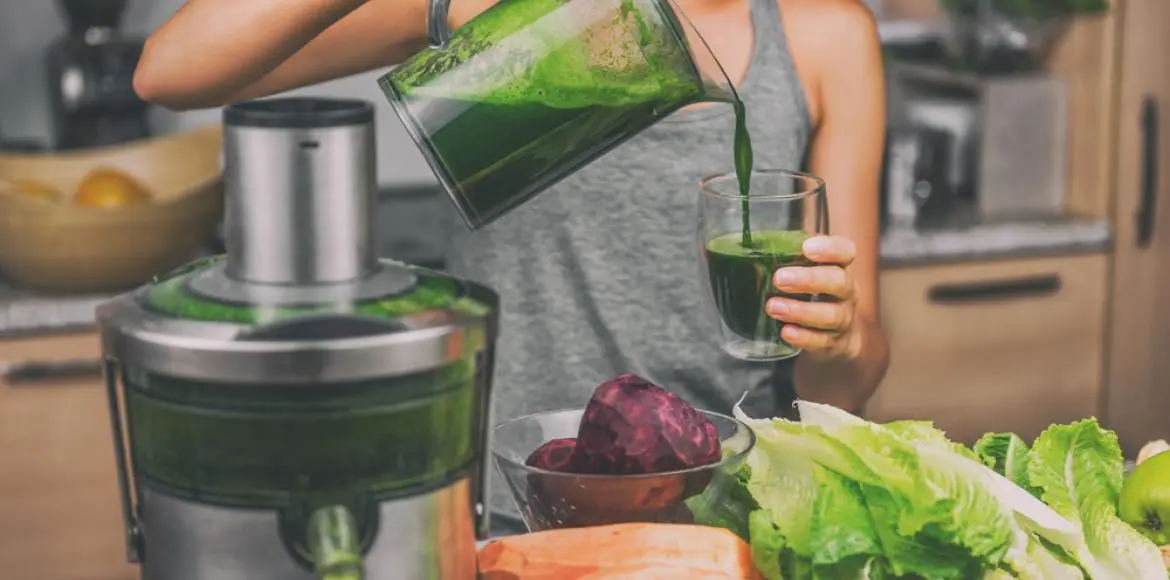
Exclusive consumption of fruit and vegetable juices for three days increases the presence of inflammatory bacteria in the mouth and intestine.
Colorful, refreshing and rich in vitamins, fruit and vegetable juices seem to respond to a modern aspiration: the return to a healthy, natural, quality diet. Some may see it as a way to meet their needs for vitamins and antioxidant molecules. In town, juice bars, first born in the United States, are multiplying, particularly in France. Juices have also become the essential stars of detox programs and certain fasting protocols. But, according to a new study, their impact would not be negligible on the microbiota.
Read: The truth about detox (subscribers)
How a juice cleanse affects the microbiota
Researchers at Northwestern University studied three groups of healthy adults: some consumed only juice for three days, others juiced with whole foods, and the last group only whole plant foods (1). The juice cleanses included 5 different fruit and vegetable juices, with ingredients: apple, cucumber, celery, lemon, spinach, carrots, etc.
According to the results, the group that only consumed juices experienced the most significant increase in bacteria associated with inflammation and intestinal permeability: the scientists saw a reduction in bacteria Firmicutes beneficial and an increase in Proteobacteriaa bacterial group associated with inflammation.
“Consuming large amounts of juice with little fiber can lead to microbiome imbalances that could have negative consequences, such as inflammation and decreased gut health,” said Melinda Ring, who is a physician and directs the Osher Center for Integrative Health at the university (2).
The oral microbiota responded quickly and significantly, while the gut microbiota remained relatively stable during the juice diet. “This highlights how quickly food choices can influence health-related bacterial populations, explains Dr. Melinda Ring, the oral microbiome appears to be a quick barometer of the impact of diet. »
Fruit and vegetable juices lack the fiber that feeds beneficial bacteria, those that produce anti-inflammatory compounds like butyrate. Additionally, in the absence of fiber, sugar-loving bacteria thrive: the high sugar content of fruit juices further fuels these harmful bacteria, disrupting the gut and oral microbiome. Finally, the sugars in fruit juices can cause significant fluctuations in blood sugar levels.
How to consume juice?
Reduced fiber intake can impact metabolism, immunity and even mental health. Conclusion, for Dr. Ring: “If you like fruit juices, consider blending them to keep the fiber intact, or pair the juices with whole foods to balance the impact on your microbiome. »
Read: Fruit juice: the best products from the supermarket (subscribers)
A detox cure can include juices, without necessarily making them the only nutritional intake of the day. Thus, cabbage juice is known for its benefits on intestinal and liver health. Beetroot juice is also often used in these cures.
In his book Toxic – The solutionnaturopath Joseph Pizzorno recommends the use of green vegetable juices for liver detoxification. “You can prepare vegetable juices yourself with a juicer, juice extractor or blender, he said. I prefer the latter because it helps preserve fiber, which plays an important role in the detoxification process. Preferably prepare them with organic vegetables. If you’re short on time, ready-made juices are very convenient. Buy them in an organic store and check their composition. They must be cold pressed. »
To find out more: Toxic – The solution
-
References
-
Historical
-
Savo Sardaro et al. Effects of Vegetable and Fruit Juicing on Gut and Oral Microbiome Composition. Nutrients. 2025.
-
Northwestern University. Juicing may harm your health in just three days, new study finds. 2025.
-
Current version
03/10/2026 - on 03/06/2026
- on 03/03/2026
- on 05/15/2025