Calcium is essential for bone health, but some misconceptions persist. Does a massive calcium intake guarantee strong bones?
Misconception #1: “You need to drink a lot of milk to have strong bones”
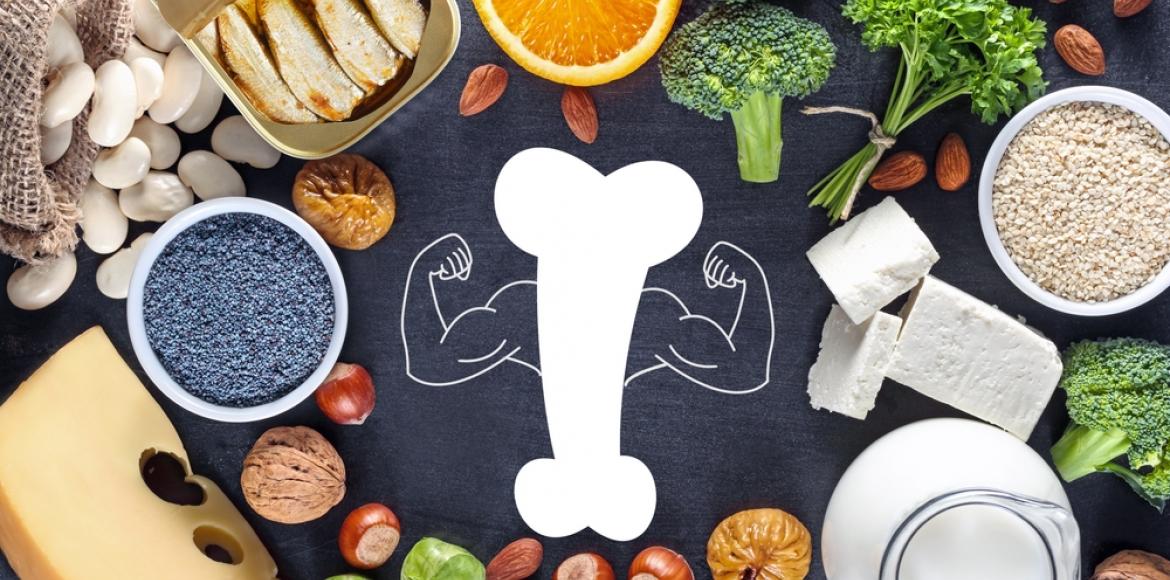
Milk certainly provides calcium, but there are other sources such as green vegetables, almonds, sardines, mineral water (see below).
Some studies question the real impact of high consumption of dairy products on bone health. This subject was the subject of the book Milk, lies and propagandawritten by Thierry Souccar. “Dairy products, although they have undeniable taste qualities, although they contribute well to calcium intake, are not the magic weapon for preventing fractureshe said. They have little or no effect on the risk of osteoporosis fracture.”
In 1997, research conducted by a Harvard team showed that women who consumed the most dairy products were those who also had the most fractures (1). In his new book, The secret to strong bonesThierry Souccar notes: “Paradoxically, the countries where we consume the most milk and calcium are those experiencing the highest rates of hip fractures.” This does not necessarily mean that the consumption of dairy products promotes fractures, but these results go against the idea that they are protectors of bone health. In other words, there is no evidence that consuming dairy products reduces the risk of fractures.
Misconception #2: “The more calcium we consume, the stronger the bones are”
Excess calcium does not necessarily bring additional benefits and can even cause problems. In some studies, calcium supplements have been linked to an increased risk of cardiovascular disease, but a large systematic review and meta-analysis of studies did not confirm this risk (2).
“Calcium supplementation alone does not reduce fracture riskexplains Thierry Souccar. On the other hand, the combination of calcium and vitamin D supplements reduces the risk of fracture, but this benefit is limited to elderly people living in retirement homes, who are often deficient.”
Hypercalcemia and its symptoms: when there is too much calcium in the blood
Hypercalcemia – excess calcium in the blood – causes few symptoms. But in the long term, it can contribute to the formation of kidney stones containing calcium (3).
Misconception #3: “Calcium is the only essential element for strong bones”
Calcium is not the only mineral important for bone health. Magnesium and potassium should not be neglected. Vitamins D and K2 are also necessary for good bone health. Finally, adequate protein intake is also essential to prevent the risk of fractures.
Misconception #4: “Osteoporosis is due to a lack of calcium”
Osteoporosis is a multifactorial condition. Other parameters are involved in its development: hormones, particularly in menopausal women, a sedentary lifestyle, smoking, etc.
Menopause in women is synonymous with a drop in estrogen production. However, these hormones protect bones by slowing down bone resorption and stimulating bone formation.
Preserving muscle and bone health also involves regular physical activity. “Climbing stairs, gardening, walking around the block, lifting dumbbells (even light ones) send positive signals to the muscles and bonesexplains Thierry Souccar. Several studies involving the use of weights or machines have shown very positive effects on bone strengthening of the wrist, vertebrae and femur.”
Finally, food Western culture, acid-base imbalance, are also factors to take into consideration.
Read: The diet that prevents osteoporosis
Frequently asked questions
Sources of calcium: where to find calcium for bones?
Dairy products are classically associated with calcium. However, this mineral is found in many other foods.
Read: The foods richest in calcium
| Food | Amount of calcium in 100 g |
|---|---|
| Emmental | 898 mg |
| Dry goat cheese | 895 mg |
| Sardine in oil | 333 mg |
| Almonds | 260 mg |
| Yogurt | 121 mg |
| Hazelnut | 120mg |
| UHT whole milk | 120mg |
| Plain tofu | 100 mg |
Some foods rich in calcium
Why does calcium help bones?
Calcium is an essential mineral. It is a major structural element of bones and teeth. Bone is a dynamic tissue that remodels itself throughout life. Bone cells called osteoclasts destroy damaged or aged bone tissue, while bone cells called osteoblasts synthesize new bone from calcium and phosphorus. Osteoporosis occurs when bone resorption chronically exceeds new bone formation.
What is the calcium level that should not be exceeded?
Hypercalcemia is defined by serum calcium concentrations greater than 2.75 mmol/L (11 mg/dL). It is rarely due to a high intake of dietary calcium, but may be due to taking high-dose calcium supplements, particularly when accompanied by vitamin D, as this can increase calcium absorption. The most common causes of hypercalcemia are malignancies and hyperparathyroidism.
In France, ANSES recommends intakes for adults qualified as “nutritional references for the population” (RNP). For calcium, the RNP is 1000 mg in 19-23 year olds and 950 mg for those over 24 years old. The safe upper limit is 2500 mg per day.
To find out more: The secret to strong bones
-
References
-
Historical
-
Feskanich D, Willett WC, Stampfer MJ, Colditz GA. Milk, dietary calcium, and bone fractures in women: a 12-year prospective study. Am J Public Health. 1997 Jun;87(6):992-7.
-
Chung M, Tang AM, Fu Z, Wang DD, Newberry SJ. Calcium intake and cardiovascular disease risk: an updated systematic review and meta-analysis. Ann Intern Med. 2016;165(12):856–866.
-
Lewis. Hypercalcemia (high level of calcium in the blood). MSD Manuals.
-
Current version
02/25/2025 - 02/14/2025