Proteins are essential for maintaining muscle mass and aging in good health. How many grams of protein should you eat each day? Discover the advice of Dr. Gabrielle Lyon, author of Muscles – Your greatest life force.
As we age, we tend to lose muscle: this is sarcopenia. “Without an adequate diet and resistance muscle training, the deterioration of skeletal muscle mass (sarcopenia) and the reduction in strength and power (dynapenia) which begins around age 30 generally ends up being seen once the age of 50 is reached.,” said Gabrielle Lyon. Each year our muscles lose between 0.8 and 1% of their mass, according to her.
Over time, muscle loss increases the risk of falls and fractures, which can lead to downtime which makes the problem even worse. But seniors are not the only ones affected. “Recent estimates indicate that 8% to 36% of people under 60 and 10 to 27% of those over 60 are considered to have sarcopenia. »
The importance of muscles in health and longevity
Muscles don’t just have one function in mobility. They burn fat and stimulate metabolism. However, after 50 years, “often lost muscle is replaced by fat mass, which reduces muscle strength and mobility while disrupting metabolism”explains Gabrielle Lyon.
Muscles also play a hormonal role and help control blood sugar. During physical exercise, they release myokines, molecules that travel through the blood, reach other organs and influence metabolism. “These proteins, which help regulate metabolism in all tissues of the body, also have beneficial effects on our health and anti-inflammatory effects on different tissues. »
The roles of proteins in the body
In the body, proteins are used to build and renew muscle, bones or skin. They are also present in the form of digestive enzymes, hemoglobin, hormones, antibodies, etc., performing many functions essential to life.
So how much protein do you need to preserve your muscle mass?
Dietary recommendations for protein
In France, ANSES recommends consuming 0.83 g of protein per kg of body weight in adults. This therefore represents approximately 50 g for a 60 kg woman and 66 g of protein for an 80 kg man. But is it really enough?
For Dr. Gabrielle Lyon, we should go beyond official recommendations and aim for double, around 1.6 g/kg of body weight, or even more if the person is looking to lose weight. “As part of weight loss, I recommend at least 1 g of protein per 0.45 kg of targeted body weight. In particular, the first and last meals of the day should each contain at least 30g of high-quality protein. »
Consuming more protein helps limit age-related muscle and bone loss. The other lever to activate will be physical exercise. “Combining optimal protein intake and resistance training helps preserve muscle health and helps fight dysfunctional eating behaviors, fatty liver, obesity, hypertension, hyperglycemia and high cholesterol levels, while preventing many other diseases. »
Also read: How much protein do you need? (subscribers)
Where to find protein?
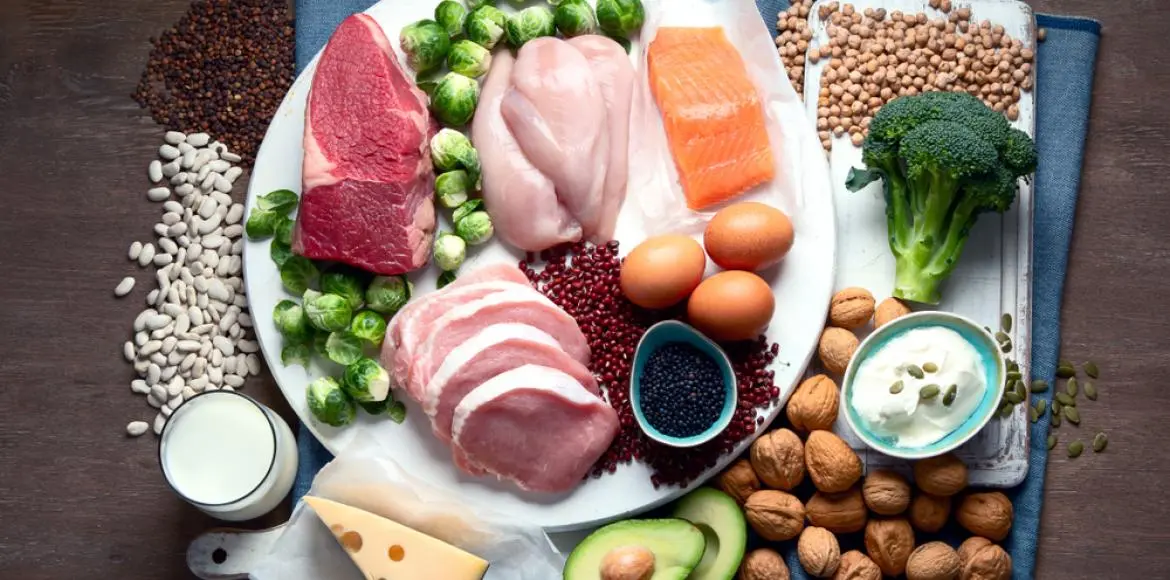
The foods richest in protein are meat, poultry, fish, eggs, dairy products, soy products (tofu, tempeh, etc.), nuts and seeds, legumes, etc. Here is a table to help you compose your daily protein plate.
| Food | Portion | Protein in g |
|---|---|---|
| Chicken fillet | 100g | 30.1 |
| Beef steak | 100g | 27.6 |
| Salmon | 100g | 25 |
| Tuna | 100g | 25 |
| Sardines in oil | 100g | 24.4 |
| Ham | 100g | 20.3 |
| Egg | 120 g (2 hard-boiled eggs) | 16.2 |
| Tempeh | 100g | 16.1 |
| Emmental | 50g | 14 |
| Tofu | 100g | 13.4 |
| Oatmeal | 100g | 13.3 |
| Almonds | 50g | 12.9 |
| Wholemeal bread | 100g | 8.4 |
| Fresh goat cheese | 50g | 8 |
| Chickpeas | 100g | 6.7 |
| Cow’s milk yogurt | 1 jar of 125 g | 4.6 |
Sources: Ciqual
As part of a vegan diet, it is important to combine several sources of plant proteins in order to have all the amino acids necessary for the proper functioning of the body.
In the event of insufficient protein intake, supplements may be used, for example amino acids or protein drinks containing whey or rice and pea proteins.
Read: Protein supplements: how to make the right choice (subscribers)
Gabrielle Lyon also recommends balancing your protein intake over the three main meals of the day, for example with 30 g at each meal. This means that you should avoid a breakfast that contains too many carbohydrates.
To go further: Muscles – Your greatest life force
-
Historical
-
Current version
11/17/2025 - 03/11/2025
- on 02/26/2025
- on 01/23/2025