

The Mediterranean diet is probably one of the most recognized diets in the world for its health benefits. Here are 15 common foods in this diet.
Ingredients to have in your cupboards
Olive oil (and olives)
An essential and emblematic ingredient of the Mediterranean cuisineolive oil accompanies raw vegetables, is used to prepare marinades, sauces, and is also used for cooking. Rich in polyunsaturated fatty acids (oleic acid), it is the pillar of the Mediterranean diet.
To choose the right olive oil, read: How to choose a good olive oil
Protein sources
Sardines (and other seafood)
The sardine owes its name to Sardinia, an island whose waters were once abundant in this small fish which lives in very dense schools. Fresh or canned, it offers a wide variety of culinary possibilities and has many benefits thanks to its exceptional nutritional composition.
Read: Everything you need to know about sardines
The egg
Affordable and popular, egg offers good quality protein. It accompanies salads, raw vegetables, is used to cook omelettes with mushrooms and herbs, as well as many desserts.
A traditional Algerian dessert with almonds and honey: Mchewek
Lentils and other legumes
Sources of vegetable proteins, satiating and economical, lentils offer many options in cooking: for salads, as an accompaniment to meats, for soups or vegetable purees. Without forgetting its flour, also useful for pastries, in addition to other flours.
A recipe from Greek cuisine: Yellow lentil puree
Dairy products
The Mediterranean diet generally favors dairy products from goats or sheep rather than cows (unless the cows are traditional breeds, raised with respect for animal welfare, mainly pasture-fed).
Sheep’s cheese
Sheep’s milk is used to make cheeses like feta, while Greek yogurt made from sheep is the main ingredient in tzatziki.
Goat cheese
Goat cheeses are also common in the Mediterranean diet. Goat’s milk is used, along with sheep’s milk, in the composition of feta.
Recipes with these cheeses
- Cheesecake with fresh sheep’s cheese
- Pita with polenta and mountain herbs
- Feta saganaki
Fruits, vegetables, seeds, herbs and condiments
The tomato
Although native to America, the tomato is an essential part of Mediterranean cuisine. For the sauces that garnish the pizzas, for pasta dishesbut also as starters, with raw vegetables or in soups, there is no shortage of recipes!
A recipe for tomato soup: Tomato and bread soup
Lemon
Fruit notable for its vitamin C compositionlemon flavors raw vegetable and salad seasonings, accompanies fish fillets or seafood and enhances fresh fruit salads.
A recipe: Salt-preserved lemons
The nut
Overall, oilseeds and nuts play a central role in Mediterranean cuisine. They are a valuable source of plant-based omega-3, particularly nuts.
Read: You can eat nuts every day without gaining a single gram
Almond (and its powder)
This oilseed has many health benefits, particularly due to its vegetable protein composition, dietary fiberpotassium and antioxidants. Gluten-free and low in carbohydrates, almond powder is very popular in baking.
A recipe: Torta della nonna
Garlic
Rich in sulfur compounds, garlic is also an essential ingredient in Mediterranean cuisine. Antibacterial and antiviral, it is recognized for its benefits for the arteries.
A recipe: Lactofermented garlic with rosemary
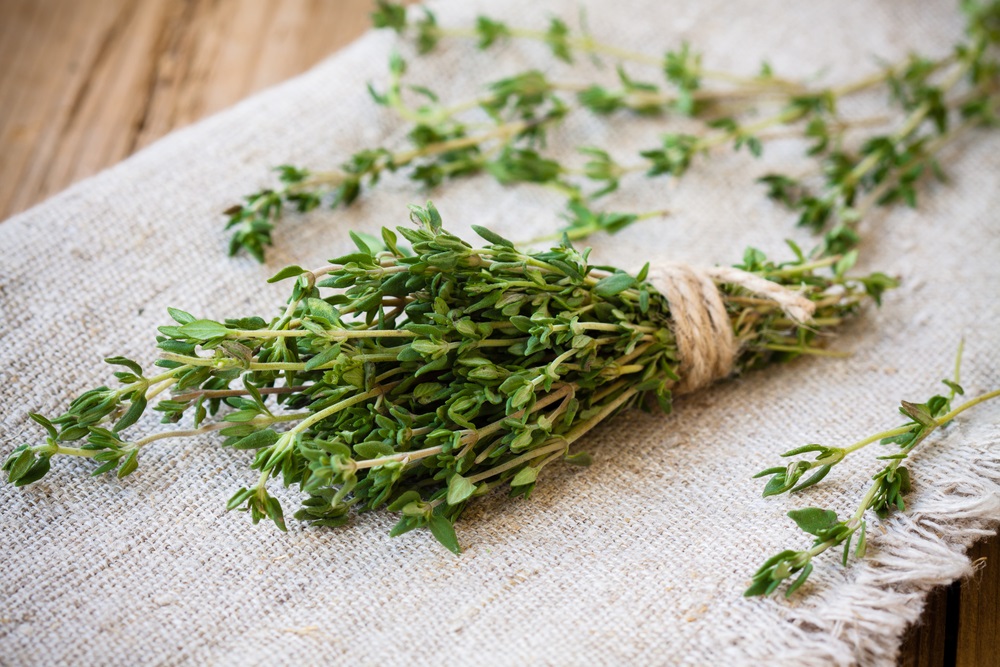
Thyme
Aromatic herb known for its antiviral propertiesthyme is easy to grow in the garden. Dry or fresh, it seasons your meats, fried vegetables, grilled meats, poultry, fish, tomato sauces, marinades, etc.
A recipe: Sautéed shrimp
Basil
An aromatic plant widely used in Mediterranean cuisine, basil has many health benefits, particularly digestion. Its leaves go very well with salads and tomatoes. It flavors meat dishesvegetables, pasta or pizza, and is the essential ingredient for preparing pistou (or pesto).
A recipe: Tomato-basil dips
Mint
One of the most widespread medicinal and aromatic plants in the world, mint is known for its toning and digestive properties. It accompanies many vegetables in soupstabbouleh, or even cucumber in Greek tzatzíki.
A recipe: Quinoa tabbouleh
And optional: red wine
Of course, it is not obligatory to drink wine to follow the Mediterranean diet, but it was difficult to finish this list without mentioning it. The recommendation is a maximum of one drink per day for women and two for men. According to the concept of French paradoxpeople who regularly drink a little red wine enjoy better health than those who never drink it. This could be partly explained by the benefits of grape polyphenols, and in particular resveratrol.
To find out more: The truth about wine
FAQ: Mediterranean cuisine
What are the main characteristics of Mediterranean cuisine?
The Mediterranean diet, described since Antiquity, is based on the significant consumption of vegetables, fruits, nuts, whole grains, legumes, herbs, and the more moderate consumption of meat, fatty fish and seafood, virgin olive oil. Red wine (in moderate doses) is generally present with meals, prepared at home. The Mediterranean diet is accompanied by a lifestyle that favors social connections, outdoor activities and which benefits from plenty of sunshine.
What are the health benefits of regularly eating Mediterranean meals?
Numerous health benefits of the Mediterranean diet have been demonstrated, to reduce cognitive decline, metabolic syndrome, type 2 diabetes, cardiovascular diseases, etc. The advantages of this diet are partly attributed to the presence of good fats (olive oil, but also omega-3 fatty acids from fatty fish), and antioxidants from fruits and vegetables.
To go further: I eat Mediterranean every day
-
Historical
- on 08/11/2026