Hot flashes, irregular cycles, mood fluctuations, insomnia… As menopause approaches, the majority of women experience symptoms that impact their quality of life. Natural solutions exist to alleviate them. With the advice of Angélique Houlbert, author of the book Nutri Menopause.
“Whether within couples, family, friends or even in the professional sphere, menopause remains a tabooexplains Angélique Houlbert. However, menopause is not an illness, but a natural stage of life, just like puberty. » A natural step of course, but one which is accompanied by physiological changes which can have negative repercussions on women’s daily lives. “According to Inserm, 87% of women present at least one symptom linked to menopause, in addition to the cessation of periods, and 20 to 25% of them suffer from severe symptoms which alter their quality of life. »
In addition to dietary and lifestyle changes, certain supplements can give a boost and help limit the most unpleasant symptoms. We have selected four, among the many available supplements that Angélique cites in her book Nutri Menopause.
Read: Menopause: how to avoid gaining weight
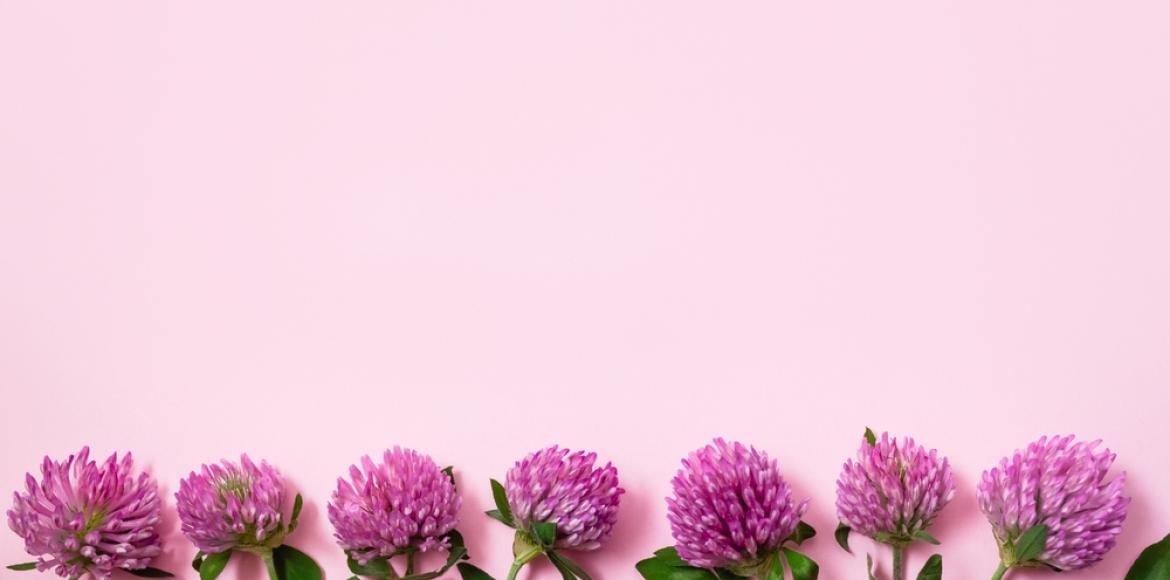
Red clover for its phytoestrogens
“Phytoestrogens, particularly isoflavones (daidzein, genistein, glycitein) are polyphenols whose structure is similar to that of estradiol,” explains Angélique Houlbert. At menopause, the ovaries stop the synthesis of these female hormones, which causes symptoms. This is why taking phytoestrogens can be beneficial. But be careful: Women with a personal or family history of breast cancer should not take phytoestrogens.
Among the plants providing these molecules, we chose a common species and less cited than soybean for this use: red clover or Trifolium pratense. “According to the latest study reviewsexplains Angélique Houlbert, trials carried out in perimenopausal and postmenopausal women have demonstrated that taking red clover extracts standardized in isoflavones (at least 80 mg/day of isoflavones with a high proportion of biochanin A), for at least 3 months, improves the discomforts of menopause and notably reduces the frequency of night sweats and hot flashes (around 2 fewer hot flashes per day, particularly in those who had more than 5 per day.”
A progestogenic plant: chasteberry
The chaste tree (Vitex agnus castus) is traditionally recommended for premenstrual syndrome. However, this is often exacerbated in premenopausal women. Chasteberry has a progestin effect and is therefore of interest in overcoming the lack of progesterone in women as they approach menopause. “This plant is ideal in perimenopause, when women still have more or less regular menstrual cycles,” said Angélique Houlbert. His advice: 200 mg per day of a chasteberry extract, from the tenth day of the menstrual cycle.
An adaptogenic plant to manage emotions: ashwagandha
In the family of adaptogenic plants, known for helping the body adapt to stress, our choice fell on ashwagandha, which as its Latin name indicates (Wittania somnifera), is also an asset for sleeping well. Its benefit has also been demonstrated in women approaching menopause.
Indeed, a randomized double-blind placebo-controlled trial carried out on 100 perimenopausal women evaluated a supplementation of 300 mg of root extract twice daily for 8 weeks. Result: a significant reduction in both psychological and physical (climateric) symptoms, as well as an improvement in quality of life and an increase in serum estradiol levels.
Read also: 5 little-known food supplements to boost your brain
And valerian to sleep better
Because sleep disorders are common around the time of menopause, a supplement can help you sleep better. Although it doesn’t work for everyone, valerian is one of the best-researched herbs in this area. Furthermore, it has even demonstrated its benefits in women suffering from menopausal disorders.
Thus, a triple-blind randomized clinical trial carried out on 60 postmenopausal women evaluated the effect of valerian capsules (530 mg, twice daily for two months). Result: the severity of hot flashes was significantly reduced in the valerian group from the first month, and their frequency also decreased after two months of treatment.
To go further: Nutri Menopause
-
Historical
- 03/27/2026