
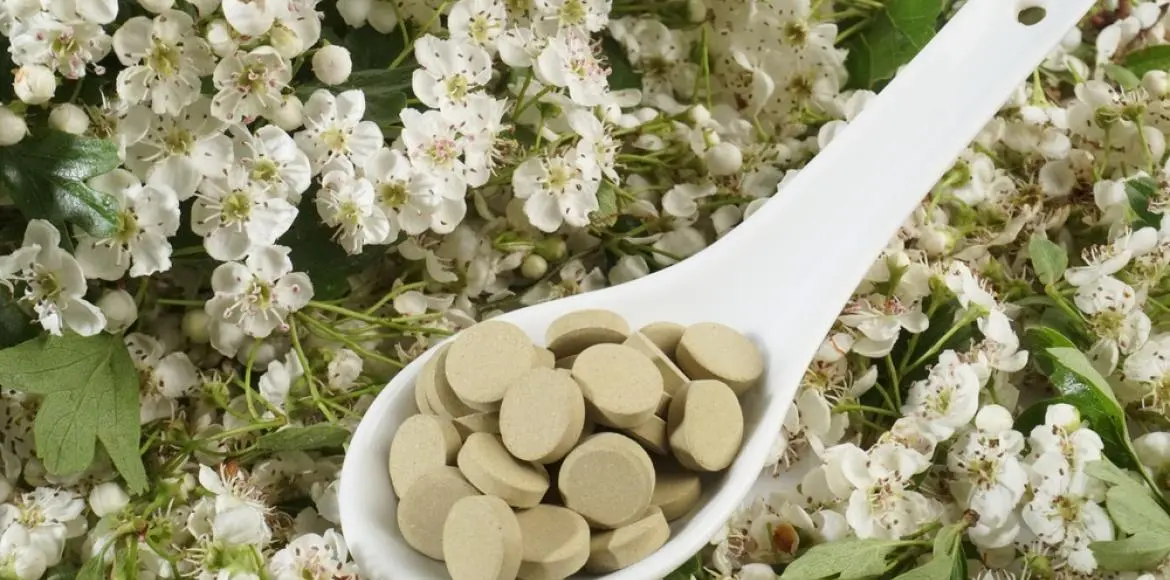
Against high blood pressure, diet remains the first lever: less salt, more fruits and vegetables, like the DASH diet. But certain food supplements can also help reduce pressure. With the advice of Angélique Houlbert, author of the guide Nutri Hypertension.
Magnesium
First supplement to consider: magnesium, which is involved in more than 300 biochemical reactions in the body. In particular, it plays a role in maintaining muscle and nerve functions, in regulating heart rate and blood pressure. “It improves the relaxation of smooth muscles in the arterial walls by blocking calcium channelsexplains Angélique Houlbert in her book Nutri Hypertension. It therefore has vasodilator properties, that is to say it improves the relaxation of the vessels. »
According to a meta-analysis of 34 studies involving more than 2000 participants (1), magnesium supplementation at a median dose of 368 mg per day for three months significantly reduced:
- systolic blood pressure 2.00 mmHg;
- diastolic blood pressure of 1.78 mmHg.
To learn everything about magnesium supplementation, read: Which magnesium to choose
Potassium
Potassium is, along with sodium, one of the most common electrolytes in the body. The balance between sodium and potassium plays a role in controlling blood pressure. If salt (sodium chloride) is not recommended for hypertensives, potassium intake, on the other hand, is favorable to cardiovascular health. Research on animal models has shown that it acts directly on the arteries, reducing calcification and stiffness, which would reduce the risk of atherosclerosis.
Its benefits have also been demonstrated in clinical trials. According to a meta-analysis of 23 studies including 1,213 people, potassium supplementation for more than a month reduces systolic and diastolic blood pressure (2).
To know about foods rich in potassium, read: The Best Sources of Potassium
Hawthorn
Hawthorn (Crataegus monogyna) is a shrub of the Rosaceae family which generally flowers in May, hence its nicknames “May wood” or “May thorn”. In herbal medicine, it is recommended for its action on the heart and blood vessels. It would also be calming.
A pilot study showed that supplementation of 500 mg hawthorn extract for 10 weeks could reduce diastolic blood pressure (3). “Its flavonoids increase antioxidant capacity and improve the production of nitric oxide (NO) in the endothelium, which promotes better vasodilation,” explains Angélique Houlbert. The plant would also act as a diuretic.
Aged garlic extract
Garlic is traditionally recommended to lower blood pressure and improve cardio-metabolic parameters. “Sulfur deficiency may play a role in hypertension and be alleviated by supplementation with organosulfur compounds derived from garlic,” explains Angélique Houlbert.
Researchers from the University of Adelaide, Australia, have demonstrated the benefits of aged garlic extract in 50 people with hypertension. Participants received either 4 supplements of aged garlic extract per day (the equivalent of 2.5 grams of fresh garlic) or a placebo for 12 weeks (4). Result: systolic pressure was reduced in supplemented people. For scientists, “aged garlic extract is considered safe and more tolerable than garlic powder, and superior to raw or cooked garlic with respect to its antihypertensive properties. »
To learn more about natural methods to combat high blood pressure, read: Nutri Hypertension
-
References
-
Historical
-
Zhang et al. Effects of Magnesium Supplementation on Blood Pressure: A Meta-Analysis of Randomized Double-Blind Placebo-Controlled Trials. Hypertension. 2016.
-
Poorolajal et al. Oral potassium supplementation for management of essential hypertension: A meta-analysis of randomized controlled trials. PLOS One. 2017.
-
Walker et al. Promising hypotensive effect of hawthorn extract: a randomized double-blind pilot study of mild, essential hypertension. Phytother Res. 2002.
-
Ried et al. Aged garlic extract lowers blood pressure in patients with treated but uncontrolled hypertension: A randomized controlled trial. Maturitas. 2010.
- 02/19/2026