
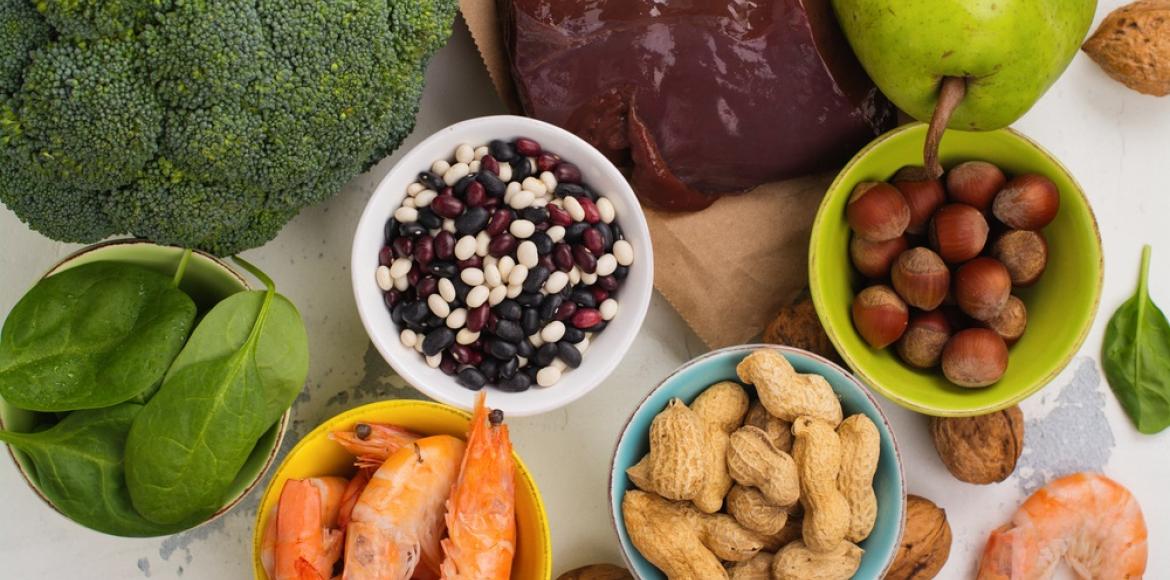
Vitamin B9 should not be neglected, even less so when planning a baby. Why should we consume it? How much ? What are the best sources?
What is folic acid (or vitamin B9)?
Definition
Folic acid is a so-called water-soluble vitamin, that is to say soluble in water. Certain foods provide a significant intake of vitamin B9, particularly leafy vegetables. In some cases, vitamin B9 supplementation may be useful. Details.
What is the role of folic acid?
Essential to the proper functioning of the body, it is involved in numerous chemical reactions and participates in numerous functions:
- Formation of red blood cells,
- Functioning of the nervous system,
- Functioning of the immune system,
- Formation of cells (especially in the healing process of wounds and wounds)
- Closure of the neural tube in the fetus (thus preventing birth defects)
Folates are particularly important when you want to get pregnant (an adequate intake of folic acid) protects the child from certain malformations (spina bifida, cleft lip-heart malformation)), during childhood and adolescence.
What are the benefits of vitamin B9?
- Avoiding certain birth defects (neural tube defects)
- Reduce the risk of cardiovascular disease
- Fight depression
- Prevent Alzheimer’s disease
- Slowing down Parkinson’s disease
- Fight against cancer
What are the symptoms of vitamin B9 deficiency?
Symptoms of vitamin B9 deficiency are: anemia with weight loss, diarrhea, asthenia; in serious cases, psychological disorders, epilepsy, depression.
How to raise your folate levels?
As the body does not synthesize it, it is necessary to provide it through foods that are rich in it.
LaNutrition recommends an intake of 400 μg/day for men and women, and 600 μg/day for pregnant women.
How to take a folic acid food supplement?
Vitamin B9 supplements are authorized by the EFSA for several health claims including growth of maternal tissues during pregnancy, normal metabolism of amino acids, formation of blood cells, metabolism of homocysteine, normal functioning of the immune system, reduction of fatigue, normal mental functions, cell division.
Vitamin B9 and pregnancy
Folic acid is one of the essential vitamins for pregnancy. What’s more, folate levels must be monitored a few months even before conception and supplementation must be implemented in the event of a deficiency.
For Magali Walkowicz, author of future mother’s food guide“ Vitamin B9 nutritional supplements remain strongly recommended from the moment of pregnancy, ideally at a dose of approximately 400 ug per day and throughout pregnancy. “.
During pregnancy the need for vitamin B9 increases, pregnant women who do not consume enough can suffer dramatic consequences including growth retardation, risk of premature birth, miscarriage, in prevention of certain malformations and diseases.
Vitamin B9 acts in synergy with vitamin B12, which also has an important role in the body during pregnancy (development of the central nervous system during the first weeks).
The best sources of B9 in food
What foods are richest in vitamin B9?
- Offal
Offal, especially poultry, veal and pork livers, is rich in vitamin B9 with a content between 300 and 700 µg/100 g.
Be careful of offal if you are pregnant : they are certainly rich in vitamin B9 but also in vitamin A. And this vitamin, in high doses, is dangerous for the fetus.
- Cod liver
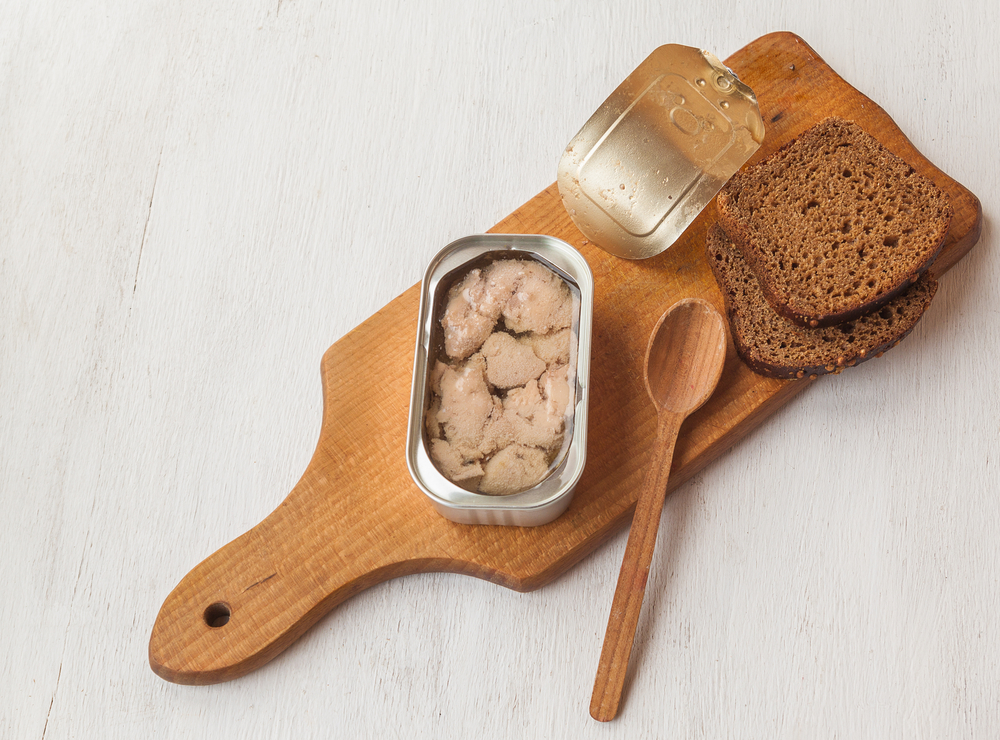
Cod liver provides 188 mcg/100 g of vitamin B9. It’s also a good source of vitamins A and D as well as omega-3!
- Cooked lentils
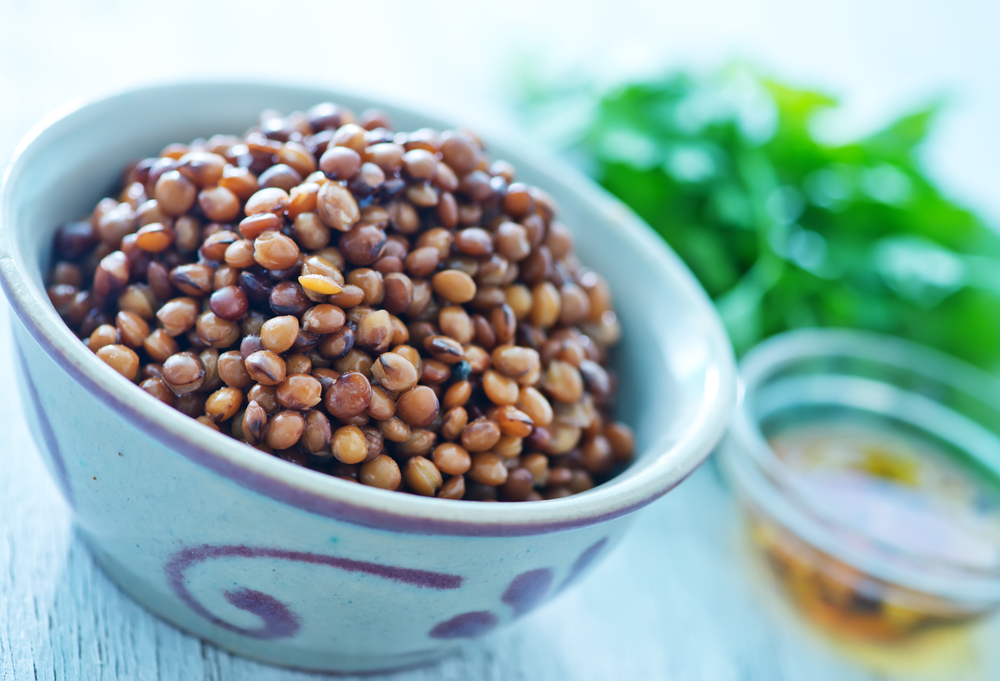
Lentils are excellent sources of antioxidants, but also of iron, zinc and vitamin B9; they contain 181 mcg/100 g of the latter.
- Egg yolk
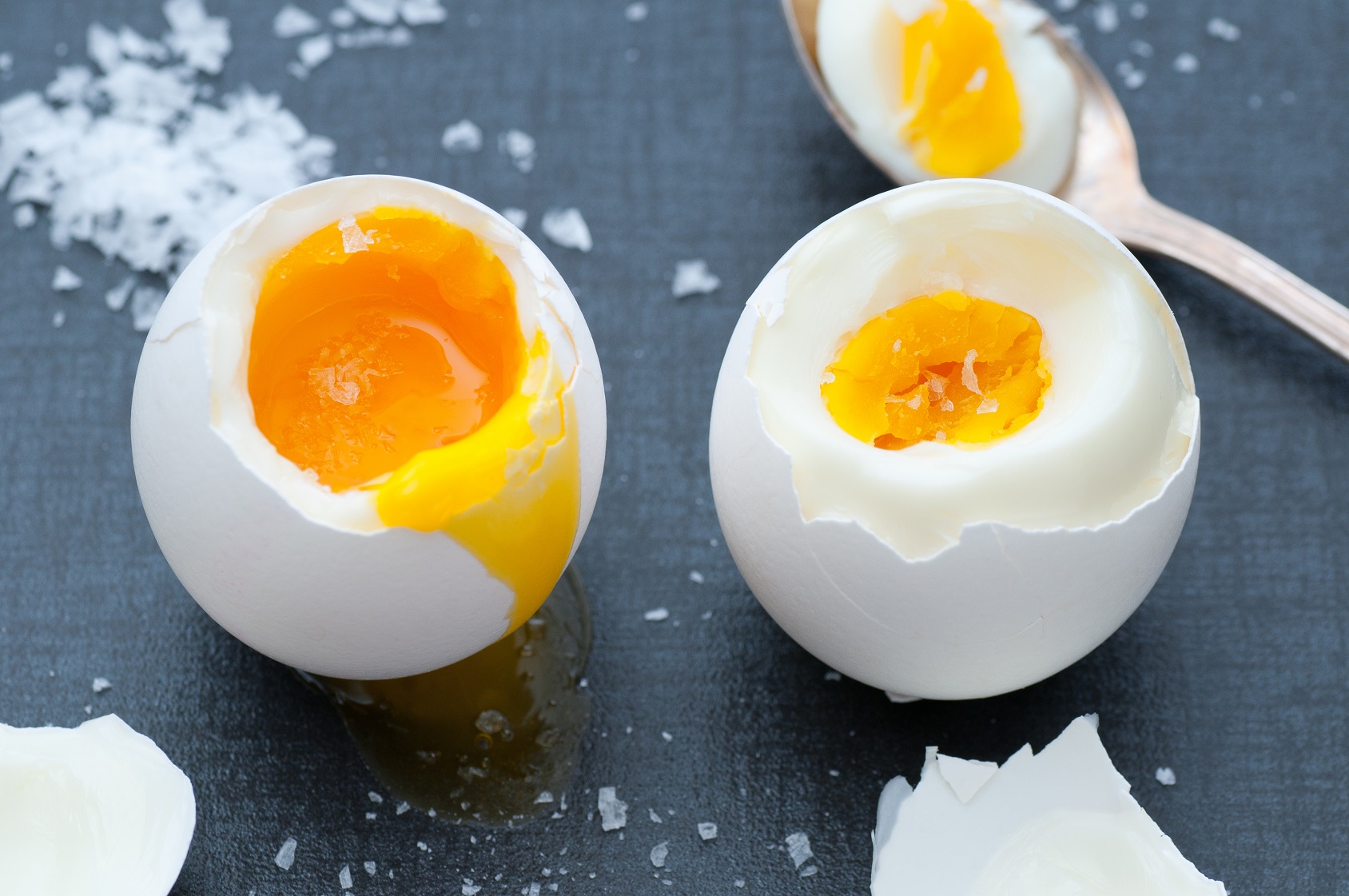
Egg is an easy food to prepare and an excellent source of protein. It also contains vitamin B9 (166 mcg/100 g) choline, an excellent vitamin for pregnant women, and carotenoids which protect the eyes and vision.
- Cooked spinach
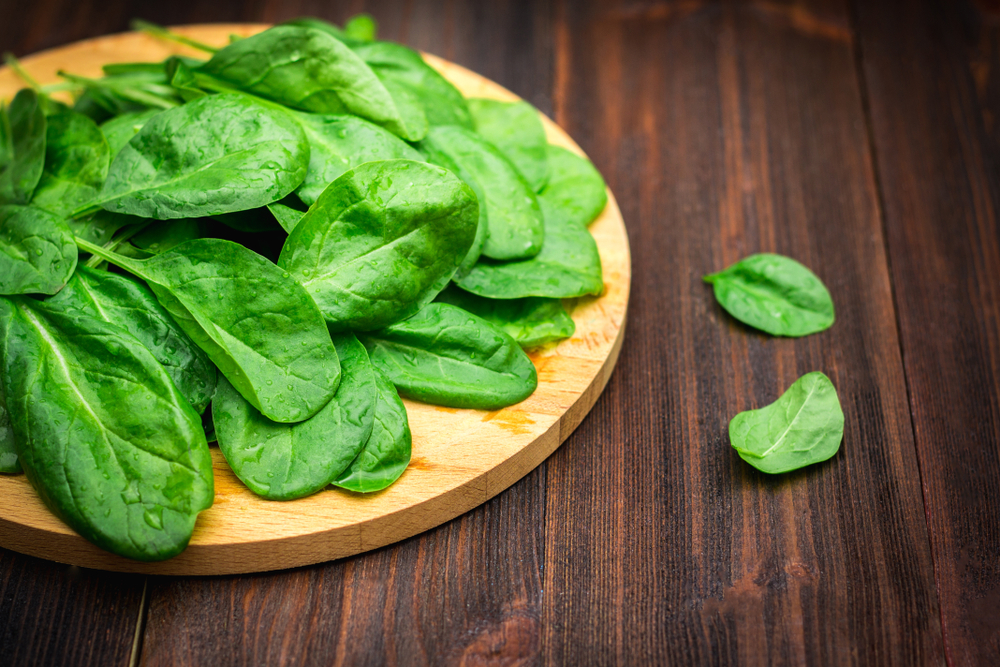
Spinach is an excellent source of vitamin B9: it contains 125 mcg/100 g. They also contain vitamin C, vitamin A, vitamin K as well as powerful antioxidants.
- Hazelnuts
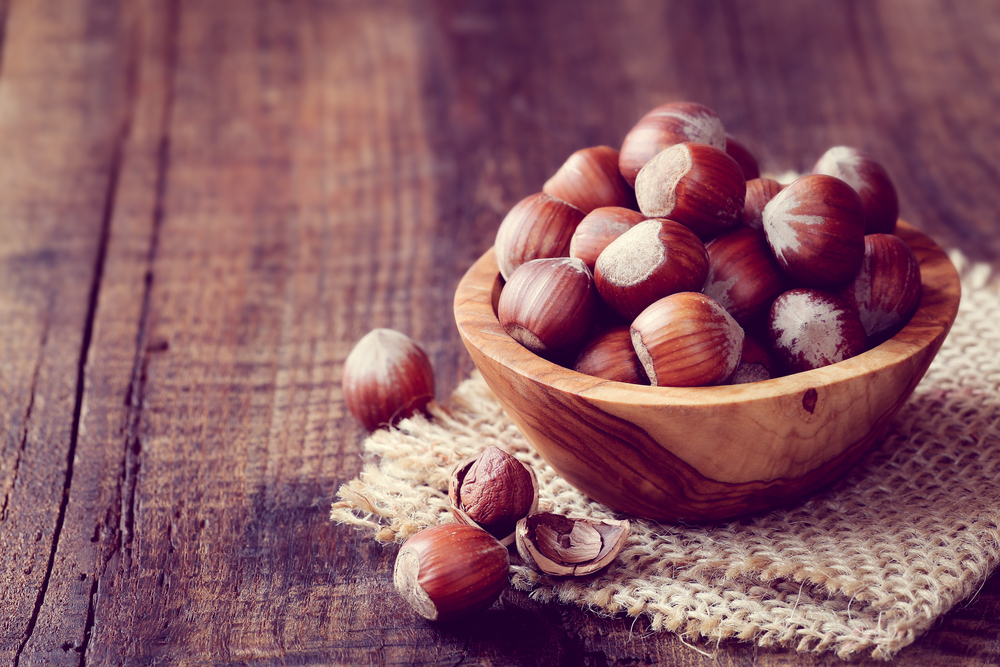
Hazelnuts are good “food supplements” due to their richness in minerals and their ease of daily use (in case of cravings, as an aperitif, in salads, etc.). Like spinach, it contains 125 mcg of vitamin B9 /100 g.
- Split peas
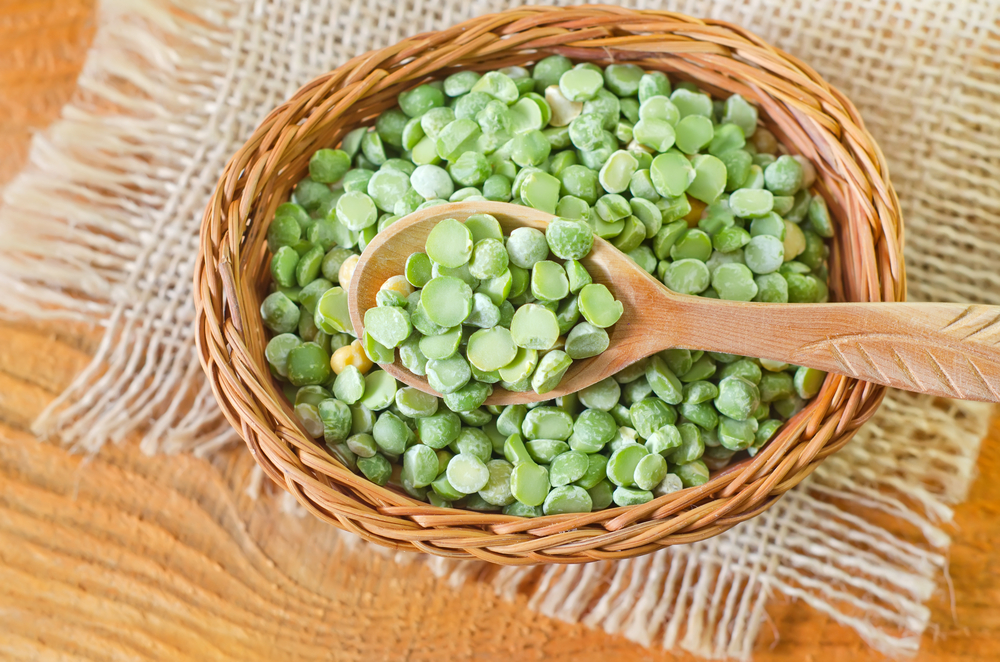
Split peas are part of legumes and although they contain a lot of iron, they are also interesting for stocking up on vitamin B9 with a content of 119 mcg/100 g.
- Brussels sprouts
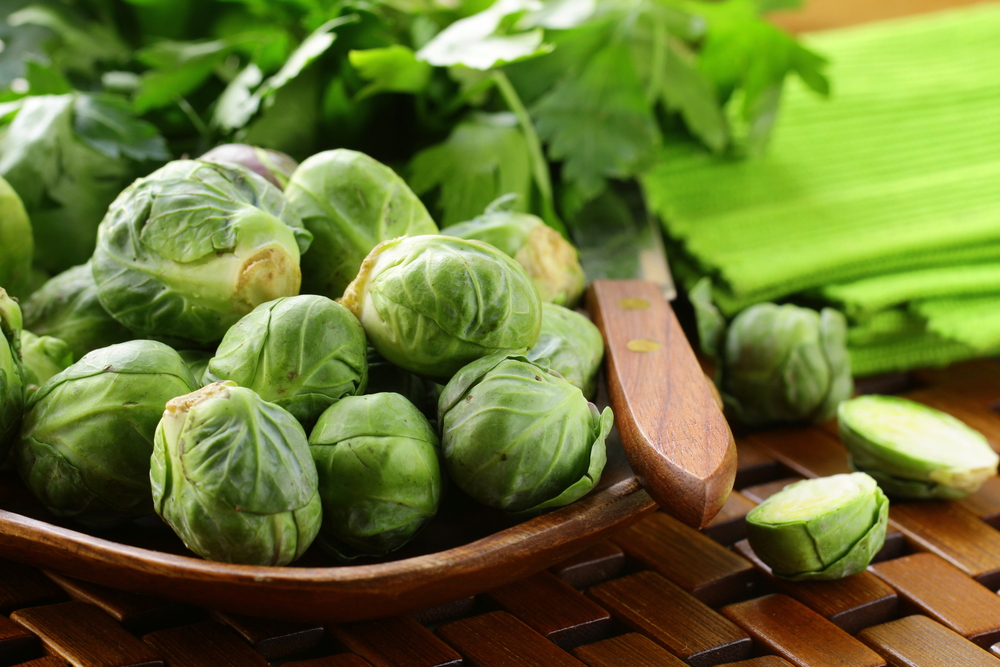
Brussels sprouts are rich in vitamin C, antioxidants, and are also good suppliers of vitamin B9: they contain 113 mcg/100 g.
- Fresh pollen
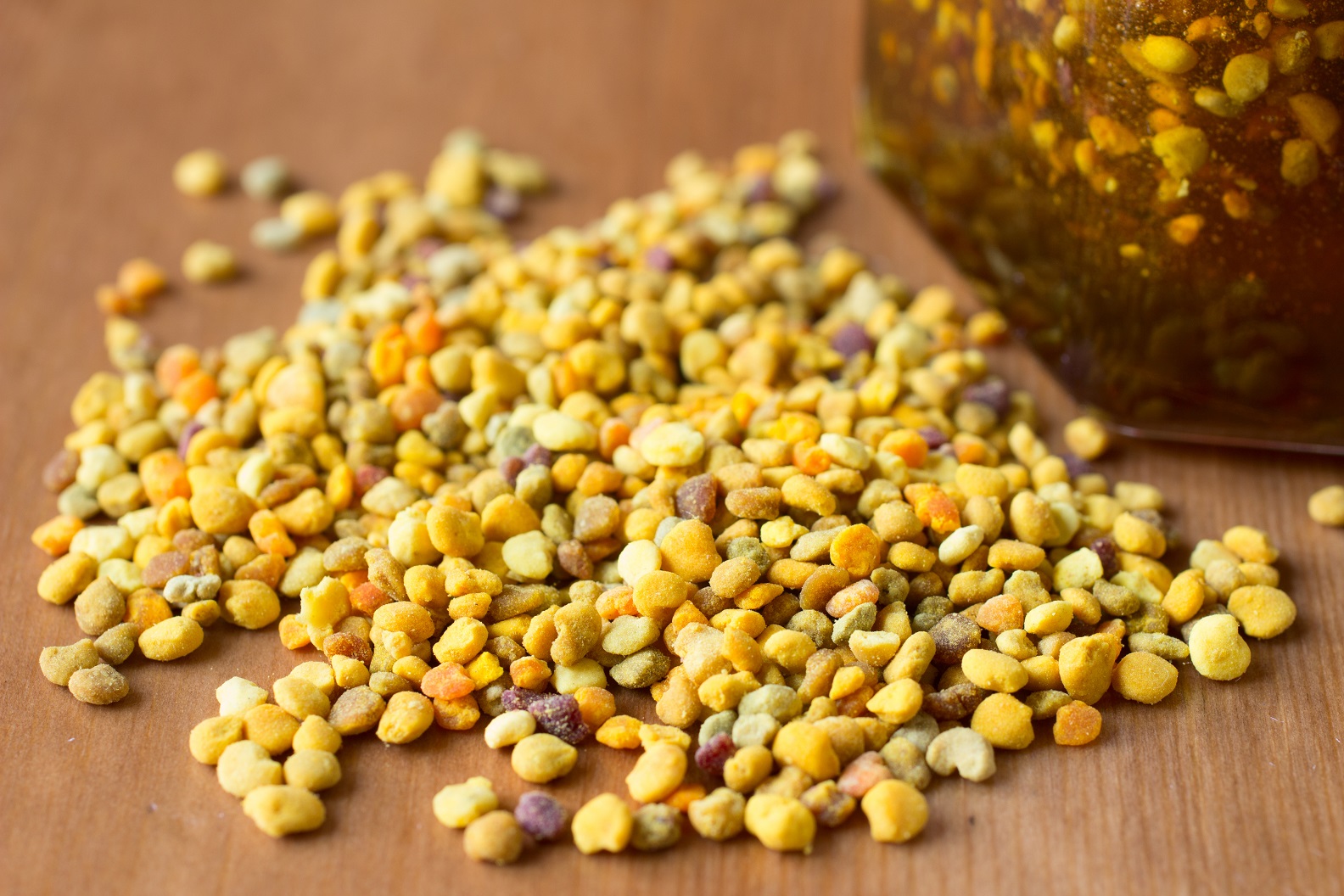
Coming from the hive, pollen is one of the “magical” foods thanks to its richness in minerals and vitamins, including B9: it contains 993 mcg/100 g.
- Chestnut flour
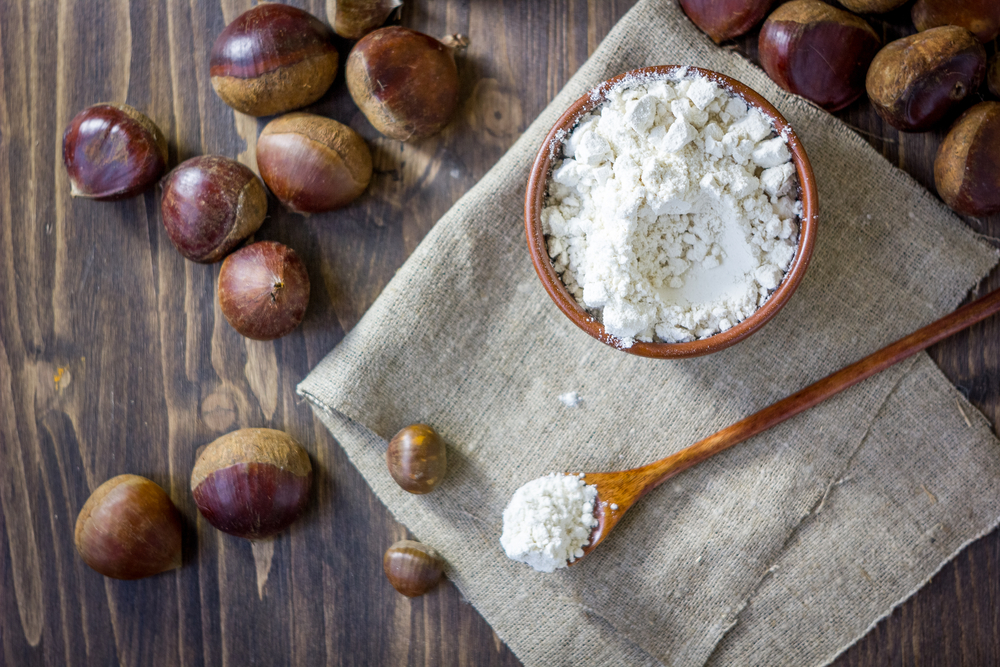
Thanks to its richness in minerals, the chestnut has many benefits. But it also contains B group vitamins including 215 mcg/100 g of vitamin B9. This is a good reason to cook it more often!
What other food contains vitamin B9?
- Butter beans: 389 mcg
- Roasted sunflower seed: 238 mcg
- Kombu seaweed (kelp): 180 mcg
- Chickpeas: 172 mcg
- Raw cabbage: 166 mcg
- Fresh asparagus: 149 mcg
- Raw Nori seaweed: 146 mcg
- Escarole: 142 mcg
- Dark rye bread (Pumpernickel): 134.3 mcg