
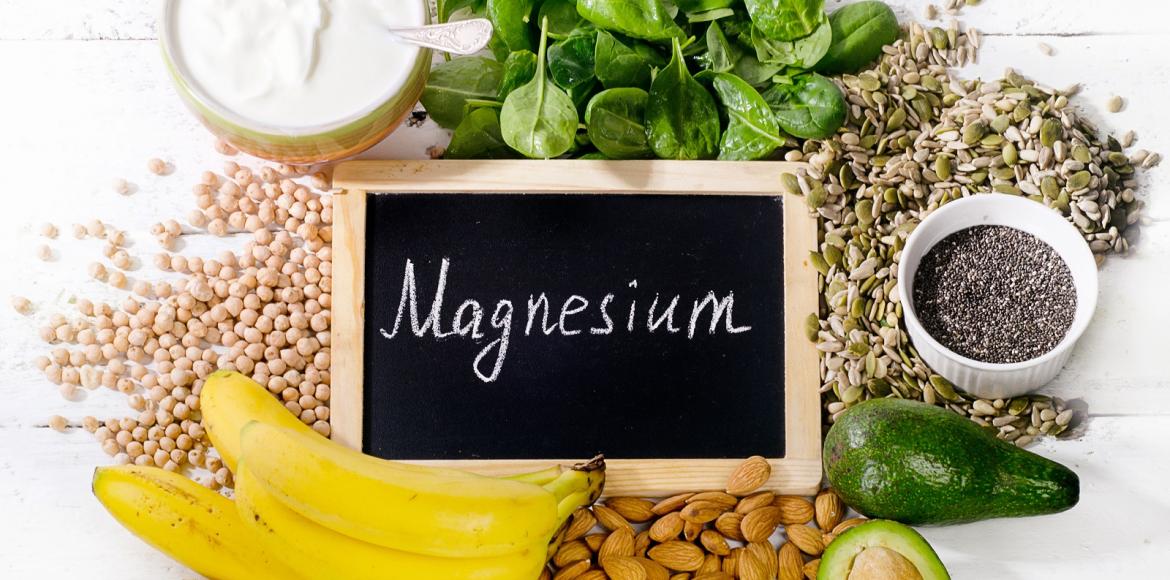
Magnesium is a mineral that plays an important role in the body, it participates in more than 300 metabolic reactions! But where do we find it? Here are the foods richest in magnesium.
Magnesium and your health
What is magnesium?
Magnesium is the fourth most abundant mineral in the body. The body contains 20 to 30 g of magnesium, 60 percent of which is found in bones. Magnesium is an important element of bones and tooth enamel. As such, it prevents cavities and osteoporosis.
What is the role of magnesium?
THE magnesium is necessary for more than 300 biochemical reactions. Here are some of them:
- Energy production and glucose metabolism.
- Transmission of nerve impulses.
- Muscle contraction.
- Regulation of heart rate.
- Protein synthesis, as well as the synthesis and degradation of DNA (deoxyribonucleic acid).
What are the benefits of magnesium?
- Reduce high blood pressure
- Reduce high blood pressure during pregnancy
- Prevent and treat cardiovascular diseases
- Treating attention deficit hyperactivity disorder (ADHD)
- Relieve premenstrual syndrome
- Relieve stress and anxiety
- Treat diabetes
- Prevent osteoporosis
- Prevent cavities
- Prevent asthma and emphysema
- Relieve migraines
What magnesium intake is recommended?
If studies are to be believed, the French do not consume enough magnesium. And you, what do you need in magnesium? Unless you eat a balanced diet or take supplements, it is likely that you are deficient in this essential mineral.
The ANC for magnesium is set at 6 mg per day per kilo. On average this represents a daily intake of 420 mg for a man and 330 mg for a woman. Intake should be increased by 25 mg per day in adolescents, 40 mg per day during pregnancy and 30 mg per day during breastfeeding. Elderly people also have an increased risk of magnesium deficiency.
The French SU.VI.MAX study shows that 75% of men and 77% of women are below the recommended nutritional intake. More worrying: according to this same study, 23% of men and 18% of women receive less than 2/3 of the ANC, a situation which characterizes a high risk of deficit.
In total, the average intake per day is estimated at 280 mg for women, 369 mg for men and 197 mg for children. According to dietary surveys, the French get most of the magnesium consumed from bread, rusks, milk, vegetables, meat and fruit.
A magnesium deficiency makes you more sensitive to stress; it can increase the risk of diabetes, cardiovascular risk, and in children can promote hyperactive behavior.
How to stock up on magnesium?
L’absorption of magnesium takes place in the intestine, 30 to 50 percent of dietary magnesium is absorbed there, a mechanism which is disrupted by the presence of large quantities of calcium, phosphates, oxalic acid (spinach, rhubarb), phytic acid (whole grains), long-chain saturated fats. On the other hand, absorption is facilitated by a diet rich in protein, vitamin D, as well as antibiotics and growth hormone.
As is the case for many essential nutrients, there is a magnesium filtering mechanism in the kidneys. 20 percent of the mineral present in the serum is thus filtered. The kidneys recover half of it, and therefore eliminate 120 to 150 mg per 24 hours. Diuretics and alcohol accentuate this elimination.
Where to find magnesium in food?
Magnesium is found in various foods, including cocoa, nuts, seafood and certain mineral waters.
Cocoa and dark chocolate
Unsweetened cocoa powder contains 500 mg of magnesium per 100g. As for 70% dark chocolate, it contains 120 mg per 100 g.
Nuts and oilseeds
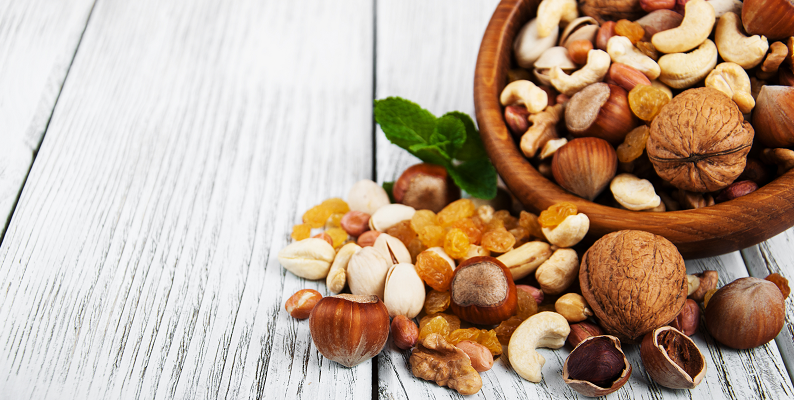
This family of foods is one of the best sources of magnesium. There we find:
- Pumpkin seeds (592 mg per 100 g)
- Flax seeds (372 mg per 100g)
- Brazil nuts (367 mg per 100 g)
- Sunflower seeds (364 mg per 100 g)
- Almonds (232 mg per 100 g)
- Cashews (223 mg per 100 g)
- Peanuts (193 mg per 100 g)
- Hazelnuts (173 mg per 100 g)
- Nuts (158 mg per 100 g)
You can enjoy them as a snack, make nut bars, make dishes with sauces or as an aperitif. Easy to use and store, they are your best allies for cover your needs daily!
Seafood
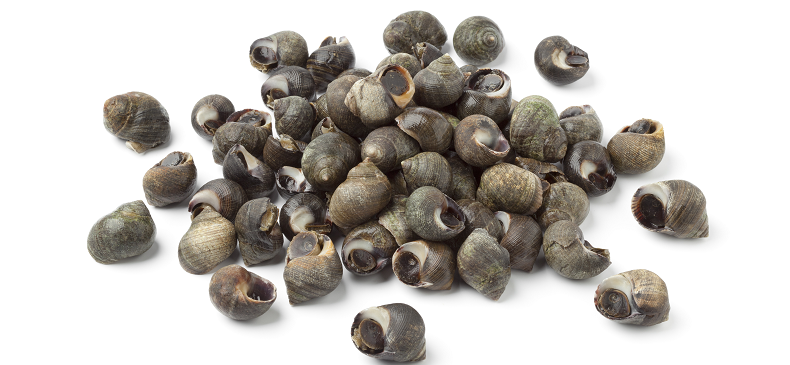
Seafood is very interesting nutritionally speaking, and not just for omega-3 or zinc.
- The periwinkles (300 mg per 100 g)
- Cooked whelks (144 mg per 100 g)
- Marinated anchovies (101 mg per 100 g)
- Oysters (98 mg per 100 g)
- Cooked mussels (75 mg per 100 g)
- Scallops (62 mg per 100 g)
- Cooked shrimp (61 mg per 100 g)
They can be eaten raw for some, cooked for others, as a gratin or with pasta…. There is no shortage of recipes!
Cereal products
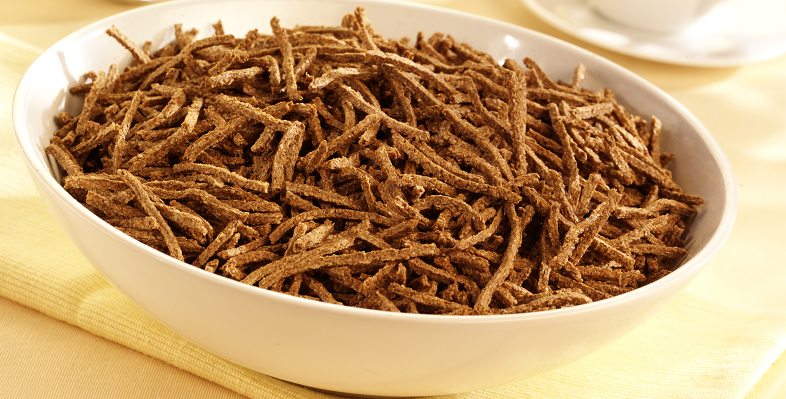
Cereals are good sources of magnesium, to be used as an accompaniment to dishes especially:
- •All bran (Kellogg’s) (370 mg per 100 g)
- Wheat germ (250 mg per 100 g)
- Buckwheat (231 mg per 100 g)
- Oats (177 mg per 100 g)
- Wholemeal sandwich bread (167 mg per 100 g)
- Multigrain sandwich bread (156 mg per 100 g)
- Oat flakes (148 mg per 100 g)
- Brown rice (143 mg per 100 g)
- Rye (121 mg per 100 g)
Mineral waters

To help you make up for your probable magnesium deficiency, consider accompanying your meals with mineral water which contains good quantities:
- Rozanna (160 mg/L)
- Hepar (110 mg/L)
- Quezac (95 mg/L)
- Ardesy (92 mg/L)
- Contrex (84 mg/L)
Fresh and dried vegetables
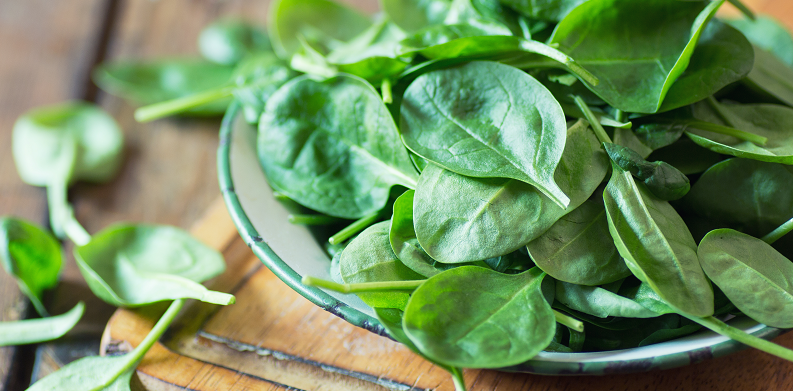
It is mainly green vegetables that provide magnesium:
- Cooked spinach (53 mg per 100 g)
- Cooked mung beans (60 mg per 100 g)
- Cooked white beans (60 mg per 100 g)
Fresh and dried fruits
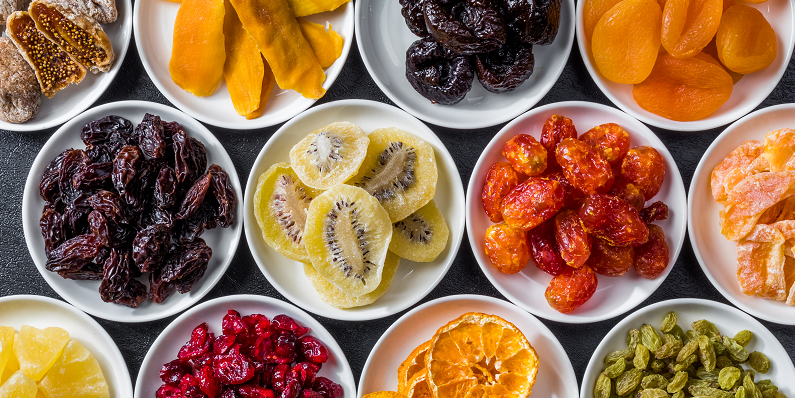
Dried fruits are excellent sources of magnesium:
- Dried banana (108 mg per 100 g)
- Blackcurrant (105 mg per 100 g)
- Prickly pear (77 mg per 100 g)
- Dried fig (52 mg per 100 g)
- Dates (47.3 mg per 100 g)
- Banana (35 mg per 100 g)
In a muesli for breakfast, after a sports session, at the end of a dinner, or during a walk in the forest, dried fruits are ideal partnerseasy to transport, store and eat!
Top 10 foods rich in magnesium
1. Cocoa
2. Pumpkin seeds
3. Flax seeds
4. Brazil nuts
5. The All Bran
6. Sunflower seeds
7. Periwinkles
8. Wheat germ
9. Almonds
10. Buckwheat