
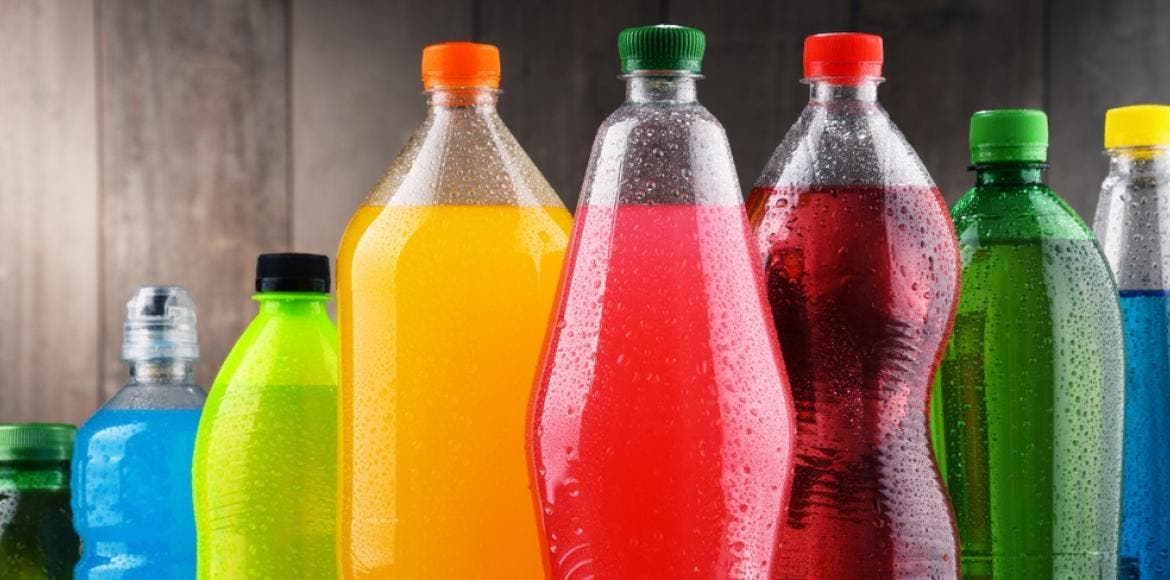
People who drink sugary drinks and “light” have an increased risk of type 2. diabetes. The risk is paradoxically higher with “light” drinks.
Diabetes affects more than 3 million people in France, 90 % of whom suffer from type 2. diabetes. If it is established that the consumption of sugary drinks is associated with an increase in the risk of obesity and type 2 diabetes, the effect of “light” sugary drinks on cardiometabolic diseases is less well known. While they are often presented as healthier, they seem to have a direct effect on metabolism.
Sugar -free drinks: what risk of becoming diabetics?
One soda light per day increases your risk of diabetes by a third party
An Australian study which followed more than 36,000 adults for almost 14 years found that the consumption of a daily boring drink can increases the risk of type 2 diabetes by 38 %, against 23 % for conventional sugar drinks (1). Surprisingly, the risk linked to light sodas is even higher than for conventional sugary drinks!
“The daily consumption of one or more of these drinks, whether sweet or with artificial substitutes, was associated with a significantly higher risk of developing type 2 diabetes”, said in a press release Dress Hussen Kabthymer, the main author of the study.
If the link between sugary drinks and diabetes is largely explained by obesity, that between artificially sweetened drinks and type 2 diabetes has remained strong even after adjusting the results as a function of weight, which suggests a potentially direct effect on the metabolism.
These results confirm a previous study by French researchers on the E3N cohort.
E3N study: a risk of diabetes doubled with light drinks
Led with 66,188 women in the E3N cohort, this study confirms an association between the consumption of sugary drinks and the risk of type 2 diabetes. But it also revealed for the first time in France A higher risk of diabetes with so -called “light” drinks which contain artificial sweeteners, only with sugary drinks (2).
The results show that women who consume “light” sugary drinks drink more than those who consume “normal” sugary drinks (2.8 glasses/week or 568 ml against 1.6 glasses/week or 328 ml on average, respectively).
Compared to those who do not consume them at all, women who drink the most sugary drinks (more than 359 ml/week) have a risk of diabetes increased by 34 % during the study (14 years); Those who drink the most “light” drinks (more than 603 ml/week) have a risk multiplied by 2.21. In equal quantity consumed, the risk of diabetes is higher when it comes to “light” drinks than sugary drinks. The risk of developing diabetes is 15 % higher for a consumption of 0.5 l/week and 59 % higher for 1.5 l/week respectively.
Read: Diabetes: particularly harmful additive combinations
Women who have drank 100 % pressed fruit juices have not seen their risk of diabetes increase.
The opinion of Thierry Souccar, director of Lanutrition.fr
This study on the E3N cohort confirms the already admitted link between the consumption of sugary drinks and the risk of diabetes: sugar promotes insulin resistance, which is the anteroom of the disease. As for sweetened drinks, studies are contradictory and the results must be interpreted with caution. At least two prospective studies, before it, also concluded that there is a artificially sweetened drinks and risk of diabetes (and metabolic syndrome): Multi-ethnic Study of Atherosclerosis, Framingham offspring. The San Antonio Longitudinal Study of Aging found an increase in weight and waist.
But by what mechanisms can sweeteners promote diabetes?
The possible mechanisms of artificial sweeteners
Work at the rat conducted at Purdue University has found that animals that receive artificially sweetened food eat more and grow more than those that receive sweet foods. Researchers conclude that artificial sweeteners disrupt the associated signals with a sweet taste, which is generally accompanied by calories. This would result in a compensation phenomenon to the following meals which can lead to storing calories in the form of fats, then to resistance to insulin. This compensation phenomenon has been observed in certain studies in humans (3), but not in others. More surprisingly, in a study that appeared sugar, Aspartame and Stevia, insulin secretion 30 minutes after ingestion was as high with sugar as with aspartame (4).
Dangers of sugar substitutes: results to be interpreted with caution
Prospective epidemiological studies only allow under certain conditions to conclude that a cause and effect relationship. These conditions do not yet seem to be met for drinks to artificial sweeteners and diabetes. Indeed, other studies, such as the Health Professionals Follow-Up Study (out of more than 40,000 men), published in 2011, have not found that these drinks increase the risk of diabetes (5). It is possible that the link found in the French study and in the two American studies between sweetened drinks and diabetes is explained by an inverted causal link, namely that people who drink sweetened drinks do it because they are too large, or because their state of health concerns them, for example in response to a diagnosis of blood sugar or high triglycerides or high blood pressure. The French also admit that their study has limitations. In particular, information on the type of drinks consumed would not have been updated during the study, and the diet itself was able to change. Other works point to a disturbance of the intestinal flora, which can explain the disruption of the response to glucose. While waiting to know more, lanutrition.fr has since originated a single speech: avoiding both sugary drinks and sweetened drinks!
Frequent questions
Sucralose or stevia: which one to favor?
Sucralose (E955) is present in the Canderel, a product which often appears at the head of the gondola in the radius of sweeteners of supermarkets. But it could have negative health effects according to recent studies. In 2018, Mexican researchers have shown that successful success is significantly decreasing insulin sensitivity in healthy people (6). Other works show a harmful effect on the composition of the intestinal microbiota (7) or even genotoxic at high dose (8).
The Stevia seems a safer choice. Many studies have evaluated the security of Stevia, and the conclusions are generally positive: no carcinogenic effects, no genotoxicity, no toxicity for reproduction or development. Stevia has no effect on blood sugar: it does not increase the level of sugar or insulin in the blood, which makes it suitable for diabetic people. Some studies suggest that Stevia could change the composition of the intestinal microbiota, but these effects are considered minor, without clinical consequences.
What is the best sweetener for a diabetic? What to replace sugar for diabetics?
In addition to Stevia, erythritol seems an interesting choice. It has no effect on blood sugar or insulin: it does not increase blood glucose or insulin, which makes it interesting for diabetics and people who follow a diet low in carbohydrates or keto. Erythritol would be less annoying for the intestines than the Xylitol (E967), of close structure, and other polyols (9). It is without risk regarding dental cavities. Recently studies have alerted to the potential risk of this sweetener on cardiovascular health.
In general, using sweeteners is not necessarily a good idea because they maintain the taste for sugar and could, as such, play a role in sugar dependence. Changes in lifestyle, from physical activity to weight loss, are also measures that can help limit the risk of type 2 diabetes.
What can sugar be replaced with?
In pastries, in addition to opting for sweeteners, it is possible to use other tips to reduce sugar, for example by choosing ingredients that enhance taste, such as dark chocolate, vanilla.