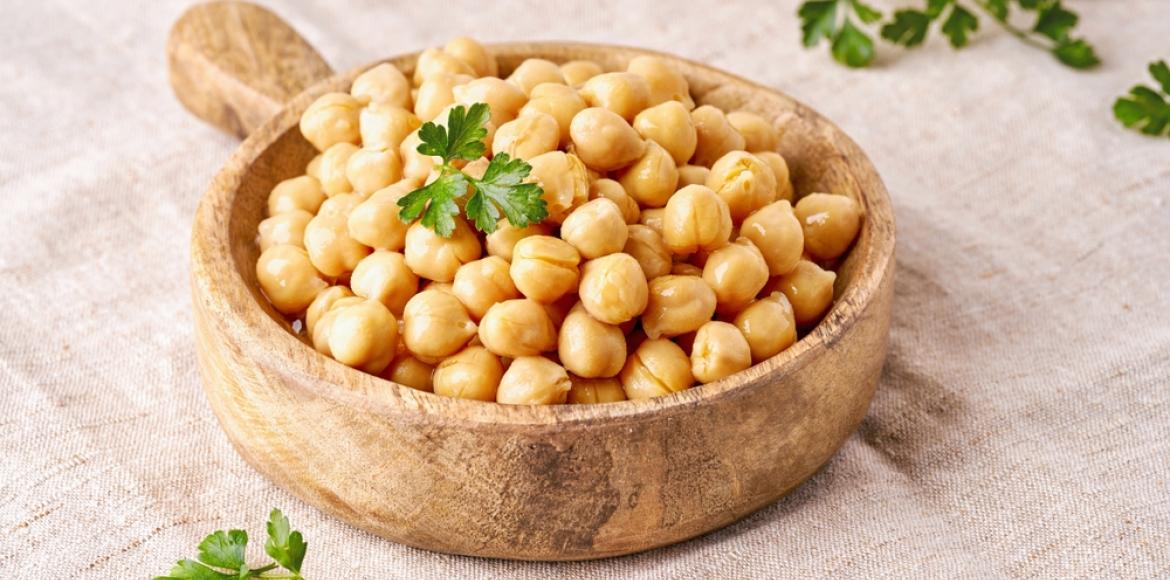
Chickpeas today occupy a central place in many cuisines around the world, particularly in the Middle East, India, North Africa and Mediterranean countries. Both nutritious and economical, they remain a mainstay of the modern diet, particularly in vegetarian and vegan diets.
Chickpea is a legume from the plant Cicer arietinum, belonging to the Fabaceae family. It appears in the form of small round seeds, beige in color, sometimes brown or black depending on the variety. There are mainly two types of chickpeas:
- The “Kabuli” chickpea, large and light, the most widespread in Europe.
- The “Desi” chickpea, smaller and darker, widely consumed in South Asia.
Environmentally, chickpeas are a sustainable choice. Their cultivation requires relatively little water and improves soil fertility thanks to their ability to fix nitrogen. In addition, their affordable cost and long shelf life make them a food accessible to everyone.
Nutritional richness
Chickpeas are particularly appreciated for their nutritional profile. They are rich in plant-based protein, making them a great alternative to meat. To obtain all the essential amino acids that consuming animal products provides, you must combine a legume with a cereal. Many traditional dishes make this combination: couscous, chili, dhal…
Chickpeas also contain a large amount of dietary fiber, promoting good digestion and a lasting feeling of fullness.
In terms of micronutrients, chickpeas provide iron, magnesium, phosphorus, potassium, as well as B vitamins, essential for energy metabolism. Their moderate glycemic index makes them an interesting food for regulating blood sugar levels.
Compared to other legumes, chickpeas are richest in magnesium and contain a good content of zinc and vitamin B9.
Health benefits
Regular consumption of chickpeas and legumes in general has many health benefits. Thanks to their high fiber content, they contribute to intestinal health (1) and the prevention of constipation.
Chickpeas also help reduce blood cholesterol (2) and blood sugar (3).
An intake of 400 g per week appears to provide a significant cardiovascular benefit by reducing the risk of certain cardiovascular diseases (2).
How to cook chickpeas
Soaking dried chickpeas, generally carried out for a period of 8 to 12 hours, allows the hydration of the seeds and a significant reduction of anti-nutritional factors, in particular phytates and other compounds responsible for intestinal fermentations. This step also improves the final texture and reduces cooking time.
One of the great things about chickpeas is their culinary versatility. They can be eaten whole, mashed, mixed or even roasted. They are found in emblematic dishes such as hummus, falafel, chickpea curry, socca, panisse and even mixed salads.
Chickpeas can be cooked hot or cold, included in soups, stews or vegetarian dishes. Chickpea flour, naturally gluten-free, is also widely used in cooking to make pancakes, pancakes or sauces.
Recipes
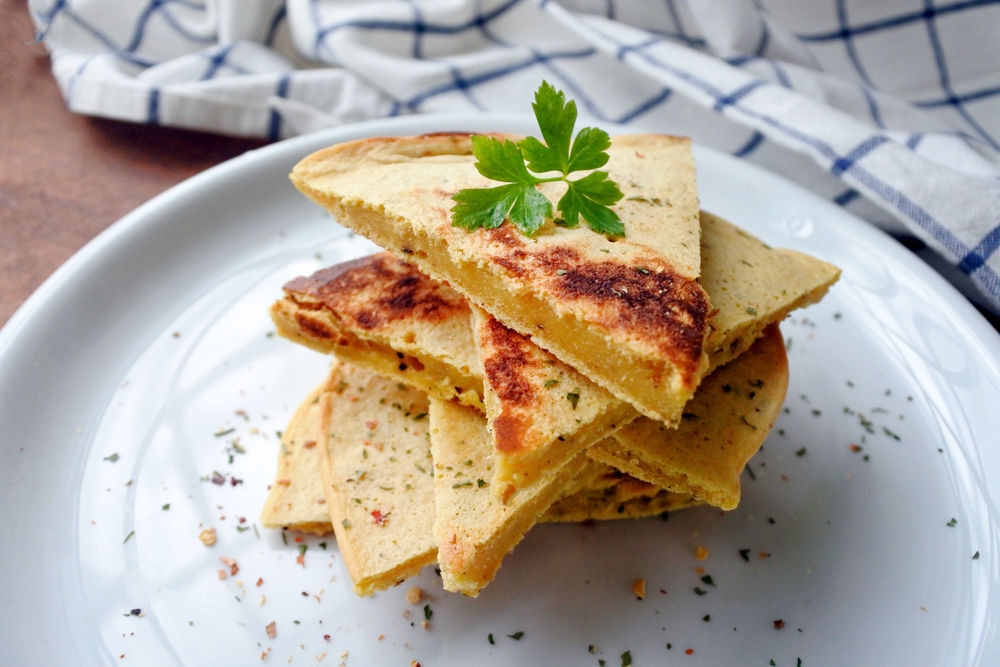
Socca, a Nice specialty
Ingredients for 4 to 6 people
- 250 g chickpea flour
- 50 cl of water
- 4 tbsp. tablespoon of olive oil
- 1 tbsp. to c. level of salt
- Black pepper
Preparation
Mix the flour and salt. Add the water gradually while whisking to avoid lumps. Stir in 2 tbsp. to s. olive oil.
Let sit for at least 30 minutes (ideally 1 hour). Preheat the oven to 240–250°C.
Place a large metal baking dish or oiled baking sheet in the oven so that it is hot. Pour the dough (thin layer of 2–3 mm) into the very hot dish.
Bake for 10–15 minutes until the surface is golden brown with brown spots. Season generously with pepper when removed from the oven.
Marseille panisse
Ingredients
- 250 g chickpea flour
- 1 liter of water
- 1 tbsp. to c. salt
- 2 tbsp. to s. olive oil
- Vegetable oil
Preparation
Bring the water to a boil with the salt and olive oil. Pour in the flour while whisking briskly. Continue to cook over low heat for 8–10 minutes, stirring: the dough thickens significantly (very firm polenta consistency). Pour immediately into an oiled mold (2–3 cm thick). Smooth and let cool completely for at least 1 hour.
Unmold and cut into slices or sticks. Fry for 3–4 minutes at 170–180°C until golden brown. Salt lightly upon exit.
Other recipes:
-
Karantita
-
Hummus
-
Vegetarian couscous
-
Chickpea, almond and dried apricot curry
-
Historical
- 03/26/2026