
Born in Greece and married to a Frenchman, Evi Siougari teaches Greek cuisine. After Greek Islandsshe publishes a new book: I eat Mediterranean like in Greecewith 120 recipes.
Illustration © Dionyssis Giakoumis
The Greek islands occupy a special place in the history of Mediterranean food. Who hasn’t heard of the Cretan diet, supposedly one of the best in the world? Ikaria – another Greek island – is recognized as one of the five “blue zones”, these regions of the world where people live particularly long.
Read: The health secrets of centenarians
To discover Greek cuisine and its many health benefits, follow the advice of Evi Siougari who lives in the Peloponnese where she grows olive trees with her husband. In addition to her agricultural activity, she gives cooking classes to French-speaking expatriates. She shares her passion in her new book, the second volume of a diptych devoted to Greek cuisine.
In 2024, we asked her about the specificities of the diet of the Greek islands, on the occasion of the release of her first book, Greek Islands.
LaNutrition: What are the typical ingredients of Greek island cuisine?
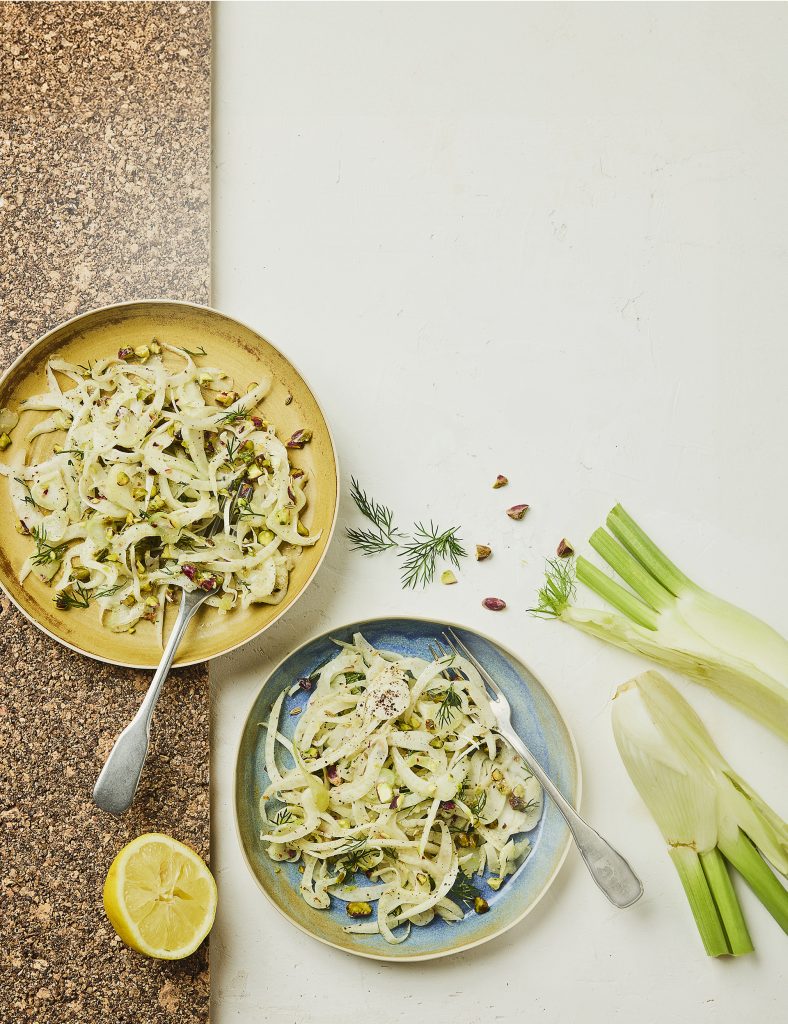
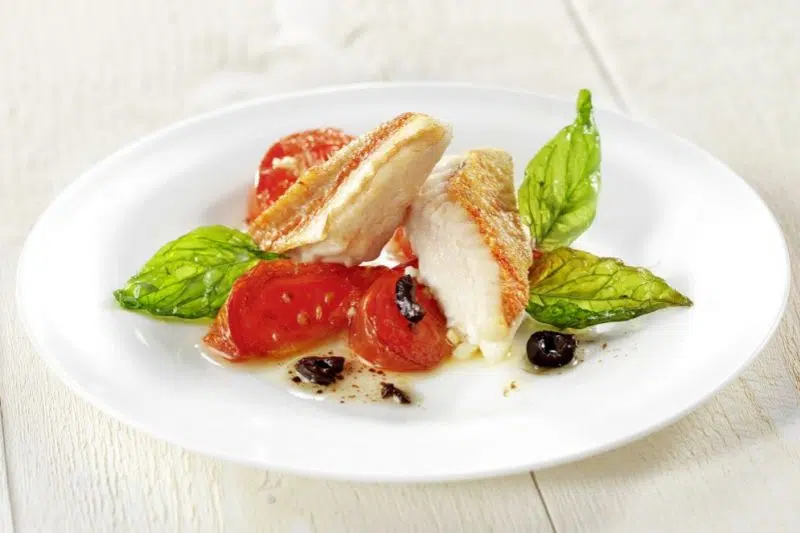
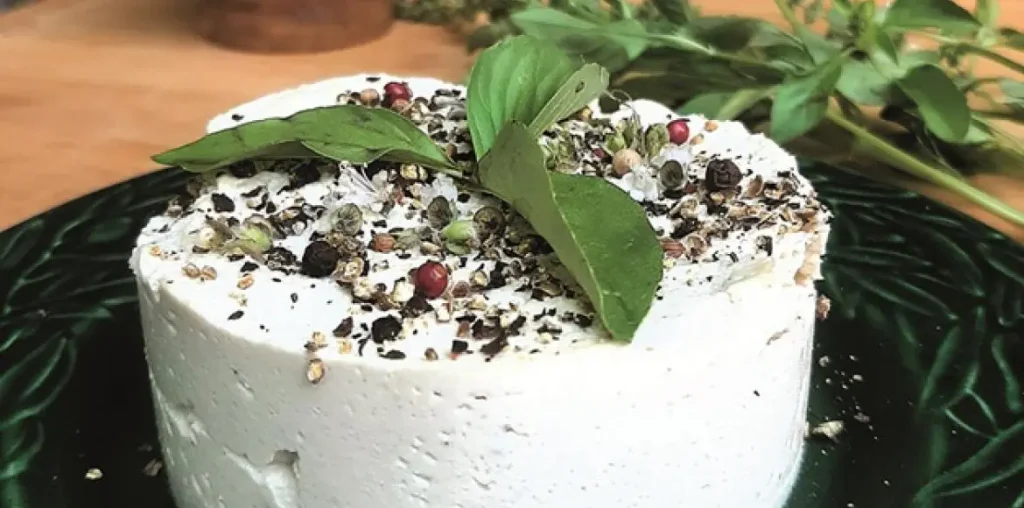
Evi Siougari: Western travelers who visited Greece in the 19e century, describe islanders consuming a very basic and repetitive food, made up of raw ingredients: whole grains, legumes, olive oil, wild herbs and little protein, provided mainly by fish and goat cheese. Well, with these same ingredients, sublimated and skillfully combined, the women of the islands first and the chefs later, brought island cuisine to the rank of haute gastronomy! Fava from Santorini, salted anchovies from Mytilene, Cretan olive oil, ordinary local products, are famous throughout Greece, even abroad! Of course, each island has specific ingredients, the name of which is often directly associated with it. We can mention the graviera from Naxos, the ouzo from Mytilene, the kumquats from Corfu, the sweet wine from Samos, the mastiha from Chios, the butter from Corfu…
Does the “Cretan diet” have any particularities?
After the Second World War, research carried out by American doctors in different Mediterranean countries demonstrated that the inhabitants of Crete aged in good health and developed fewer cardiovascular diseases than other populations. This good physical state was due to their simple and frugal diet, based on the consumption of olive oil, whole grains, vegetables and wild herbs, legumes, fruits and dried fruits. Dairy products were made exclusively from goat or sheep milk. Fish consumption was occasional, red meat exceptional. It is now proven that this type of diet can help the proper functioning of our heart, limit inflammation, etc.
But that’s not all! The Cretan lifestyle contributes to their good health. Herding goats and gathering wild plants require a lot of walking in mountainous terrain. Daily life is hard but punctuated by joyful moments like family or family celebrations. The importance of family and the security it provides also positively influences health by reducing stress. Everything that our modern societies lack! If it is difficult to go back, we can take inspiration from the Cretan way of life by favoring, for example, our social life and activity in nature, rather than locking ourselves up at home in front of a screen!
What are meals like in Greece? What are the differences with France?
The Greek breakfast is rather frugal, coffee and a small dry cake, most of the time. It can be completed with a snack around 10 a.m. or 11 a.m.: a pita, a cheese-filled turnover for example, or a koulouri, a small round sesame bread. Lunch is traditionally the meal taken together in Greek families. It takes place late in the afternoon, between 3 p.m. and 4 p.m. The evening meal is simple, fruit, yogurt or a small sandwich.
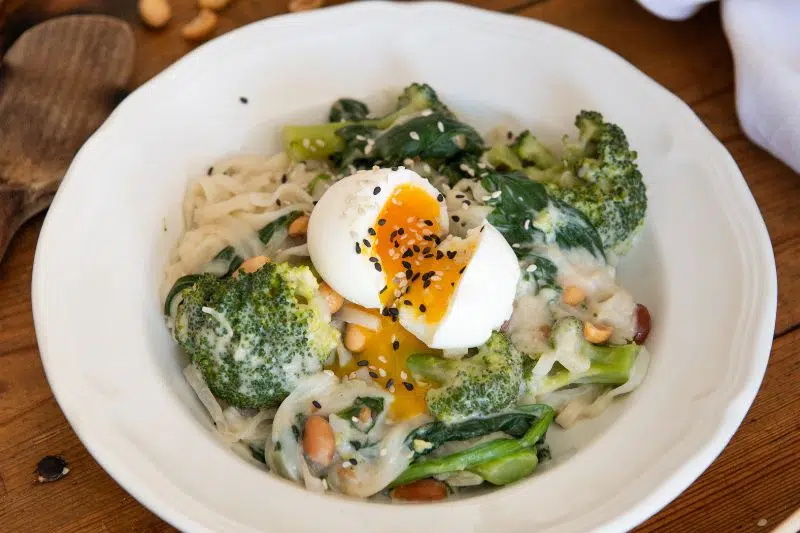
Whether it’s the daily meal or Sunday lunch with the family, the dishes are all served at the same time. Unlike France, the starter-main-dessert order is not followed! The salad, cheeses and starters are placed in the middle of the table and accompany the main course. Another particularity: cooked vegetables are not necessarily accompaniments to meat or fish but also dishes in their own right! Thus, the cheese placed in the middle of the table supplements the vegetarian dish with protein. Finally, most of the time, there is no dessert, the meal eventually ends with fruit. Sweets are taken outside of meals, for example with afternoon coffee.
On the other hand, outside the home, Greeks like to share! In a tavern, you don’t order separate dishes for everyone, the mezze plates follow one another and complement each other. The guests eat from the same plate, in a joyful and friendly sharing ritual!
To go further, read: Greek Islands And I eat Mediterranean like in Greece
-
Historical
-
Current version
on 04/03/2026 - on 02/06/2025
- 04/11/2024