
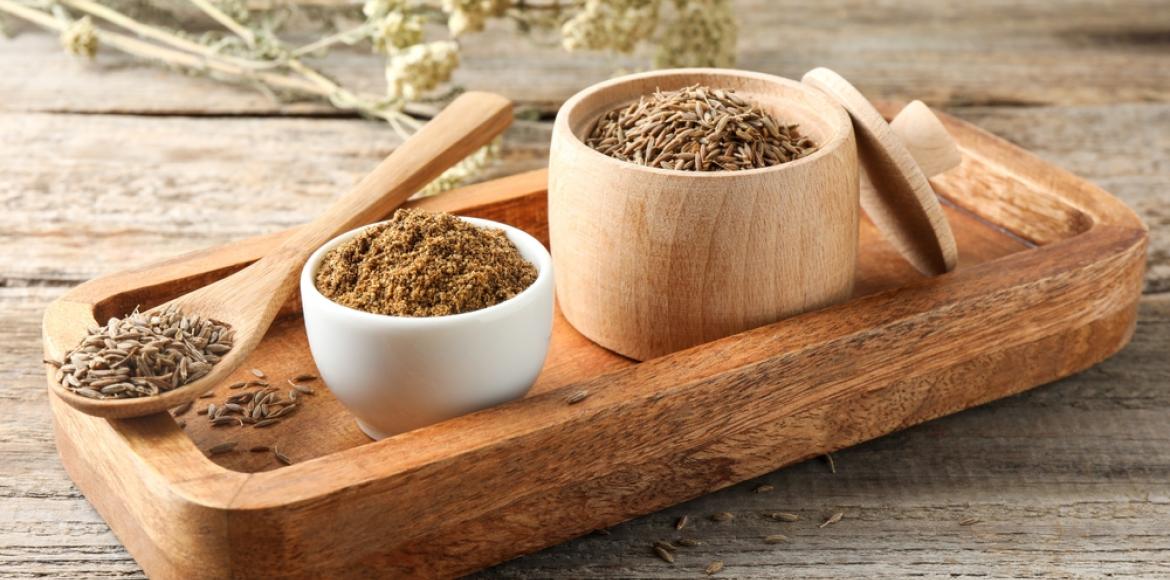
Originally from the Middle East and appreciated in various cuisines around the world, cumin is a spice that has crossed centuries and continents. With its slightly spicy flavor, it offers an original touch to dishes while providing health benefits.
The origins of cumin
Cumin (Cuminum cyminum) is an annual herb in the Apiaceae family, which also includes fennel and caraway. It is grown for its seeds, which are dried and used as a spice. Cumin has ancient origins, dating back to Mesopotamia, around 4000 BC. It is mentioned in ancient texts, including the Bible and the writings of Hippocrates. Highly appreciated in Middle Eastern cultures, it quickly spread to Europe, Asia and Africa.
Cumin is grown mainly in India, the Middle East, North Africa, as well as Spain and Mexico. Its seed is small, elongated in shape and brown-green in color, with a warm, slightly bitter flavor and a distinctive scent that may recall anise or caraway.
Read: Health, cooking: the spice guide (subscribers)
The benefits of cumin
Cumin is an excellent source of iron, an essential mineral for the production of red blood cells and the prevention of anemia. In fact, it contains 66.4 mg per 100 g. Its seeds are also rich in calcium and beta-carotene (1).
Cumin is renowned for its digestive properties. It stimulates the production of bile, which helps in the digestion of fats. It can also relieve bloating, flatulence and indigestion, especially in the case of irritable bowel syndrome (2).
Cumin has antioxidant and anti-inflammatory properties. The flavonoids and terpenoids it contains help fight free radicals and reduce inflammation in the body. This can help prevent certain chronic diseases and premature aging of cells.
Cumin has antimicrobial properties, meaning it can help fight certain bacterial and fungal infections. It can be used to support the immune system and prevent infections (3).
In the kitchen
Cumin is distinguished by its warm and spicy taste, with earthy nuances and a slight bitterness. It can be used in different forms:
- whole seeds: they add crunch and a subtle aroma to dishes;
- cumin powder: Ground cumin seeds are ideal for curries, soups, marinades and sauces.
Garam masala
In India, cumin is one of the main components of garam masala, a very popular spice blend. It is used to flavor curries, lentils, naans or stews. Garam masala can be added at the end of cooking to preserve the power of its aromas.
- Cumin
- Coriander
- Cardamom
- Cinnamon
- Cloves
- Black pepper
- Nutmeg
- Fennel
Tandoori masala
Also originating from India, tandoori masala is a spice blend intended primarily for marinating meats, such as tandoori chicken.
- Cumin
- Coriander
- Paprika
- Turmeric
- Garlic powder
- Powdered ginger
- Red pepper
- Garam masala
- Fenugreek (or methi)
- Black pepper
Chili powder
In Mexico, cumin is often combined with other spices such as chili, paprika or garlic.
Chili powder is an essential spice blend in Mexican cuisine. The cumin adds an earthy, slightly spicy note that complements the other flavors in the blend. This mixture is used to season Mexican dishes like tacos, burritos, chili con carne and spicy soups. It can also be added to sauces or marinades to add depth and heat.
- Cumin
- Garlic powder
- Onion powder
- Oregano
- Cayenne pepper
- Paprika
Ras-el-hanout
In Morocco, cumin is part of the composition of ras-el-hanout and is used in dishes such as couscous or tagine. It is a complex spice blend, it can include up to 30 spices. Its warm and spicy flavor goes well with dried fruits, almonds and root vegetables. Example of a short list:
- Cumin
- Turmeric
- Coriander
- Cinnamon
- Ginger
- Paprika
- Cloves
- Cardamom
- Black pepper
- Fennel
In Mediterranean, Middle Eastern and African cuisine, cumin is also a common ingredient, adding depth to dishes made with vegetables, meats and chickpeas.
Curry
Curry powder is a blend of spices that varies greatly depending on region and tradition. Cumin features often, providing a warm, earthy base to this blend. Curry powder is used in meat and vegetable dishes and in sauces.
- Cumin
- Coriander
- Turmeric
- Ginger
- Pepper
- Fennel
- Black pepper
- Powdered mustard
Berber
Berbéré is an essential spice blend in Ethiopian cuisine, particularly for preparing spicy stews like Doro Wat. Cumin is part of this mixture, which is very fragrant and spicy.
- Cumin
- Paprika
- Pepper
- Coriander
Za’atar
Za’atar is a traditional Middle Eastern spice blend. Although cumin is not always a main ingredient, it may be present in some variations of za’atar. Za’atar is used to flavor roasted vegetables, grilled meats or to be sprinkled on pita bread dipped in olive oil.
- Cumin (depending on the variant)
- Thyme
- Oregano
- Sumac
How to choose and store cumin
Cumin is easily found in most supermarkets and spice markets. To get the most out of it, it is advisable to:
- choose whole seeds rather than cumin powder, as they retain their flavor longer;
- Store cumin in a cool, dark place, away from humidity and heat, to preserve its aromas. If you buy powdered cumin, it is best to use it within six months of opening.
Recipe ideas
Find recipes using cumin on our site:
- Karantita
- Cucumber raita
- Hummus
- Vegetarian couscous
- Chickpea, almond and dried apricot curry
Other recipes in the book: Algeria
Read an EXTRACT>>
-
References
-
Historical
-
Ciqual, 2020.
-
Agah S, Taleb AM, Moeini R, Gorji N, Nikbakht H. Cumin extract for symptom control in patients with irritable bowel syndrome: a case series. Middle East J Dig Dis. 2013 Oct;5(4):217-22.
-
Singh N, Yadav SS, Kumar S, Narashiman B. A review on traditional uses, phytochemistry, pharmacology, and clinical research of dietary spice Cuminum cyminum L. Phytotherapy Research. 2021; 35:5007–5030.
-
Current version
on 06/16/2025 - on 03/04/2025
- 02/24/2025