A small study of people with metabolic syndrome found that green tea extract reduced blood sugar, inflammation and intestinal permeability.
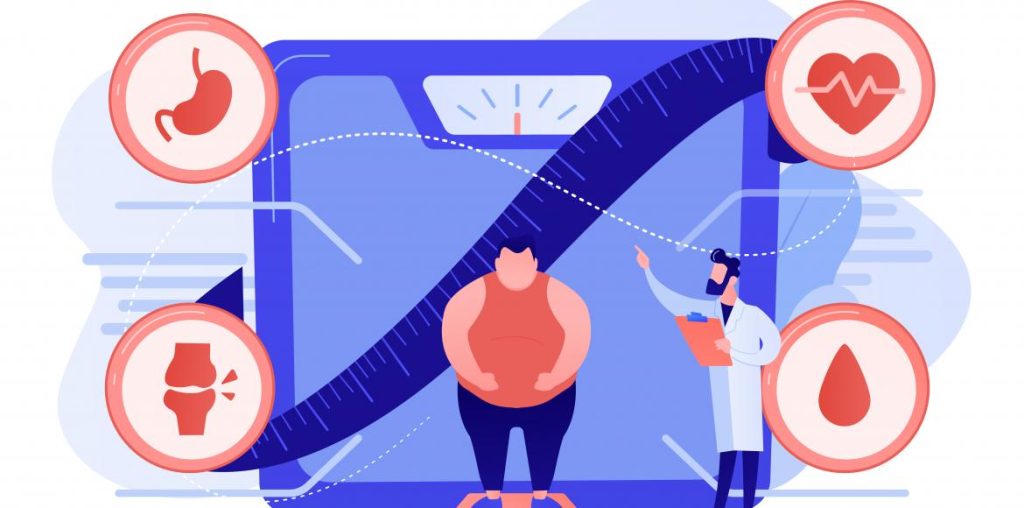
People with metabolic syndrome have at least three of five factors that increase the risk of heart disease, diabetes and other health problems: excess belly fat, high blood pressure, low HDL cholesterol (“good cholesterol”), high fasting blood sugar and triglycerides.
Against these problems, doctors recommend losing weight and exercising. But certain plant extracts also have potential to fight metabolic syndrome, as shown in a clinical trial carried out at Ohio State University.
Green tea against metabolic syndrome
This American study included 40 people: 21 with metabolic syndrome and 19 healthy adults. For 28 days, participants ate gummies containing green tea extract rich in catechins. Catechins are known for their anti-inflammatory properties.
Green tea polyphenols
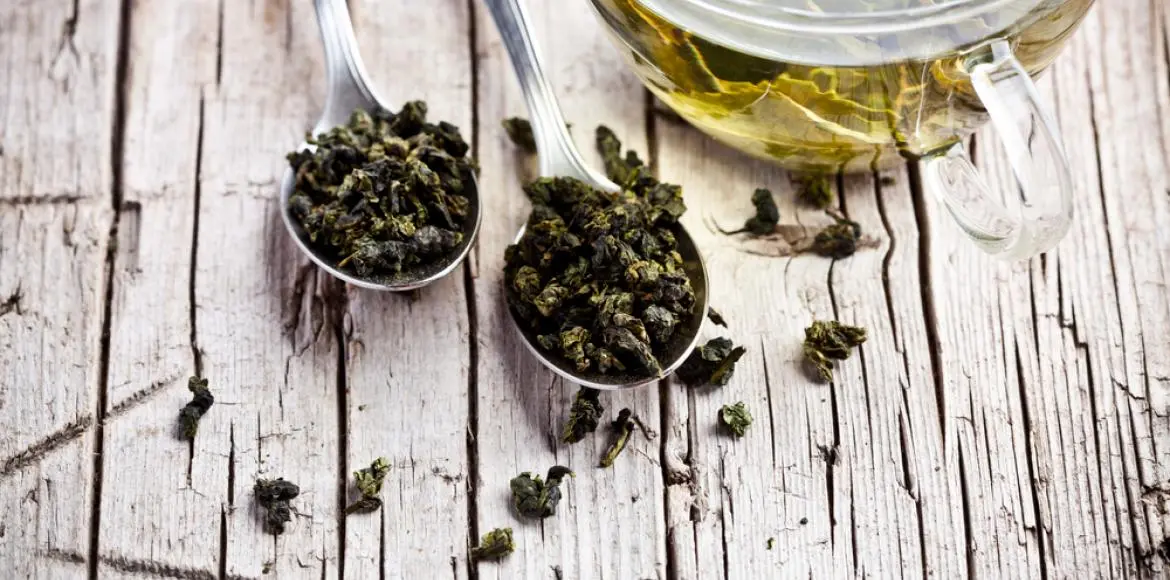
Green tea contains polyphenols, catechins, which provide beneficial effects for health. Among these molecules is epigallocatechin gallate (EGCG), which has antioxidant properties and supports the body’s inflammation response processes.
The dose consumed corresponded to five cups of green tea daily. After a month without supplements, participants took a placebo for 28 days.
Results: Compared to placebo, fasting blood sugar levels decreased in all participants with green tea. The researchers also observed a decrease in pro-inflammatory proteins in fecal samples, providing evidence of reduced intestinal inflammation. In addition, analyzes show that green tea reduces intestinal permeability, a phenomenon that feeds inflammation: if the intestine “leaks” (leaky gut in English), toxic compounds enter the bloodstream and stimulate chronic low-grade inflammation.
“What this tells us is that within a month we are able to reduce blood sugar levels in people with metabolic syndrome and in healthy people, and lower blood sugar levels appear to be linked to reduced intestinal permeability and inflammation, regardless of health status.”said Richard Bruno, professor of human nutrition, in a university press release.
Green tea: benefits and precautions for use
Green tea is known to help with weight loss. This effect would be due to a thermogenic action. The catechins in green tea appear to reduce appetite and promote weight loss. Studies also suggest that green tea helps lower total cholesterol and LDL cholesterol. Against hyperlipidemia, Brigitte Karleskind, author of Practical guide to food supplementsrecommends 250 mg per day of a green tea extract standardized for polyphenols and epigallocatechins.
Be careful, there are contraindications and adverse effects associated with taking green tea. They are listed in the Practical guide to food supplements. Here they are:
- If taking aspirin or warfarin, green tea extract may increase the risk of bleeding.
- Since green tea can reduce platelet aggregation, stop taking it two weeks before any surgical procedure.
- It is recommended to choose decaffeinated extracts to avoid side effects.
- May interfere with the effects of some heart medications, hay fever medications, antidiarrhea medications, or blood thinners.
- Very rarely extracts rich in catechins have been associated with liver problems.
Read also: Type 2 diabetes: ten allied plants
-
References
-
Historical
-
Hodges et al. Catechin-Rich Green Tea Extract Reduced Intestinal Inflammation and Fasting Glucose in Metabolic Syndrome and Healthy Adults: A Randomized, Controlled, Crossover Trial. Current Developments in Nutrition. June 1, 2022.
-
Zeng et al. A Green Tea Extract-Rich Confection in Healthy and Metabolic Syndrome Adults Decreases Small Intestinal Permeability in Association With Lower Gut Inflammation. Current Developments in Nutrition. June 1, 2022.
-
Current version
on 02/03/2026 - 10/13/2023
- 10/10/2023
- 11/15/2022