
Blood sugar, fat metabolism… Insulin is a hormone that plays an essential role in the functioning of the body. What pathologies are associated with this hormone?
What is insulin?
Which organ produces insulin?
Insulin is produced by cells of the pancreas: the beta cells of the islets of Langerhans. The term insulin comes from insulaisland. The pancreas is therefore a gland which has a dual function:
- a digestive gland that releases digestive enzymes into the duodenum. The enzyme-secreting cells are grouped around an excretory duct to form an acinus;
- an endocrine gland that secretes hormones that vary blood sugar levels: insulin and glucagon. Hormones are synthesized in the cells of the islets of langerhans, cells scattered between the acini which secrete digestive juices.
Structure of human insulin protein
Insulin is a small protein of 51 amino acids, grouped into two polypeptides, that is to say two chains linked by disulfide bridges. Initially, it is synthesized as a pro-insulin, then enzymes cut part of it to produce insulin. This rupture takes place in beta cell vesicles, just before insulin secretion (1).
What is the role of insulin?
Insulin is a hypoglycemic hormone : it lowers the level of glucose in the blood. Insulin secretion is stimulated by an increase in blood sugar, for example after a meal. Insulin acts on cells in different organs, which have receptors for this hormone: skeletal muscles, liver, adipose tissue, etc.
The release of insulin into the blood promotes the entry of glucose into the cells and its consumption by the cells: it stimulates cellular respiration. It also encourages cells to store glucose as glycogenin the liver or muscles, but also in the form of fats in adipose tissue. These different mechanisms have the effect of reducing blood glucose levels.
By a feedback inhibition mechanism, when blood sugar levels fall, insulin secretion also decreases.
Insulin and glucagon
Insulin and glucagon are the two hormones produced by the pancreatic islets of Langerhans, insulin by beta cells, glucagon by alpha cells. Alpha cells are located at the periphery of the islets, while beta cells are in the center. These two types of cells are sensitive to blood glucose levels and release their hormones based on the blood glucose signals received.
Insulin and glucagon have antagonistic rolessince the first is secreted when blood sugar levels rise and the second when blood sugar levels decrease. Glucagon has a hyperglycemic effectbut it acts mainly on liver cells: it stimulates the hydrolysis of glycogen into glucose molecules and the conversion of amino acids and fatty acids into glucose by the liver. The liver plays an essential role in glucose homeostasis. It has the advantage of being connected to the small intestine by the hepatic portal vein which allows direct access to nutrients.
Insulin and glucagon allow metabolic balance. In humans, blood sugar should be around 5 mmol/L. Insulin is produced when this threshold is exceeded. Conversely, glucagon acts when blood sugar falls below this reference value (2).
What is the mechanism of action of insulin?
The effect of insulin on glucose metabolism
Glucose is one of the main energy sources for cellular respiration. It is also an important carbon reserve for the synthesis of other organic compounds.
Insulin:
- orders the cells to bring in glucose blood;
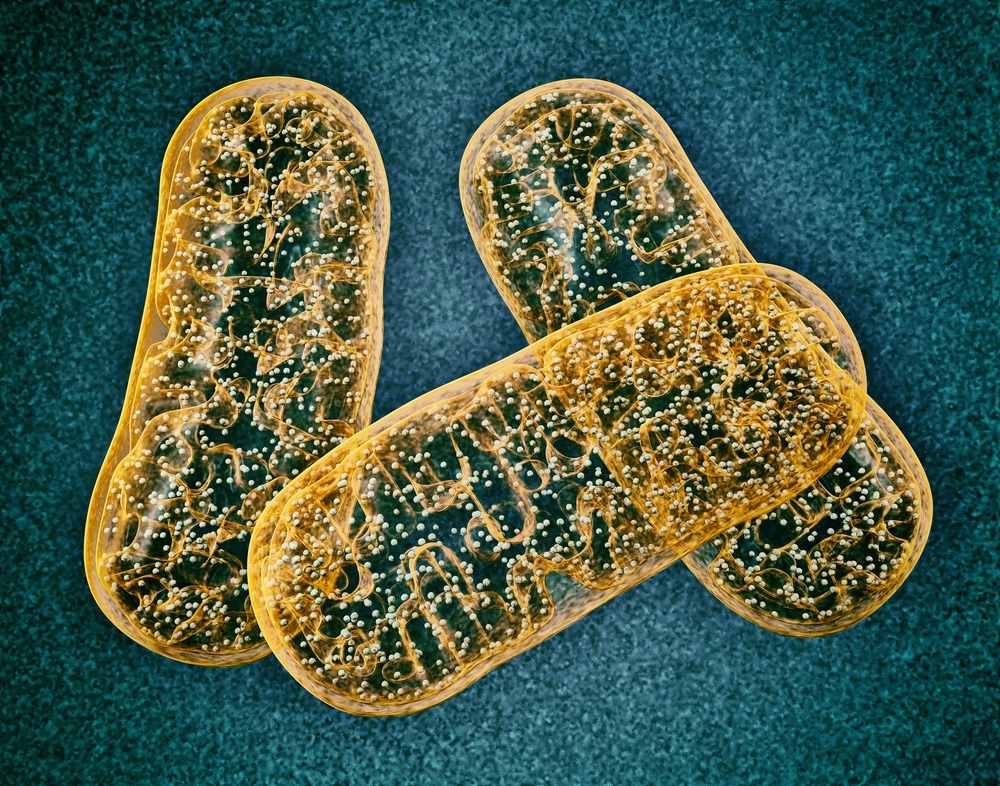
- favors theglucose oxidation in the cell to produce energy in the form of ATP;
- inhibits the breakdown of glycogen into glucose by the liver;
- inhibits the conversion of amino acids and glycerol to glucose.
Insulin and lipid and protein metabolism
In addition to playing an important role in carbohydrate metabolism, insulin also influences lipid and protein metabolism:
- insulin stimulates transformation of glucose into fatty acids and glycerolthe molecules used for the synthesis of lipids (triglycerides) in adipose tissue, where fats are stored;
- insulin promotes protein synthesis.
Insulin, insulin resistance and diabetes
Type 1 diabetes and type 2 diabetes
In France, the prevalence of diabetes in the population was estimated at 5%, and 90% of cases are type 2 diabetes, according to Inserm.
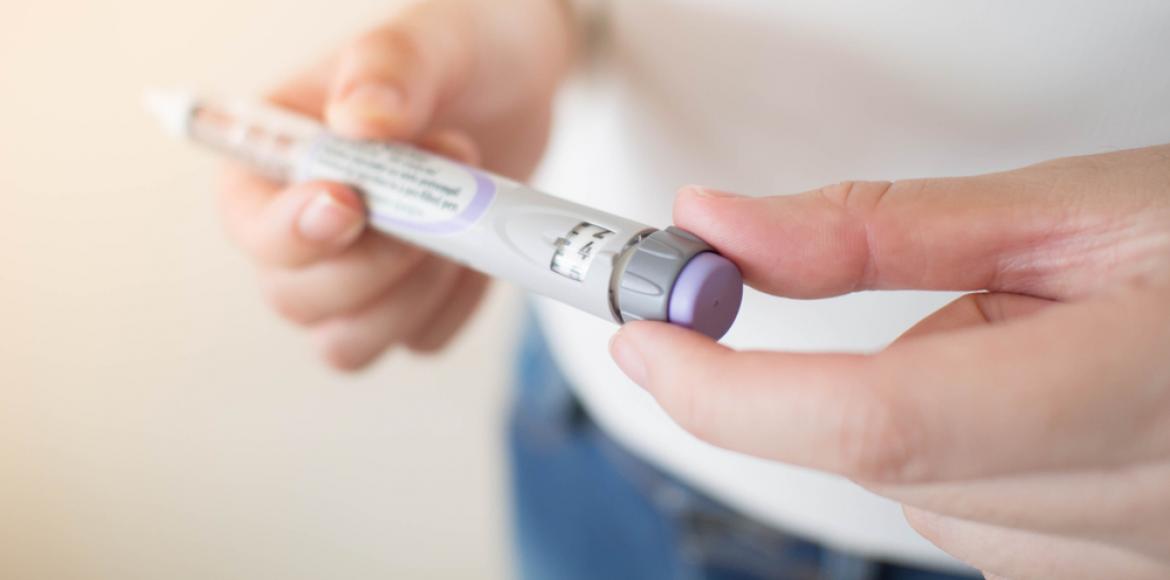
Type 1 diabetes, also called insulin-dependent, is a disease that appears during childhood or young adulthood. It is an autoimmune disease due to the destruction of the beta cells of the islets of Langerhans, hence the absence of insulin production. Treatment of these diabetic patients requires insulin injections to control blood sugar levels.
Type 2 diabetes appears in older people, often after the age of 40. Obesity is a major risk factor for type 2 diabetes. The body still produces insulin, but the target cells are less sensitive to the hormone. In this case, the doctor prescribes treatment with anti-diabetic drugs. Lifestyle modifications are often recommended for patients with type 2 diabetes to improve insulin sensitivity. Insulin injections are also sometimes necessary.
Where does injectable insulin come from?
Since the early 1980s, it has been possible to produce human insulin using genetic engineering. Previously, insulin was extracted from animal pancreases. Insulin synthesized using biotechnology can be an exact copy of human insulin produced naturally by our body. But it is also possible to make chemical modifications to improve the drug. “The structure of insulin can be modified to obtain characteristics more suitable for the treatment of diabetesexplains the French federation of diabetics. We are then talking about insulin analogues whose duration of action is variable. This is a very active field of research due to the exponential number of diabetics (type 1 or 2) requiring the use of insulin therapy.”
Insulin resistance
When cells no longer respond correctly to insulin, that is to say when they are no longer able to lower blood sugar levels despite the presence of insulin, we speak of insulin resistance, or insulin resistance. To compensate for the ineffectiveness of insulin, the body secretes even more insulin, insulin levels increase: this is hyperinsulinemia. In the long term, the pancreas becomes exhausted and insulin production may decrease: the patient risks becoming type 2 diabetic if glucose levels remain high in the blood. Insulin resistance therefore often precedes type 2 diabetes. This is why we also often speak of “prediabetes”.
Metabolic syndrome and insulin resistance
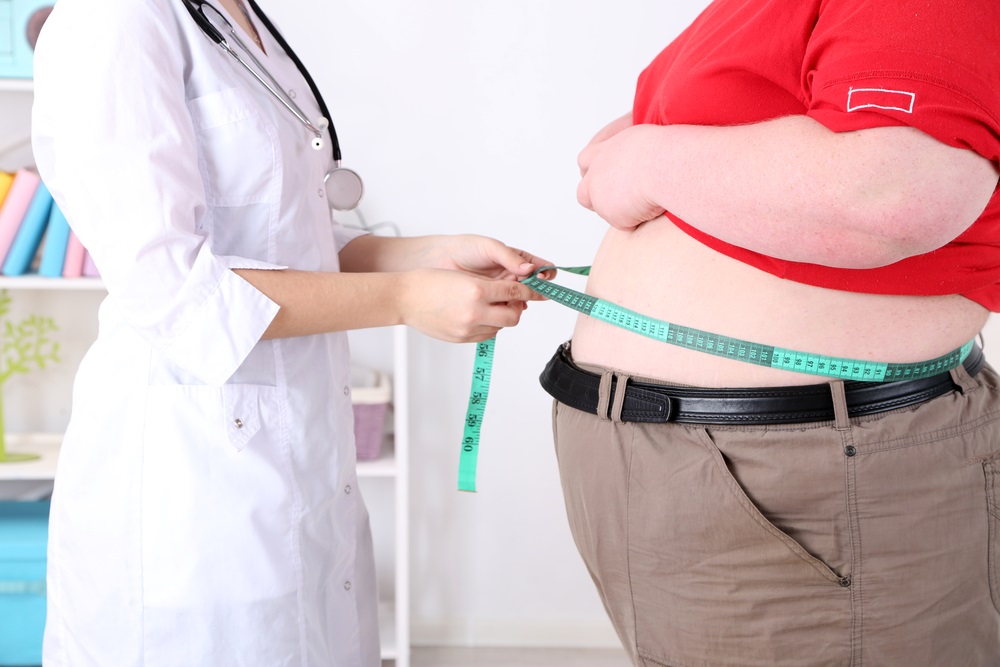
Obesity is a risk factor for type 2 diabetes or insulin resistance. One explanation is linked to chronic inflammation. Dysbiosis, that is to say the imbalance of the intestinal microbiota, could also explain the link between obesity and insulin resistance.
Read: A molecule produced by the microbiota could promote type 2 diabetes
In both obesity and insulin resistance, elevated triglyceride levels are often found in the blood.
Insulin resistance is one of the criteria used in the definition of metabolic syndrome, a syndrome which predisposes to type 2 diabetes and cardiovascular disease. Metabolic syndrome is closely linked to obesity. Other factors increase the risk of insulin resistance:
- fructose consumption;
- sedentary lifestyle: physical exercise improves insulin sensitivity.
Insulin resistance and other pathologies
Insulin resistance increases the risk of suffering from cardiovascular disorders, but also from fatty liver disease (NASH) or major depression. Women with polycystic ovarian syndrome (PCOS) also have hormonal problems that may be linked to insulin resistance. As explained by Angélique Houlbert, author of the book The PCOS diet, “more and more studies show that the main causes of PCOS symptoms, which are very easy to act on, are chronic hyperinsulinaemia and/or insulin resistance.”
How to combat insulin resistance
Lifestyle changes can help prevent insulin resistance and therefore type 2 diabetes:
- stopping smoking;
- dietary changes: favoring a low glycemic index diet, to limit significant variations in blood sugar. Intermittent fasting would also help combat insulin resistance. The vegetarian diet would also improve insulin sensitivity;
- physical activity, for example with interval training (HIIT);
- better sleep;
- a less stressful life.
Read also: Type 2 diabetes: 10 allied plants
-
References
-
Historical
-
Marieb. Human anatomy and physiology. De Boeck University.
-
Campbell. Biology. De Boeck University.
-
Current version
on 01/09/2023 - 08/29/2023
- 08/25/2023