
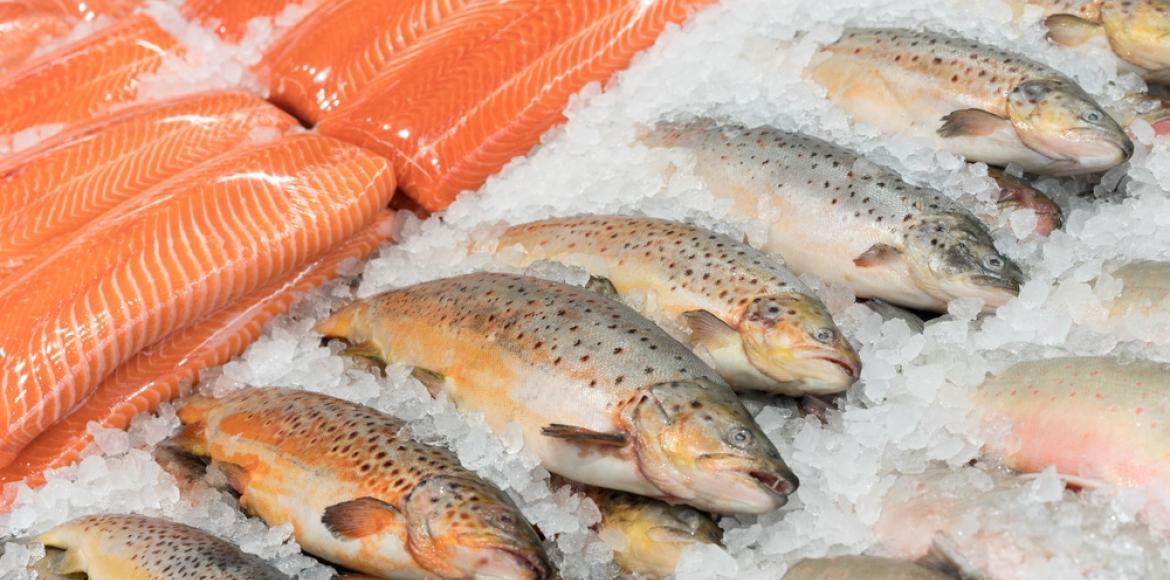
People eating diets high in fish and seafood could face a high risk of exposure to PFAS – the family of human-made toxins known as “forever pollutants.”
PFAS: definition
PFAS, eternal pollutants
PFAS are per- and poly-fluoroalkyl compounds, characterized by very strong carbon-fluorine bonds, which makes them very persistent in the environment and in the body. This is why they are called “perennial pollutants”. They have been detected worldwide in water, soil and even in the human body.
PFAS or PFOA?
Teflon (or PTFE = polytetrafluoroethylene) is a non-stick coating used to make pans. It was previously criticized because of a compound used in the manufacturing process, PFOA (perfluorooctanoic acid) which belongs to the large PFAS family. The use of PFOA is now prohibited.
Read: Materials for pans and saucepans: those to avoid, those to favor (subscribers)
What products contain PFAS? Where are PFAS found in France?
Kitchen utensils do not represent the largest part of our exposure to PFAS, which are mainly found in our food (1, 2) or in food packaging, such as that of fast food restaurants or in microwave popcorn bags (3, 4). The EFSA has defined a “tolerable weekly dose” for the group formed by the 4 main PFAS. This is 4.4 ng/kg of body weight per week, a dose which is exceeded in certain groups of the population (5).
What are the health effects of PFAS?
PFAS are virtually indestructible chemical compounds with adverse health effects; their exposure would increase the risks of cancer, high cholesterol, thyroid, liver and reproductive disorders.
The health risks of these molecules
PFOA was recently classified as a human carcinogen by the IARC (International Agency for Research on Cancer). Studies have previously suggested an association between PFOA exposure and risk of kidney and testicular cancer (6). It also acts as a disruptor of the endocrine system. In particular, it could harm women’s fertility (7) and some researchers suggest that it could represent a risk factor in polycystic ovarian syndrome (8). Among the worrying effects of PFAS and in particular PFOA, some studies highlight that they could reduce the immune response associated with vaccination (9).
Read: PFAS in our kitchens, a silent danger at every meal (subscribers)
PFAS pollution in seafood
In a recent study, researchers analyzed PFAS concentrations in fresh seafood and compared them to a survey of dietary habits in the state of New Hampshire (United States). According to toxicologist Jonathan Petali, co-author of the study, New Hampshire was one of the first states to identify PFAS in drinking water and has extensive data on these perennial pollutants.
The researchers therefore measured the levels of 26 varieties of PFAS in samples of the most consumed marine species: cod, haddock, lobster, salmon, scallop, shrimp and tuna (10). Shrimp and lobster recorded the highest concentrations. Among the species researchers tested for PFAS, shrimp, haddock and salmon were eaten by more than 70% of adults who ate seafood once a month or more.
But how do PFAS enter the food chain of these animals? Some shellfish accumulate PFAS in their flesh because they feed and live on the seabed, and because they are near nearshore sources of PFAS. Next, large marine species ingest PFAS by eating smaller species that, like shellfish, accumulate toxic compounds in their bodies. It’s the same principle for mercury which tends to concentrate in large predators (tuna, shark) because these animals are at the end of the food chain and accumulate toxins from the small species they have consumed.
Our recommendation is not to not eat seafood
Researchers want stricter public health guidelines to establish how much seafood people can safely consume to limit their exposure, especially in coastal areas. “Our recommendation is not to not eat seafood – seafood is an excellent source of lean protein and omega fatty acids. But it is also a potentially underestimated source of PFAS exposure in humans”says Megan Romano, author of this study, in a university press release. It is important to weigh the balance between benefits and risks, particularly for vulnerable populations such as pregnant women and children. People who eat a balanced diet and consume moderate amounts of seafood should be able to enjoy their health benefits without being at risk of exposure to PFAS.
In video: the consequences of these chemicals in water
This report discusses the consequences of the presence of PFAS on health and living organisms.
In practice: which pan without PFAS?
Pans with ceramic coating
Ceramic coatings are touted as a healthier alternative to Teflon. They are generally free of PFAS even if some utensils contain them (in much lower doses than Teflon coatings), according to the results of tests carried out by theUFC What to choose. The best thing if you opt for ceramic coatings is to choose products guaranteed “PFAS-free”.
Utensils without non-stick coating: stainless steel, cast iron and steel
To avoid all the problems associated with the use of non-stick coatings, it may be wise to turn to uncoated utensils, with a much longer lifespan, which compensates for a sometimes higher purchase price.
To find out more, read: The right choice for cooking
Read an EXTRACT>>
-
References
-
Historical
-
Eun et al. Evaluation of perfluoroalkyl substances in field-cultivated vegetables. Chemosphere. 2020.
-
Christensen et al. Perfluoroalkyl substances and fish consumption. Environmental Research. 2017.
-
Schaider et al. Fluorinated Compounds in US Fast Food Packaging. Approximately. Sci. Technol. Lett. 2017.
-
Susmann et al. Dietary Habits Related to Food Packaging and Population Exposure to PFASs. About Health Perspective. 2019.
-
EFSA Panel on Contaminants in the Food Chain (EFSA CONTAM Panel), Dieter Schrenk, et al. Risk to human health related to the presence of perfluoroalkyl substances in food. EFSA Journal. 2020.
-
Barry et al. Perfluorooctanoic Acid (PFOA) Exposures and Incident Cancers among Adults Living Near a Chemical Plant. About Health Perspective. 2013.
-
Wang et al. The effects of perfluoroalkyl and polyfluoroalkyl substances on female fertility: A systematic review and meta-analysis. Environmental Research. 2023.
-
Li et al. Association between Perfluoroalkyl Substances in Follicular Fluid and Polycystic Ovary Syndrome in Infertile Women. Toxics. 2024.
-
Zhang et al. Effects of exposure to per- and polyfluoroalkyl substances on vaccine antibodies: A systematic review and meta-analysis based on epidemiological studies. About Pollut. 2022.
-
Crawford et al. Roman. Patterns of Seafood Consumption Among New Hampshire Residents Suggest Potential Exposure to Per- and Polyfluoroalkyl Substances. Exposure and Health. 2024.
-
Current version
on 01/02/2025 - 12/18/2024
- on 04/06/2024
- on 05/27/2024