
Persistent fatigue, joint pain, skin disorders… What if inflammation was to blame? In his books, Wilfried Launay shares practical advice and a nutritional program to find balance and alleviate these inconveniences.
Himself facing problems with acne, allergies and chronic rhinitis, Wilfried understood the impact of diet on inflammation and saw his health improve thanks to nutritional changes. After a first book, The Complete Guide to Anti-Inflammatory Dietwhere he proposed a three-week program to initiate real change, he published a new practical work, devoted to recipes: My anti-inflammatory express kitchen. He also provides advice on his YouTube channel B.Moove. We asked him about his method and its results.
LaNutrition: What can we expect from an anti-inflammatory diet and isn’t it restrictive to follow in the long term?
Wilfried Launay: The benefits of an anti-inflammatory diet are often remarkable and surprising in their magnitude. The first changes are generally felt after a few weeks, or even a few days: increased energy, improved sleep, reduction in joint pain, more beautiful skin, better digestion, etc.
But what’s fascinating is the cascading effect on overall health. People see their blood pressure normalize, their blood inflammation markers drop, their allergies improve.
Read: How to lower CRP levels naturally
I also observed significant mental health benefits: reduced anxiety, improved mood and cognitive clarity.
As for constraint, it’s a legitimate question that people who follow my programs often ask me. I will answer this: the anti-inflammatory diet is not a restrictive or punitive diet, but rather a new way of looking at our relationship with food. In my book, I emphasize the 80/20 rule: follow anti-inflammatory principles 80% of the time, and allow 20% flexibility for friendly moments or exceptions. This approach makes change lasting and, above all, tenable. In addition, it is not a question of depriving yourself, but of rediscovering tasty and diverse foods. Many people who follow my advice tell me that they have never eaten so well and with so much pleasure!
The real constraint would rather be to continue to suffer from avoidable health problems. When you feel the benefits, following this diet becomes obvious, not a constraint.
In The Complete Guide to Anti-Inflammatory Dietyou offer a 21-day program. Should it be done only once, or regularly, and how often?
The 21-day program that I offer is designed as an intensive immersion in anti-inflammatory nutrition, which allows you to both experience its benefits and integrate new sustainable habits. This is not a temporary cure, but rather a period of learning and transformation. Ideally, this program should serve as a stepping stone to the lifelong anti-inflammatory lifestyle I mentioned earlier.
After these 21 days, most people already feel significant improvements: better energy, reduced pain, improved sleep… which naturally motivates them to continue. This is why I consider that it is not necessary to redo it regularly in its “strict” form.
However, I find that many people find it helpful to return to this more structured framework after periods where they have strayed from anti-inflammatory principles, such as after the holidays or vacations for example. In this case, you can see it as a “reset” that helps you get back into good habits.
Instead, I suggest adopting a flexible approach based on listening to your body. If you start to feel the return of inflammatory symptoms (fatigue, joint pain, digestive problems), this may be a sign that it is time to return to a more strictly anti-inflammatory diet for a while.
The ultimate goal is not to follow a rigid program at regular intervals, but to integrate anti-inflammatory principles into your daily life in a sustainable and natural way. For most people, this means following these principles about 80% of the time, allowing themselves 20% flexibility to fully enjoy social life and occasional pleasures.
You mention interesting food supplements against inflammation. But which ones to prioritize in this list?
If I had to recommend only one anti-inflammatory food supplement, it would undoubtedly be omega-3, particularly in the form of EPA and DHA. This recommendation is not trivial because it touches on a fundamental imbalance in our modern diet.
For millennia, humans have maintained a balanced ratio of omega-6 (pro-inflammatory) to omega-3 (anti-inflammatory) of approximately 1:1 to 4:1. Today, our industrial diet has dramatically modified this ratio, which often reaches 15:1 or even 25:1 in favor of omega-6!
This reversal is mainly due to excessive consumption of refined vegetable oils (such as sunflower oil), overconsumption of processed products, reduced consumption of wild fatty fish and foods naturally rich in omega-3, such as meat from grass-raised animals (which is exceedingly rare today). This imbalance creates a constant inflammatory environment in our body!
Supplementing with quality omega-3 (purified fish oil or algae for vegetarians) helps restore a better balance and modulate many inflammatory pathways. This is the supplement for which we have the most scientific evidence of effectiveness. I also very often recommend the famous vitamin D, because most people are deficient in this ultra-important vitamin for a plethora of essential metabolic functions.
Finally, I would finish with coenzyme Q10, particularly to take care of mitochondrial health.
Does the microbiota play a role in inflammation and how?
That’s a good question! And the answer is: absolutely. The intestinal microbiota is a major player in the regulation of inflammation, and I also give a lot of space to this subject in my book. It’s a fascinating relationship that goes way beyond simple digestion. Our intestine is home to billions of microorganisms that form a true ecosystem, and the balance of this ecosystem directly influences our level of inflammation.
The intestinal microbiota is a major player in the regulation of inflammation
The microbiota interacts with our immune system on a constant basis. Basically, a healthy and diverse microbiota helps maintain the integrity of the intestinal barrier and “educates” our immune system to respond appropriately.
Conversely, a microbial imbalance, called dysbiosis, tends to promote intestinal permeability, the famous “leaky gut”. The latter then allows the passage of pro-inflammatory compounds into the blood circulation. These substances trigger an inflammatory response which can become chronic and systemic in the long term.
Additionally, some gut bacteria produce metabolites with anti-inflammatory properties, such as short-chain fatty acids, while others secrete pro-inflammatory compounds. This is why our diet, by directly influencing the composition of our microbiota, has such a profound impact on our inflammatory state.
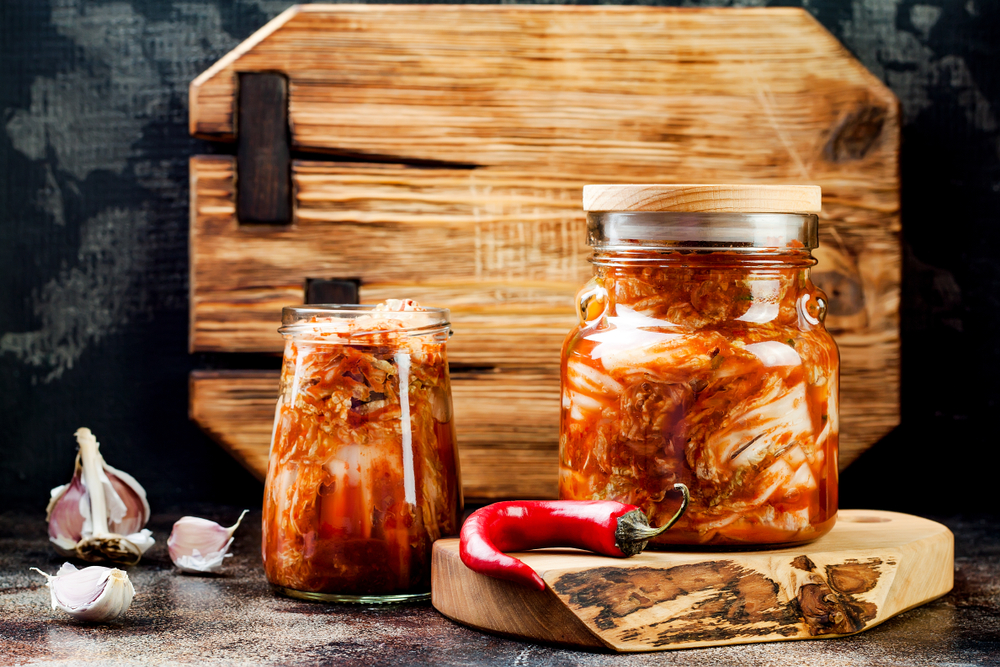
Dietary fiber, polyphenols, and fermented foods feed “good” bacteria, while ultra-processed foods and refined sugar promote microbial imbalances.
What are your favorite anti-inflammatory recipes?
I love this question which brings us back to the pleasure of eating, because an anti-inflammatory diet must above all remain tasty! Here are my top 3 recipes that I prepare regularly.
1/ My signature salad made with kale, avocado, pepper and goat cheese. It’s a real anti-inflammatory concentrate! Kale provides its antioxidants and sulfur compounds, avocado its good fats, and everything is enhanced by spices like turmeric and Espelette pepper which not only provide flavor but also powerful anti-inflammatory compounds. It’s a complete, colorful and incredibly nutritious meal.
2/ I’m a big fan of omelettes, but not just any omelettes. I use exclusively organic eggs or ideally labeled Bleu Blanc Cœur, which have a much more anti-inflammatory lipid profile thanks to an optimized diet for the hens. I often incorporate seasonal vegetables, fresh herbs and sometimes a little sheep’s cheese.
3/ A simple but extremely effective dish: sardines in olive oil served with organic wholemeal basmati rice and curry. Sardines are one of the best sources of omega-3 EPA and DHA, brown rice provides fiber that nourishes the microbiota, and curry contains turmeric and other anti-inflammatory spices. This is a meal I often prepare when I’m short on time but don’t want to compromise my health.
What I like about these 3 recipes is that they perfectly illustrate that an anti-inflammatory diet can be simple, delicious and adapted to everyday life. In my book, I included 60 recipes that follow these same principles: quality ingredients, rich in anti-inflammatory nutrients… and above all meals that please the taste buds!