
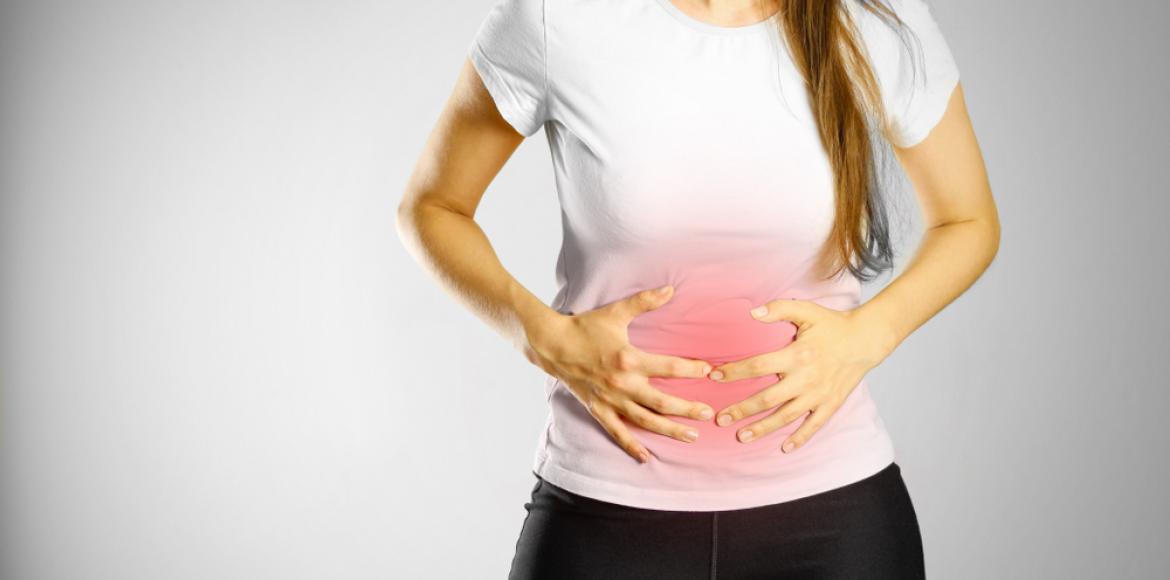
Endometriosis affects more and more women. What are the symptoms of this disease? Its causes?
What is endometriosis?
Endometriosis affects approximately 10% of women. It is a disease that affects the endometrium, the tissue that lines the inside of the uterus. At the end of each cycle, the endometrial tissue thickens to accommodate possible implantation. If there is no fertilization, the extra thickness of this tissue is evacuated thanks to menstruation. When a woman is affected by endometriosis, the endometrial cells migrate outside the uterus instead of being evacuated. They will:
- on the ovaries;
- on the fallopian tubes;
- on the ligaments supporting the uterus;
- on the outer surface of the uterus.
More rarely, this tissue can also be found in the bladder, intestines, kidneys and in extremely rare cases, the lungs and limbs.
Anywhere in the body, this tissue reacts to the hormones of the female cycleso like in the uterine lining, it can thicken and “bleed”. Except that when this tissue is located elsewhere than in the uterus, there is no external outlet to evacuate it. Results: This can damage neighboring tissues, cause cysts, scar tissue and also adhesions which will “stick” the organs together and cause pain.
How does the disease manifest? Symptoms
THE main symptoms of endometriosis are lower abdominal pain (sometimes very heavy) and genital bleeding (very heavy periods and/or bleeding between periods), pain during sexual intercourse. Infertility is also found as a symptom. But often endometriosis is asymptomatic.
Endometriosis generally does not develop until several years after the first period. Its symptoms disappear temporarily during pregnancy and permanently at menopause (except when taking estrogens).
The consequences of endometriosis on women’s health
The main complication of this disease is infertility. It is often during a consultation for infertility that it is diagnosed. THE women with endometriosis are also at greater risk of ovarian cancer.
What is it due to? Origins and risk factors
This disease is still poorly understood. It could have a hereditary factor. According to current assumptions:
- It could be due to a dysfunction of the immune system.
- Period blood, instead of flowing towards the vagina, would go up through the fallopian tubes to flow into the abdominal cavity. This phenomenon is called retrograde menstruation.
- It could also be caused by the transformation of peritoneal cells. The cells of the peritoneum, the tissue that surrounds the organs of the lower abdomencould thus, under the action of hormones or immune factors, mutate into endometrial cells.
- Endometrial cells could be transported out of the uterus via the bloodstream. This is the “endometrial transport” hypothesis.
Risk factors for endometriosis
Endometriosis has been associated with different factors:
- Not having children
- Having had your period at an early age
- Short menstrual cycles (less than 27 days)
- High blood levels of estrogen
- A low body mass index
- The presence of other cases of endometriosis in the family (mother, sister, aunt)
- Uterine abnormalities
- Late menopause
Diagnosis and treatment
The diagnosis often takes a long time because the symptoms can be confused with other disorders.
The diagnosis of endometriosis is based on gynecological examination, ultrasound and MRI (if the ultrasound is inconclusive). If the imaging remains doubtful despite suggestive symptoms, the saliva test can guide the decision. Other targeted examinations exist depending on the suspected location. Laparoscopy is no longer systematic.
THE endometriosis treatment is personalized. This may be simple monitoring if she is asymptomatic. Hormonal treatment can be implemented: estrogen-progestogen contraception, levonorgestrel IUD, etc. Analgesics can be prescribed to treat the pain. Surgery is considered in cases of persistent pain or infertility.
Endometriosis and diet
Diet and risk of developing the disease
A prospective study from 2024, covering a cohort of more than 80,000 women, shows that diet influences the frequency of the disease. People with a healthy diet have a slightly lower risk of endometriosis diagnosis. Participants in the highest quintile of the Western diet, characterized by high consumption of red meat, processed meat, refined grains and desserts, had a 27% increased risk of being diagnosed with endometriosis compared to those in the lowest quintile. People with a pro-inflammatory diet also have a greater risk of endometriosis.
How to relieve symptoms with diet
In their book Endometriosis, my little magic recipesthe authors, Anne Dufour and Carole Garnier, give five basic tips:
- Fewer ultra-processed foods
- Less sugar and sugary drinks
- More omega-3
- More fiber
- More fresh and colorful foods
One of the objectives of this diet is to fight inflammation: “Inflammation is at the heart of endometriosis: the lesions continuously produce inflammatory molecules, which maintain painsay the authors. Certain foods – high glycemic index sugars, excess omega-6, highly processed foods – add an additional inflammatory “layer.” Conversely, foods rich in omega-3, antioxidants and polyphenols act as anti-fire agents.
To go further: Endometriosis: natural treatments (subscribers)
-
Historical
-
Current version
07/09/2026 - on 03/09/2018