Nuts can be added or substituted for other foods without risk for weight or waistline, on the contrary.
The benefits of nuts
Nuts and health
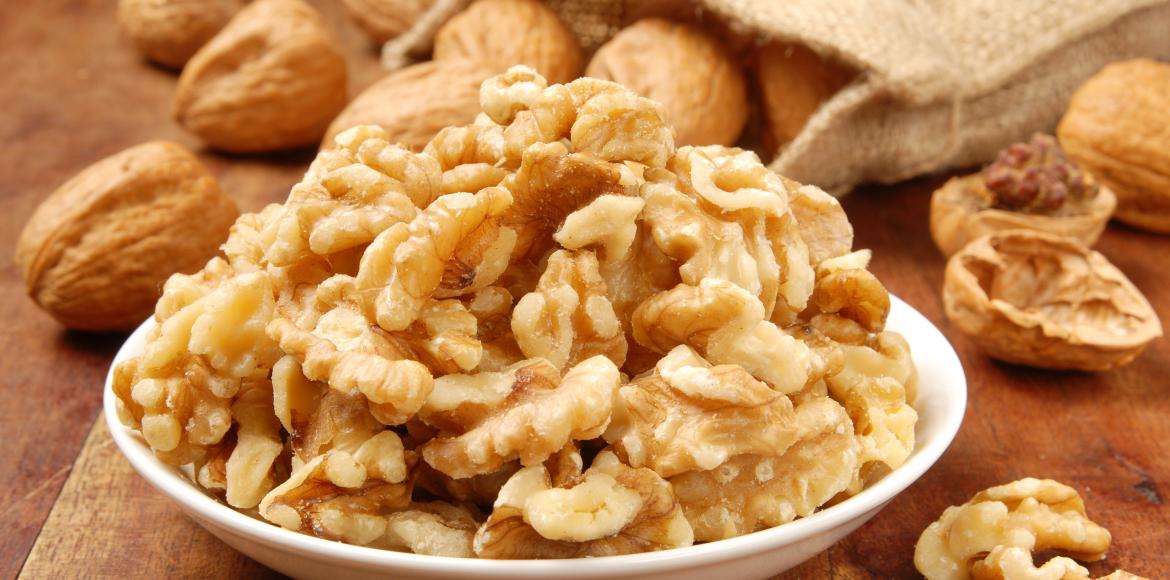
The term “nuts” often refers to a set of nuts including walnuts, hazelnuts, almonds, pistachios, pecans, cashews.
Nuts are rich in calories and yet, consumed daily, they are also a slimming asset, because they contain very few carbohydrates. But the benefits of nuts are not limited to this slimming potential, nuts have many other health benefits. Their nutritional richness (vitamins, minerals, magnesium, phosphorus, dietary fiber, antioxidants, omega-3, etc.) gives them antioxidant and anti-inflammatory properties and therefore a protective effect on cardiometabolic diseases, cognitive health and Alzheimer’s disease in particular.
More generally, daily consumption of nuts is linked to better longevity and a reduced risk of overall mortality due to specific diseases (cancer, neurodegenerative diseases, diabetes, etc.).
Nuts and diet: cWhat do the studies say?
According to a meta-analysis of published studies, you can add some nuts to your diet – or use them in snacks in place of other foods without gaining weight. Spanish researchers combined data from 31 trials conducted around the world.
Results : on average, there is very little difference in changes in weight or waist circumference between people who eat normally and those who enrich their diet with nuts. The nuts used were diverse: walnuts, macadamia, pecan, cashew, Brazil, etc.
The 31 trials enrolled volunteers who followed either a traditional diet, the same diet with additional nuts, or a diet in which nuts were substituted for other food products. The duration of the trials ranged from two weeks to five years.
On average, compared to a conventional diet, diets with nuts led to a weight loss of 640 g and a reduction in waist circumference of 1.10 cm. However, these differences are not statistically significant and could therefore be due to chance.
In a new study published in 2019 in the journal BMJ Nutrition, Prevention & Healthresearchers analyzed data on weight, diet (and in particular nut consumption) and physical activity in 3 groups: 27,521 men aged 40 to 75 (Health Professionals Follow Up Study) ; 61,680 women aged 35 to 55 (Nurses Health Study) and 55,684 women aged 24 to 44 (Nurses Health Study II). Participants responded to questionnaires every 4 years.
In the three groups, the annual weight gain was on average 0.32 kg during the follow-up period. Over two decades, total nut consumption increased from 0.25 to 0.47 servings/day among men, from 0.15 to 0.31 servings/day among women in the NHS, and from 0.07 to 0.31 servings/day among women in the NHS II.
Read: If you’re on a low-calorie diet, don’t make the mistake of cutting back on these foods
Their results show thatincreasing nut consumption is associated with less long-term weight gain and to a reduced risk of obesity.
An increase in total nut consumption of half a serving (approximately 14 g) per day is associated with 0.19 kg less weight gain over a 4-year period.
Replacing ultra-processed foods with nuts can help counter weight gain and therefore reduce the risk of overweight and/or obesity and the diseases that go with it (cardiovascular diseases, diabetes, cancer, etc.).
Do nuts make you gain weight?
How to explain the beneficial effect of nuts on weight control? According to researchers, the high fiber content of nuts may delay stomach emptying and help you feel full longer. The high unsaturated fat content of nuts may also increase resting energy expenditure, which may help prevent weight gain.
A new study published in 2021 in Mayo Clinic proceeding explains that the calories in almonds are not fully absorbed. Researchers found that after digestion, about 20% of calories primarily from fat were not absorbed. A person eating the same amount of almonds in a daily diet of 2,000 to 3,000 calories would thus consume 40 to 60 fewer calories than calculated, which could lead to weight loss of up to 2.9 kg over a year.
Nuts: calories and nutritional values
What is the lowest calorie oilseed? What is the nut more calories ?
- Pistachio: 570 cal/100 g
- Cashew nuts : 606 cal/100g
- Almond : 625 cal/100 g
- Hazelnut : 660 cal/100 g
- Brazil nuts: 666 cal/100 g
- Pecan nuts: 700 cal/100 g
- Walnuts: 713 cal/100 g
- Macadamia nuts: 726 cal/100 f
The nut in practice
How many nuts per day?
Replacing ultra-processed, overly sugary foods with a few whole nuts can be a simple strategy to limit weight gain. Especially in case of cravings.
How many nuts to eat? LaNutrition.fr recommends eating ½ to 2 servings of whole nuts and oilseeds every day, unsalted and unroasted.
1 serving = 6 nuts = 20 almonds = 1 tbsp. teaspoon (5 g) ground flax seeds.
When to eat nuts: in the morning or in the evening?
Both. At breakfast, they can be incorporated into muesli. At lunch and dinner, they find their place in salad.
-
Historical
-
Current version
03/29/2024 - 03/26/2024
- 03/10/2023
- on 04/29/2013