
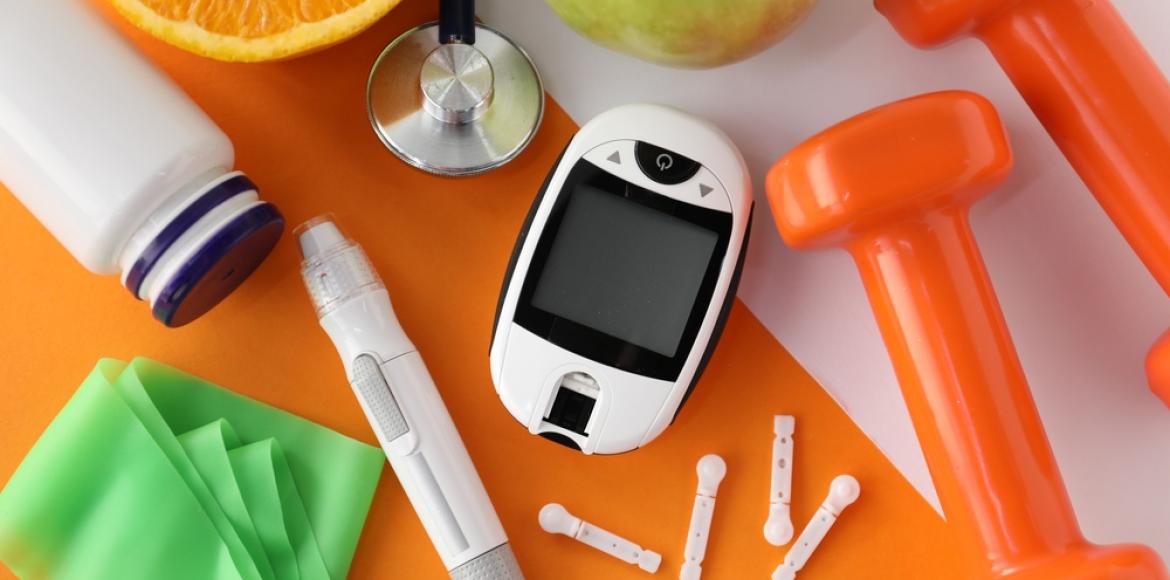
Simple everyday actions, without diet or deprivation, are enough to lower or contain blood sugar levels. Discover 6 simple strategies to implement, backed by scientific evidence.
1. Eat Carbs Last
Of course, the nature of foods influences blood sugar levels, but the order in which they are consumed within the same meal also plays an important role.
In a pilot study conducted on eleven overweight people with type 2 diabetes, researchers…
-
References
-
Historical
-
Shukla AP, Iliescu RG, Thomas CE, Aronne LJ. Food Order Has a Significant Impact on Postprandial Glucose and Insulin Levels. Diabetes Care. 2015 Jul;38(7):e98-9.
-
Shukla AP, Andono J, Touhamy SH, Casper A, Iliescu RG, Mauer E, et al. Carbohydrate-last meal pattern lowers postprandial glucose and insulin excursions in type 2 diabetes. BMJ Open Diabetes Research & Care. 2017;5:e000440.
-
Daniela S. Valdes, Daniel So, Paul A. Gill, Nicole J. Kellow. Effect of Dietary Acetic Acid Supplementation on Plasma Glucose, Lipid Profiles, and Body Mass Index in Human Adults: A Systematic Review and Meta-analysis. Journal of the Academy of Nutrition and Dietetics. 2021. Volume 121. Issue 5, pages 895-914.
-
Santos HO, de Moraes WMAM, da Silva GAR, Prestes J, Schoenfeld BJ. Vinegar (acetic acid) intake on glucose metabolism: A narrative review. Clin Nutr ESPEN. 2019 Aug;32:1-7.
-
Lim, J., Henry, CJ and Haldar, S. Vinegar as a functional ingredient to improve postprandial glycemic control—human intervention findings and molecular mechanisms. Mol. Nutr. Food Res. 2016. 60:1837-1849.
-
Loretta DiPietro, Andrei Gribok, Michelle S. Stevens, Larry F. Hamm, William Rumpler. Three 15-min Bouts of Moderate Postmeal Walking Significantly Improves 24-h Glycemic Control in Older People at Risk for Impaired Glucose Tolerance. Diabetes Care. October 1, 2013; 36(10):3262–3268.
-
Bellini A, Nicolò A, Rocchi JE, Bazzucchi I, Sacchetti M. Walking Attenuates Postprandial Glycemic Response: What Else Can We Do without Leaving Home or the Office? Int J Environ Res Public Health. 2022 Dec 24;20(1):253.
-
Zeevi D, Korem T, Zmora N et al. Personalized Nutrition by Prediction of Glycemic Responses. cell. 2015;163(5):1079-1094.
-
Gonzalez et al. Gut microbiota and insulin resistance. Front Microbiol. 2025.
-
Bouter KE et al. Role of the gut microbiome in the pathogenesis of obesity and obesity-related metabolic dysfunction. Gastroenterology. 2018.
-
Niness KR. Inulin and oligofructose. J Nutr. 1999. Trial NCT02009670 — ClinicalTrials.gov
-
Morris CJ, Yang JN, Garcia JI et al. Endogenous circadian system and circadian misalignment impact glucose tolerance via separate mechanisms in humans. PNAS. 2015;112:E2225-E2234.
-
Chellappa SL, Qian J, Vujovic N et al. Daytime eating prevents internal circadian misalignment and glucose intolerance in night work. Science Advances. 2021;7:eabg9910.
-
Panda S. Circadian physiology of metabolism. Science. 2016;354:1008-1015.
-
Sharma K, Akre S, Chakole S, Wanjari MB. Stress-Induced Diabetes: A Review. Cureus. 2022.
-
Sailor P et al. Potential roles of psychological and oxidative stress in insulin resistance. BMC Endocr Disord. 2020;20:44.
-
Chiodini I et al. The stress axis in obesity and diabetes mellitus: an update. Endocrine. 2021;2(3):314-331.
-
Saban KL et al. Impact of MBSR on well-being, cortisol, and inflammation in women veterans. J Gen Intern Med. 2022.
-
Fisher E et al. Effectiveness of MBSR on mental health, HbA1c and mindfulness of diabetes patients: meta-analysis. Appl Psychol Health Well Being. 2023;15(4):1733-1749.
- on 06/23/2026