
To act on both pain and joint mobility in cases of osteoarthritis, you can use plant combinations. Effective, they do not have the side effects of medications. Details.
Contrary to what is often believed, osteoarthritis does not result from simple mechanical wear of the joint. In reality, the progressive destruction of cartilage is due to chronic inflammation of the cells that produce it, called chondrocytes (read box below). In osteoarthritis, the inflammation does not aim to eliminate a bacteria or a virus, as in its usual function, it originates from an overexcitation of the chondrocytes, due to hereditary factors, trauma or excessive pressure linked to being overweight.
Cartilage and its components
Cartilage is a special tissue: it is not vascularized or innervated, and is therefore not the cause of osteoarthritis pain. It is made up of a single category of cells: chondrocytes. The latter are present within the cartilaginous matrix with proteoglycans and collagen produced by chondrocytes.
Alongside chondroitin and glucosamine, which can have an anti-inflammatory and restructuring action, here are 7 plants that collect the most empirical and scientific evidence to relieve osteoarthritis, to be taken in combination. Several food supplements also offer combinations of these plants. Check the effective doses to choose yours.
Harpagophytum, a safe bet
Harpagophytum, or devil’s claw, is a plant native to southeast Africa traditionally used to relieve joint and lower back pain. Its anti-inflammatory properties are due to the harpagosides it contains. It is the plant that has been the most tested and therefore has the highest level of scientific evidence against osteoarthritis pain.
Effective dose observed : the average dosage is between 600 and 1000 mg per day of extract titrated with 4% harpagosides.
Boswellia: more mobility, less pain
Originally from India, the Arabian Peninsula or even Ethiopia and Somalia, Boswellia serrata is a plant included in the traditional medical arsenal of several countries to treat inflammatory diseases. Studies show that it helps reduce pain and improve joint mobility and function in people with osteoarthritis. Boswellia serrata contains boswellic acids, triterpene acids, with anti-inflammatory properties. According to Laura Azenard, naturopath and author of I am treating my osteoarthritis, “These acids also improve blood circulation in inflamed joints, allowing better irrigation of the tissues, which, better nourished and better drained, reduce inflammation, swelling, pain and morning stiffness. The icing on the cake is that it also improves the respiratory system and problems with porous, irritable intestines, chronic and inflammatory bowel diseases.”
Effective dose observed: 100 mg/day of extract.
Pineapple: the outsider
We especially know pineapple – and finally the bromelain contained in its stem – as a slimming substance. But it seems, according to some preliminary studies, that it could also be used against osteoarthritis pain.
Effective dose observed : between 540 mg and 1890 mg/day of bromelain depending on the studies.
Turmeric: powerful but poorly assimilated
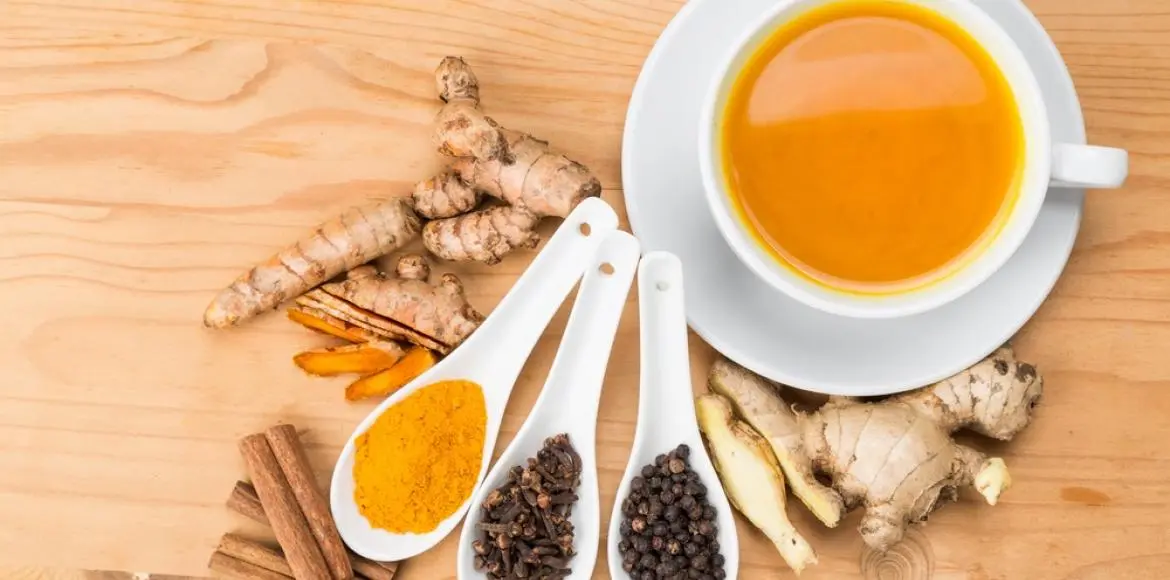
Turmeric is a spice with multiple health benefits. Turmeric rhizomes contain active substances called curcuminoids, the vast majority of which are curcumin. Curcuminoids have recognized antioxidant and anti-inflammatory properties. Curcumin would have a chondroprotective effect, that is, it would be able to protect the cartilage of the joints, through anti-inflammatory, antioxidant actions and anti-catabolic activity which are essential to alleviate the symptoms of the disease. The main obstacle of turmeric comes from its poor assimilation by the body which seems to be improved in supplements providing it in the form of phospholipids.
Effective dose observed : 200 mg per day of curcumin.
Cat’s claw: very antioxidant
Cat’s claw bark (Uncaria tomentosa And Uncaria guianensis) has been used for hundreds of years in decoction by the people of the Amazon basin to treat osteoarthritis, lupus and certain gastrointestinal conditions. It owes its anti-inflammatory and analgesic properties to the alkaloids and polyphenols it contains. Clinical studies against placebo or other natural molecules are encouraging, and the plant is well tolerated.
Effective dose observed : 100 mg/day.
Ginger: a natural NSAID
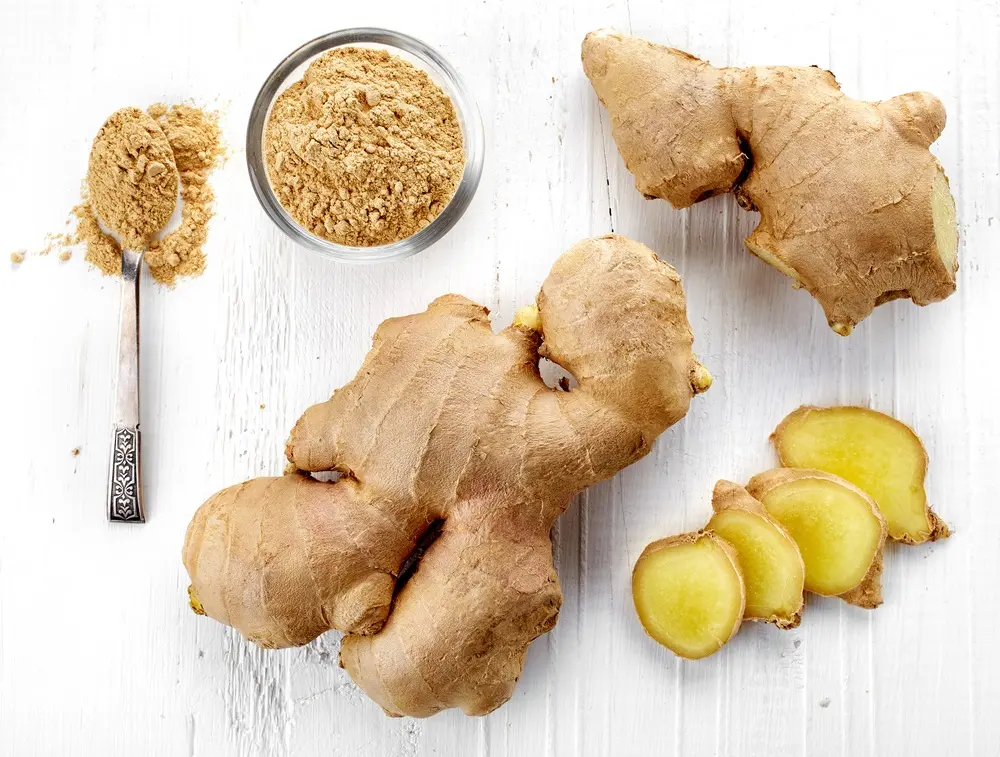
Ginger gingerols (Zingiber officinale) inhibit inflammatory molecules like TNF-alpha, in the same way as nonsteroidal anti-inflammatory drugs (NSAIDs). Various studies show that ginger helps reduce pain in cases of osteoarthritis or rheumatoid arthritis, without unwanted side effects. The only downside: the action of ginger takes several weeks before it is felt. You can also eat it cooked: incorporate it into your stir-fried dishes, vegetable soups, fish dishes or desserts!
Effective dose observed : 1 g of ginger per day. There are ginger powder capsules or ginger extracts that make it easy to achieve this dose.
Green tea: powerful antioxidant
Camellia sinensis contains many molecules beneficial to health. The best known, a polyphenol called epigallocatechin gallate (EGCG) is a powerful antioxidant that neutralizes reactive oxygen species implicated in many diseases of aging. Several studies in vitro And in vivo show that green tea has an interesting anti-inflammatory and anti-osteoarthritis potential but more clinical studies are needed to evaluate its real effectiveness. Green tea is fairly well tolerated, but there is uncertainty about the extracts, which in high doses could lead to liver problems.
Effective dose observed : between 50 and 1600 mg/day. As a precaution, avoid doses greater than 500 mg/day.
2 essential books if you suffer from osteoarthritis: Osteoarthritis, natural solutionsby Dr Philippe Veroli and How I beat osteoarthritis by Laura Azenard
-
References
-
Historical
- Nahid Akhtar and Tariq M. Haqqi: Current nutraceuticals in the management of osteoarthritis: a review. Ther Adv Musculoskelet Dis. 2012 Jun; 4(3): 181–207.
- Bartels EM, Folmer VN2, Bliddal H, Altman RD, Juhl C, Tarp S, Zhang W, Christensen R. Efficacy and safety of ginger in osteoarthritis patients: a meta-analysis of randomized placebo-controlled trials. Osteoarthritis Cartilage. 2015 Jan;23(1):13-21. doi: 10.1016/j.joca.2014.09.024. Epub 2014 Oct 7.
-
Current version
09/13/2023 - on 02/17/2017
- on 10/28/2016