
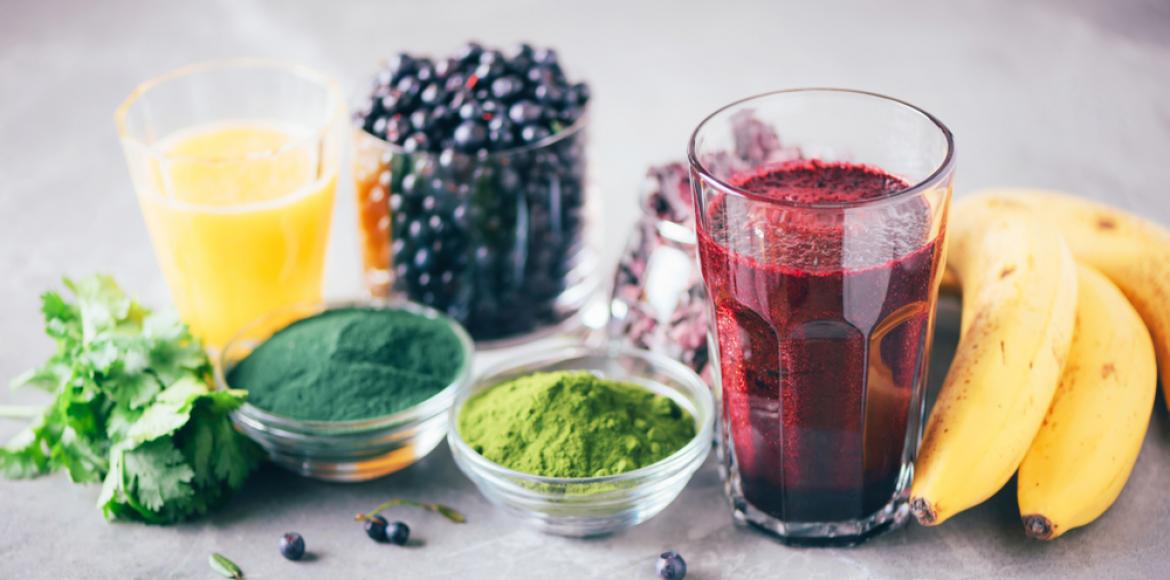
Heavy metals accumulate quietly in the body, sometimes for years. If the first priority remains to limit exposure, certain nutritional strategies can help the body better eliminate them.
To find out if you are affected by an overload of heavy metals, there are urine analysis tests that measure their excretion. In the event of serious and proven poisoning, medical treatment may be…
-
References
-
Historical
-
Anchidin-Norocel et al. Heavy Metal–Gut Microbiota Interactions: Probiotics Modulation and Biosensors Detection. Biosensors. 2025.
-
Allam et al. Protective Efficacy of Streptococcus Thermophilus Against Acute Cadmium Toxicity in Mice. Iran. J. Pharm. Res. 2018.
-
Patrick. Lead toxicity part II: the role of free radical damage and the use of antioxidants in the pathology and treatment of lead toxicity. Alternative medicine review: a journal of clinical therapeutics. Jun 2006;11(2):114-27.
-
Terrence and Ock. Zinc Intake Is Associated with Lower Cadmium Burden in US Adults. The Journal of Nutrition. 2015.
-
Li et al. Organic selenium supplementation increases mercury excretion and decreases oxidative damage in long-term mercury-exposed residents from Wanshan, China. About Sci Technol. Oct 16 2012.
-
Zwolak and Zaporowska. Selenium interactions and toxicity: a review. Selenium interactions and toxicity. Cell biology and toxicology. Feb 2012.
-
Tandon et al. Lead poisoning in Indian silver refiners. The Science of the total environment. Dec 17 2001.
-
Dawson et al. The effect of ascorbic acid supplementation on the blood lead levels of smokers. J Am Coll Nutr. Apr 1999.
-
Mokhtari et al. A Review on Various Uses of N-Acetyl Cysteine. Cell J. 2016.
-
Elgar. N-acetylcysteine: A Review of Clinical Use and Efficacy. Nutr. Med. J. 2022. 1 (3), 26-45.
-
Shim et al. Protective effects of Chlorella vulgaris on liver toxicity in cadmium-administered rats. Journal of medicinal foods. Sep 2008.
-
Almaguer Cantu et al. Biosorption of Pb2+ and Cd2+ in a fixed bed column with immobilized Chorella sp. biomass. Water Sci Technol. 2008.
-
Uchikawa et al. The influence of Parachlorella beyerinckii CK-5 on the absorption and excretion of methylmercury (MeHg) in mice. The Journal of Toxicological Sciences. Feb 2010.
-
Maruyama et al. Chlorella supplementation decreases methylmercury concentrations of hair and blood in healthy volunteers. J-STAGE. 2018.
-
Bito et al. Potential of Chlorella as a Dietary Supplement to Promote Human Health. Nutrients. 2020.
-
Current version
on 04/07/2026 - 03/31/2026