
Our dietary intake of sodium and potassium influences the risk of cardiovascular disease.
High salt consumption promotes high blood pressure and an increased risk of heart attacks and stroke, hence the importance of limiting salt intake. Conversely, potassium intake is favorable for cardiovascular health, as various research shows.
More cardiovascular diseases if we lack potassium
Work published in 2011 showed that excess calcium and deficit of potassium could increase cardiovascular risk.
This large study carried out on 28,880 people examined their urinary excretion of sodium and potassium between November 2001 and March 2008, urinary excretion being a reliable and direct indicator of food intake. The researchers then compared this data with mortality and the number of cardiovascular events that occurred during this period.
The average daily sodium excretion (reflecting usual intake) during this study was 4.77 g compared to only 2.19 g of potassium. In March 2008, 2057 people died from a cardiovascular problem, 1412 had heart failure, 1282 had a stroke and 1213 were hospitalized for myocardial infarction.
At the end of the study, the researchers noted that the occurrence of a cardiac event was directly linked to sodium excretion, following a J-shaped curve: sodium excretion between 4 and 6 g per day offering the lowest risk, values above 7 g or below 3 g increasing the risk of heart problems or death. Furthermore, high potassium excretion (reflecting high intake) appears to protect against the risk of stroke. This link has already been verified in other studies.
Potassium for women’s cardiovascular health
A study published in July 2022 reveals that a diet rich in potassium helps lower blood pressure, particularly in women with a high salt intake.
The study included 24,963 people (11,267 men and 13,696 women) recruited in Norfolk, United Kingdom, between 1993 and 1997. The average age was 59 years for men and 58 years for women. Participants were divided into three groups based on their sodium (low/medium/high) and potassium (low/medium/high) intakes. Participants were followed for a median duration of 19.5 years.
Results: women who consumed the most potassium reduced their blood pressure, while this effect was not found in men. In women with high sodium intake, each 1 g increase in daily potassium was associated with a 2.4 mmHg drop in systolic blood pressure.
Overall, people who had the highest potassium intake reduced their risk of cardiovascular events by 13%, compared to those who consumed the least potassium.
Potassium helps the body excrete more sodium in urine
According to Professor Liffert Vogt, one of the authors of the study, “Potassium helps the body excrete more sodium in urine. » He adds: “The results suggest that potassium helps maintain heart health, but that women benefit more than men. »
Less potassium = stiffer arteries
How to explain the role of potassium on cardiovascular health? Research on animal models has shown that the mineral acts directly on the arteries, reducing calcification and stiffness.
Thus, in a study published in JCI Insightresearchers at the University of Alabama worked in vivo in rodents. They used a mouse model deficient in apoliprotein E, which is more likely to develop cardiovascular disease. Mice were fed a diet containing low (0.3%), normal (0.7%), or high (2.1%) amounts of dietary potassium.
Results: Potassium deficient mice had more calcifications in the arteries and a stiffer aorta. Conversely, mice that ate a high-potassium diet had fewer calcifications. A lack of dietary potassium therefore promotes atherosclerosis and stiffness of the arteries, while a diet rich in potassium reduces calcification and stiffness of the arteries.
When the researchers looked at sections of cultured arteries exposed to three different concentrations of potassium, they found a direct effect of potassium on calcification of the arteries. Paul Sanders, professor of nephrology and one of the study’s authors, explained in a statement that the results “demonstrate the benefit of adequate potassium supplementation on the prevention of vascular calcification in mice prone to atherosclerosis, and the detrimental effect of low potassium consumption. »
The researchers also tested potassium directly on blood vessel muscle cell cultures. Lack of potassium promoted the expression of genes characteristic of bone cells and reduced the expression of genes typical of vascular smooth muscle cells: vascular muscle cells tended to look like bone cells if they didn’t have enough potassium! Additionally, within the cell, the low-potassium medium elevated the calcium level of the muscle cells in the vessels. Therefore, a potassium deficiency promotes calcified and hard arteries.
In practice
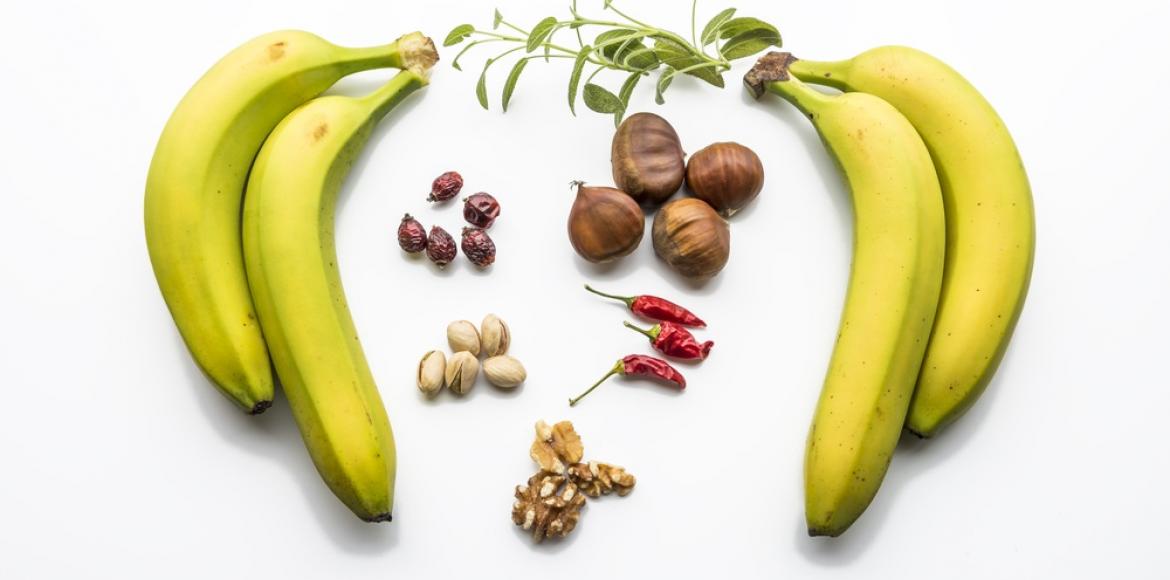
The WHO recommends that adults consume at least 3.5 g of potassium and less than 2 g of sodium (5 g of salt) per day. Foods rich in potassium include vegetables, fruits, nuts, beans, dairy products and fish. A 115 g banana contains 375 mg of potassium, 154 g of cooked salmon contains 780 mg and a 136 g potato contains 500 mg.
Read our file on sodium and potassium
The main sources of sodium in our diet are prepared meals and industrial products rich in salt as well as table salt.
These results are in line with what Doctor Michel de Lorgeril says: Heart attacks and strokes can be eradicated.
References:
O’Donnell MJ, Yusuf S, Mente A, Gao P, Mann JF, Teo K, McQueen M, Sleight P, Sharma AM, Dans A, Probstfield J, Schmieder RE. Urinary sodium and potassium excretion and risk of cardiovascular events. JAMA. 2011 Nov 23;306(20):2229-38.
Sun et al. Dietary potassium regulates vascular calcification and arterial stiffness. JCI insight. 2017.
Wouda et al. Sex-specific associations between potassium intake, blood pressure, and cardiovascular outcomes: the EPIC-Norfolk study. European Heart Journal. July 21, 2022.
-
Historical
-
Current version
04/28/2026 - 04/24/2026
- 02/19/2026
- on 11/23/2011