Exposure to Cadmium poses a real public health profile. But a study has shown that people who consume the most zinc have less cadmium in the blood.
In a letter addressed in June 2025 to the Prime Minister, liberal doctors expressed their great concern concerning the exposure of the population to Cadmium in France. What are the risks linked to cadmium and can we protect themselves from it?
Definition: What is cadmium?
Cadmium (CD) is a white-blue-blue metal which is part of the family of transition metals. Rarely found alone in its natural state, it is generally associated with other metals in minerals (lead, copper). It is mainly found in the form of chloride, oxide, sulfate, nitrate or sulfide. Like mercury and lead, cadmium belongs to heavy metals.
The physico-chemical properties of cadmium are close to those of calcium, which allows it to cross the biological barriers and to accumulate in the tissues. But cadmium does not have an essential function known for the human organism.
Food, environment … Where do you find cadmium?
Human activities reject cadmium in the environment.
The origins of cadmium and its use in industry and agriculture
Cadmium can come from metallurgy processes, the incineration of waste and phosphorus fertilizers. Its uses are numerous: anti -corrosion treatment of alloys, manufacture of plastics, rechargeable batteries, colors or electronic products (TV screens …) …
Anti-corrosion coatings: What is cadmiage?
Cadmiage is an electrolytic deposit of cadmium on a surface, in order to increase the holding of parts to corrosion. He is employed in the aeronautical industry.
Agricultural activities can also contribute to the presence of cadmium in the environment, due to certain fertilizers. Cadmium produced by industrial and agricultural activities is deposited in the soils. Absorbed by plants, it accumulates throughout the food chain. This is how he can find himself on our plates.
The consequences of cadmium pollution
Food represents a source of exposure to cadmium, around 30 µg/day.
Cadmium is a contaminating worrying for humans. According to the opinion and report of ANSES relating to the second study of total food (EAT2) published in June 2011 (1), the food exposure of people in France to Cadmium appears to be increasing compared to the previous study of total food (EAT1) published in 2004. According to the ANSES, an exceeding of the reference toxicological value is found in 0.6 % of adults and 15 % of children. “This indicates that a health risk cannot be ruled out”, concludes the health agency. To reduce the exposure of the population, ANSES already recommended in an opinion of November 2011 to act on the level of contamination of environmental sources, in particular in terms of inputs (contaminated fertilizers, spreading of purification station sludge …) partly at the origin of soil and food contamination.
Cadmium and cigarette
Cadmium is also present in cigarette smoke in the form of cadmium oxide particles. Cigarette smoke is therefore also a source of exposure to cadmium, a single cigarette can contain 1 to 3 µg.
Cadmium and cancer
Cadmium is considered to be a certain carcinogenic for humans according to the International Center for Research on Cancer (CIR), due to carcinogenic effects at the level of the lungs in exposed workers (2).
Cadmium has negative effects on renal fabric and excessive exposure is associated with increased risk of several cancers. There is a link between cadmium and pancreatic cancer.
In which foods do we find cadmium?
According to the magazine What to choose,, “Our tests have detected cadmium for a long time in many foods and everyday objects. This is for example the case of black teas or chocolates analyzed in recent years.”
In the study of French total food (EAT2) carried out by ANSES between 2006 and 2010, the strongest average cadmium contents are found in Shellfish, offal, cookies and chocolate. Majority food contributors to cadmium exposure are bread and potatoes, according to a government site.
A worrying situation in France
In their mail in June 2025, liberal doctors notably target phosphate fertilizers from Morocco and used in France. Children are particularly affected by this growing contamination.
How to eliminate cadmium in the body?
The human body does not have the means to eliminate excess cadmium. This problem is partly aggravated by the similarity of cadmium with zinc. “” Like zinc, cadmium induces the expression of metallothionein and links to this protein and it is this affinity which explains its toxicity and its low excretion, Explain the authors of the study that we are going to detail below. If exposure exceeds the capacities of metallothione to link cadmium, the concentration of free cadmium increases and the metal then becomes toxic.
Read: environmental cadmium would increase the risk of atherosclerosis
Zinc assets against cadmium poisoning
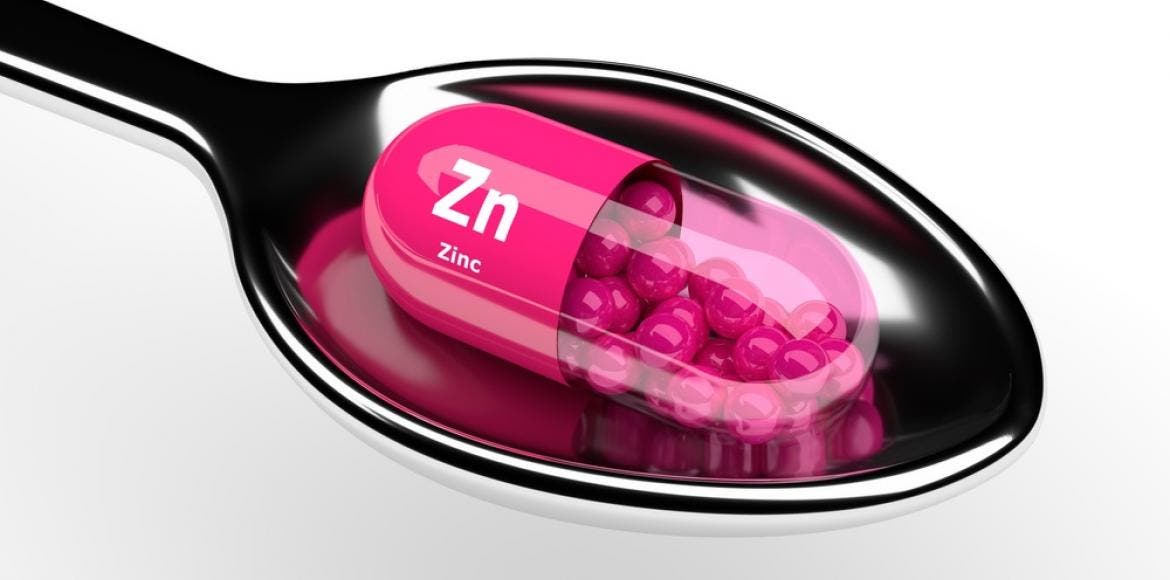
This study published in the Journal of Nutrition reports that zinc could help counter the negative effects of cadmium (3). Indeed, the researchers have noticed that those who have the highest zinc intake have the lowest cadmium concentrations in blood and urine.
Read: The lack of zinc promotes inflammation
There is evidence that cadmium toxicity is linked to its interference with zinc metabolism. “” Although we think that zinc intake can possibly modify the effects of exposure to cadmium, no study has, to our knowledge, studied the association between zinc contributions and exposure to cadmium in the American population Say the authors. Zinc is naturally present in protein -rich foods like meat and seafood, oysters being particularly rich in zinc.
Researchers used study data National Health and Nutrition Examination Survey Led between 2003 and 2012. Participants aged at least 20 years at the time of the survey responded to food questionnaires. Blood and urine samples have been collected. Cadmium concentrations in urine and blood were determined for around 6,500 participants. Zinc contributions – from food and/or supplements – were determined for 1,195 participants. “” Although cadmium tends to concentrate in the liver and in the kidney, blood concentration is a good indicator of recent exposure and the urinary concentration corresponds well to cumulative exposure and total body load ».
The results show that participants who have the highest zinc intake contributions have the lowest cadmium concentrations in the urine. The doses of zinc supplements as well as the duration of the supplementation are inversely associated with the concentration of cadmium in the blood. According to the authors, a 10 % increase in total zinc intake corresponds to a decrease of 0.42 % of blood and urinary cadmium concentrations.
These data indicate that High zinc contributions are associated with a reduction in recent or chronic cadmium exposure. “” However, we cannot say whether the reduction in the accumulation of cadmium obtained by zinc intake is significant from the point of view of public health and it will take more evidence to determine if these associations are causal »Conclude the authors.
Read also: The best sources of zinc
LANTRITION.fr lighting: How to avoid cadmium?
Cadmium is a toxic metal, widely disseminated in the environment. The main sources of contamination are phosphate fertilizers, the manufacturing of plastics (cadmium is used as stabilizing), their incineration, NICD batteries (hence the need to recycle them cleanly and not throw them away). The soil cadmium is preferentially captured by certain plants, including tobacco (which is why smokers have high cadmium levels), but also rice, cereals in general and potatoes. You can reduce exposure to cadmium by making sure to receive enough zinc, but also enough vitamin C, even if it means using supplements if you are very exposed.