
The abdominal fat, located in terms of belly, is associated with various health problems. How to get rid of it?
What is abdominal fat, visceral fat?
As the name suggests, the abdominal fat is lodged in the fabrics of the abdomen, in the belly. But is it synonymous with visceral fat?
Subcutaneous fat, visceral fat … The different types of fat in the body
Some fats are more visible than others. The subcutaneous fat, which lodges under the skin, may seem unsightly. Yet it is not necessarily the most harmful to health. There is another type of fat, much more dangerous: visceral fat, which “bathes” the organs of the abdominal cavity, such as liver, intestine, stomach. Some people of thin appearance may have a size higher than normal, characteristic of this location of the fat.
Ideally, to know the amount of visceral fat in the body, medical imaging (MRI) should be used. But as the amount of visceral fat is often linked to the amount of abdominal fat, you can more easily measure its waist in order to know its risk. The waist is a more reliable indicator than the body mass index (BMI) to assess the risk of mortality. However, abdominal fat can also be composed of subcutaneous fats, less harmful than visceral fats.
What causes abdominal fat?
Food is of course a major factor in the accumulation of abdominal fats. The consumption of sugary drinks has been associated with abdominal fats. In particular, foods containing fructose, sugar added by industrialists, increase visceral fat in obese or overweight.
The accumulation of abdominal fats can be linked to hormonal factors, especially in menopausal women. Other hormones like cortisol, stress hormone, can promote the accumulation of fats in the abdomen. Conversely, people with large amounts of visceral fats frequently have a decrease in their plasma testosterone and growth hormones.
The other factors increasing the risk of accumulation of visceral fat are: smoking, high blood pressure and certain coagulation disorders.
The risks associated with visceral fat
If the visceral fat does not necessarily pose to you of aesthetic concern, it is quite different for your health because the location of these fat cells is problematic. As Dr. Martine Cotinat, gastroenterologist, “This abdominal fat is the most harmful for the individual, because it produces-in a deceptive silence-a quantity of inflammatory molecules which can only do damage: cardiovascular diseases, diabetes, foie gras, reflux, polyps, sleep apnea, depression, memory disorders, cancers and so on … Complications. ”
American researchers have shown that visceral fats disrupt the quality of sleep.
Abdominal obesity
In 2020, a meta-analysis of 72 studies showed that the waist tower and the Tour de size/hunches tower ratio are associated with the mortality of all causes. “For each 10 cm increase in the waist, we found a risk of mortality all causes of 8 % and 12 % higher in men and women, respectively,” explain the authors.
Measuring the waist tower makes it possible to determine if you have abdominal obesity. The values retained by the researchers to determine abdominal obesity are a size tour greater than 88 centimeters for women and 102 centimeters for men.
Another indicator consists in measuring the tower tower ratio on a hip tower. For WHO, abdominal obesity is defined as a report greater than 0.85 in women and more than 0.9 in humans.
Cardiovascular diseases and abdominal fat
Visceral fat bathes the door that carries the blood of the intestines to the liver. In patients with excess visceral fat, fats will pass into this vein, hence concentrations of free fatty acids greater than normal, which has a negative impact on the risk of cardiovascular disease.
In addition, fat cells located between viscera release many substances, including cytokines like TNF (TUMOR NECROSIS Factor) or interleukin-6 that increases the risk of cardiovascular disease.
Insulin, diabetes and abdominal fat
Visceral fats increase the risk of insulin resistance and type 2 diabetes, as they lead to metabolic disorders: abdominal fats have increased metabolic activity, lipogenesis and lipolysis. Free fatty acids produced by lipolysis penetrate directly into the liver via the carrier vein and lead to an increase in the synthesis of lipids, gluconeogenesis and insulin resistance. This can cause Hyperlipidemia, glucose intolerance, hypertension and ultimately atherosclerosis. Excess free fatty acids can inhibit glucose absorption through skeletal muscles and cause peripheral resistance to insulin. In addition, according to Michelle Foster and Michael Pagliassotti, of the State University of Colorado, “A high flow of fatty acids to the liver also decreases insulin degradation. This leads to systemic hyperinsuline.”
Abdominal fats and foie gras disease
“Gras disease” (in English Non Alcoholic Fatty Liver Disease or NAFLD) is an infiltration of the liver by fat. This disease is linked to lifestyle and in particular overweight, abdominal obesity and resistance to insulin. In its severe form, called non -alcoholic or nash steatohepatitis, it is accompanied by fibrosis and can lead to cirrhosis and liver cancer.
Excessive accumulation of visceral fats has been associated with chronic systemic inflammation, hepatic steatosis and fibrosis, regardless of insulin resistance, incident NAFLD and the increase in cardiovascular risk.
Abdominal fats and cancer
Abdominal fat increases the risk of certain cancers because it releases proteins that promote the growth of cancer cells.
Food, sport … How to quickly lose belly and abdominal fat?
To find a flat stomach, it is advisable to associate food measures with sporting activity. In I want to lose bellyMartine Cotinat offers to focus her efforts on dinner, in what she calls “the evening diet”. Knowing how to manage your stress, sleeping well, are also assets to find the line.
Read: 7 tips for a flat stomach
Exercise to lose abdominal fat
Thanks to physical activity, it is possible to considerably reduce the accumulation of fat mass in the belly.
Losing visceral fats: experience on menopausal women
In an American study on 33 menopausal women with obesity, the participants were divided into three groups: the first had to reduce their ration of calories, the second practicing a physical activity consisting of an intense march at the rate of three sessions of 50 minutes per week and the last combined diet and sport. After 14 weeks of follow -up, the researchers found that if the women who had followed a diet had lost weight, Only those who had practiced physical activity, with or without diet, had seen their amount of visceral fat decrease. These results show that physical activity, accompanied or not of a diet, is essential to get rid of visceral fat.
What intensity of exercise practicing?
An intense activity seems necessary, as shown by several research. For example, in a study published in 2008, 27 obese women followed three different programs:
- without physical activity;
- low intensity training 5 days a week;
- A high intensity training 5 days a week.
After four months the researchers measured the amount of visceral fat lost: only women who have practiced intensive activity have lost visceral fat.
What foods burn abdominal fat?
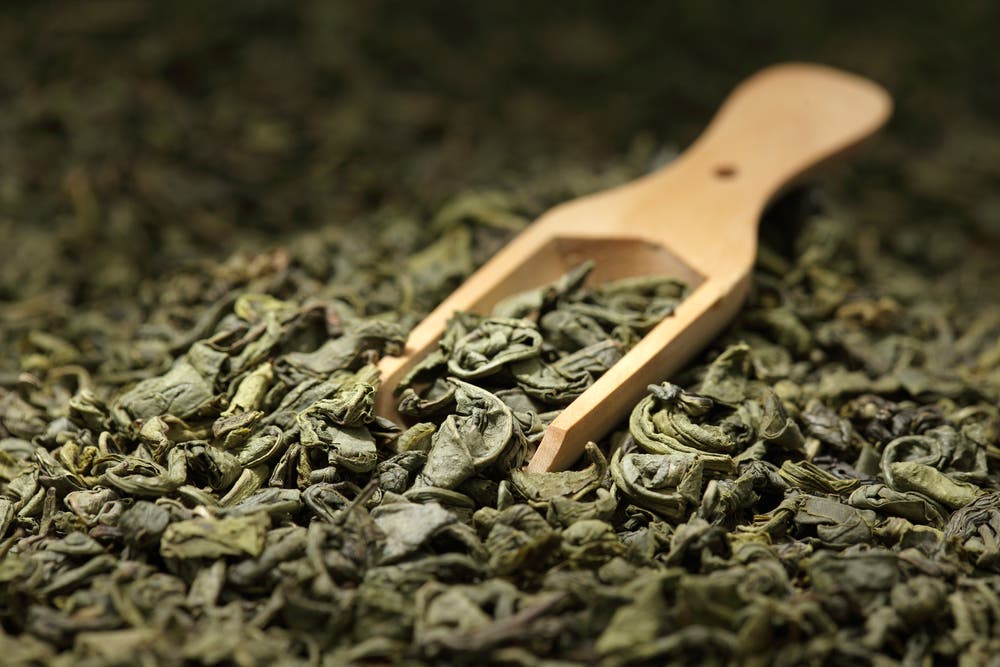
There is no miracle food to easily burn your fats and lose your belly as if by magic, as Martine Cotinat explains in I want to lose belly :: “Coffee and green tea are well known to be fat burners. They are generally used to potentiate fat during exercise. Be careful, the effects could be reversed at higher doses, and also aggravate reactivity to stress, sleep disorders … Do not dream by thinking that miracle foods will facilitate your approach, only the adequate nutritional modification, physical, can help you resolve your abdominal fat problem in the long term. “
Many slimming products contain caffeine or green tea because they stimulate thermogenesis.
Other foods are known to be fat burners, such as pineapple, due to the presence of bromelain, a mixture of enzymes. But these enzymes are rather proteases, which digest proteins.
Do not dream by thinking that miracle foods will facilitate your approach
Low carb diets to lose weight and lose belly
Reducing sugar consumption is a good measure to take. Several studies show that the diets that limit carbohydrates (low carb) help lose abdominal fat. For example, a study published in 2015 on 69 overweight or obese people has shown that a low -carbohydrate diet is more effective than a low fat diet to lose abdominal fat.
Among the low carb diets, the ketogenic diet, rich in fats, is recognized as a good way to lose weight. A meta-analysis of 2013 concluded that ketogenic type diets are more effective than low-fat diets for weight loss.
Likewise, protein -rich diets reduce the waist.
Read also: The prize list of slimming diets 2023 (subscribers)
However, if you limit carbohydrates, be sure to consume enough fibers. A study on more than 1,100 people has shown that by increasing its 10 g soluble fiber intake It was possible to reduce visceral fats by 3.7 %. Fibers feed the intestinal flora which is also your ally in weight loss. So prefer whole fruits to fruit juices, due to their fiber composition.
Intermittent fasting to eliminate abdominal fat?
Intermittent fasting can facilitate weight loss and visceral fats. But you still have to think about how to distribute your meals. For Martine Cotinat, “The simplest solution is to skip breakfast, but not everyone can hold without meals until lunch. For many people, it’s easier not to dine.” But, in this case, you will have to think about distributing your portions of vegetables differently over the day because “If you only consume vegetables on a single meal, at noon, you will not get the appropriate amount.” The only solutions available to you: add vegetables in the morning, increase the ration of vegetables at noon or transform snack into dinner.